 Whalesbook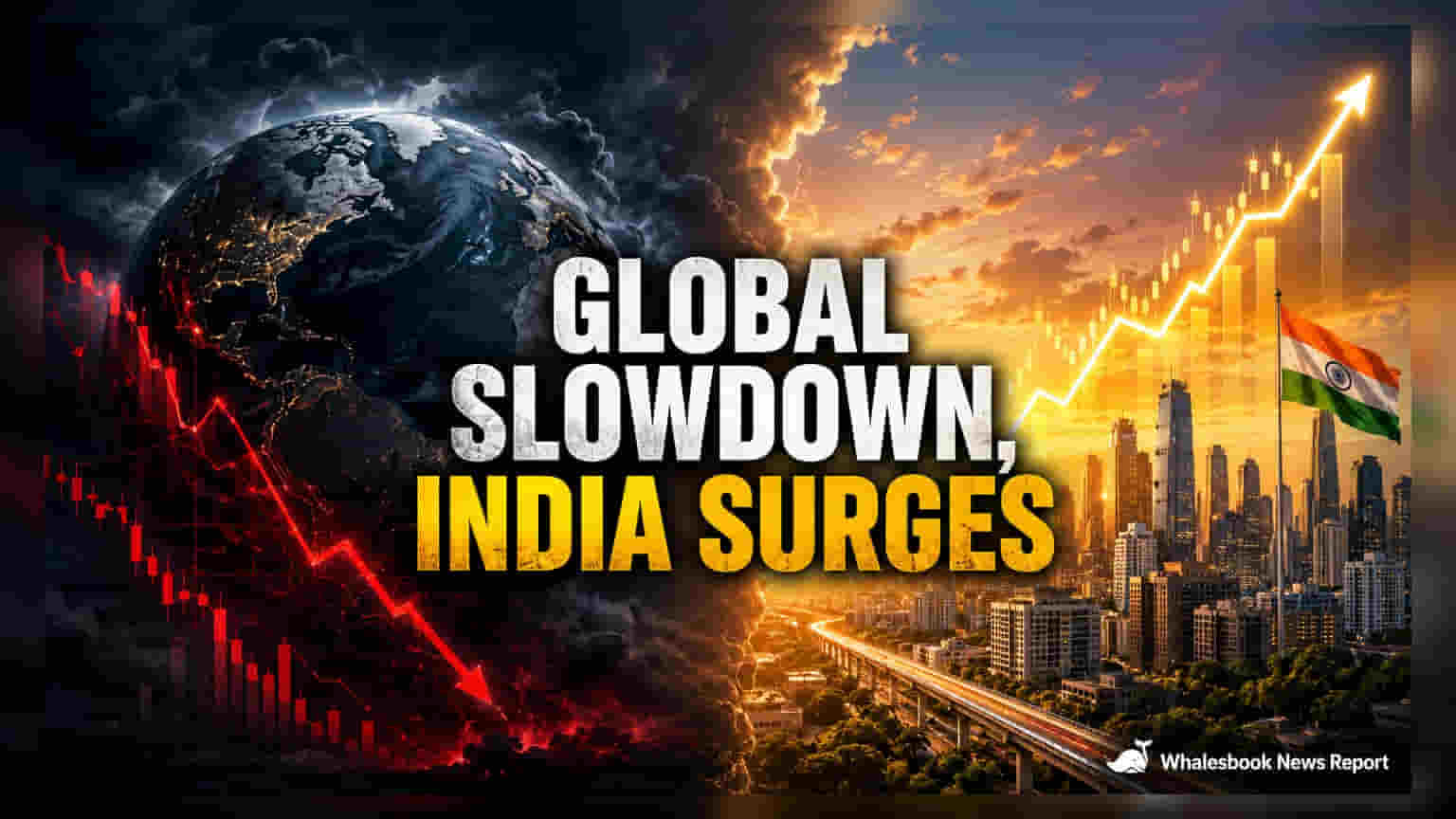


The Geopolitical Inflation Trap
The economic narrative has shifted from lingering pandemic recovery to a precarious energy-driven contraction. With the Strait of Hormuz effectively shuttered, the resulting bottleneck in global energy flows has replaced trade disputes as the primary driver of inflationary pressure. Data from global market monitors suggests that the logistical paralysis in this critical maritime corridor is creating a multi-front supply shock, impacting food and energy pricing models simultaneously. Unlike previous supply chain disruptions that responded to interest rate adjustments, this current crisis is structurally rooted in logistics and geopolitical risk, limiting the efficacy of traditional central bank intervention.
India’s Decoupling and Structural Alpha
While developed markets face the prospect of stagnant growth, India continues to exhibit a decoupling trend characterized by robust domestic capital expenditure. The reliance on internal consumption rather than export-heavy manufacturing provides a critical insulation layer against the slowing velocity of global trade. Investors are noting that India’s current growth trajectory is increasingly tied to long-cycle infrastructure projects and digital capacity building, which are less sensitive to short-term shipping disruptions than the highly globalized supply chains found in Southeast Asia. This shift suggests that the Indian market is transitioning from a high-beta emerging play to a defensive growth proxy, provided domestic policy remains stable.
The Forensic Bear Case
Despite the prevailing optimism, substantial risks remain for the Indian growth story. If the current regional conflict escalates to a wider confrontation, the relative insulation afforded by lower energy price exposure will vanish, potentially forcing the Reserve Bank of India into a difficult position regarding interest rate policy. Furthermore, India’s heavy reliance on imported oil makes it inherently vulnerable to sustained price spikes, regardless of its resilient domestic demand. Structural weaknesses in credit growth could also be exposed if high energy prices squeeze corporate margins for mid-cap firms, leading to a potential cooling in capital investment later in the year. The primary concern remains that the resilience seen today is predicated on a short-term view of a conflict that shows few signs of resolution.
Looking Ahead: The Policy Tightrope
Forward-looking sentiment indicates that while the global outlook remains bleak, capital flows are increasingly prioritizing jurisdictions that can sustain internal output amidst external shocks. Analysts expect that any further volatility in energy markets will be the primary catalyst for recalibrating growth forecasts for the coming fiscal year. The ability of the Indian government to continue its focus on infrastructure deployment without succumbing to fiscal slippage will be the key metric for institutional investors moving through the remainder of the calendar year.