

The Ministry of Coal has reduced the time required to operationalize coal blocks by 11 to 14 months to speed up domestic production. This policy change helps companies start generating revenue faster, potentially improving project returns. For investors, the key to success will be whether this can effectively bypass the traditional bottlenecks of land acquisition and mandatory statutory clearances.
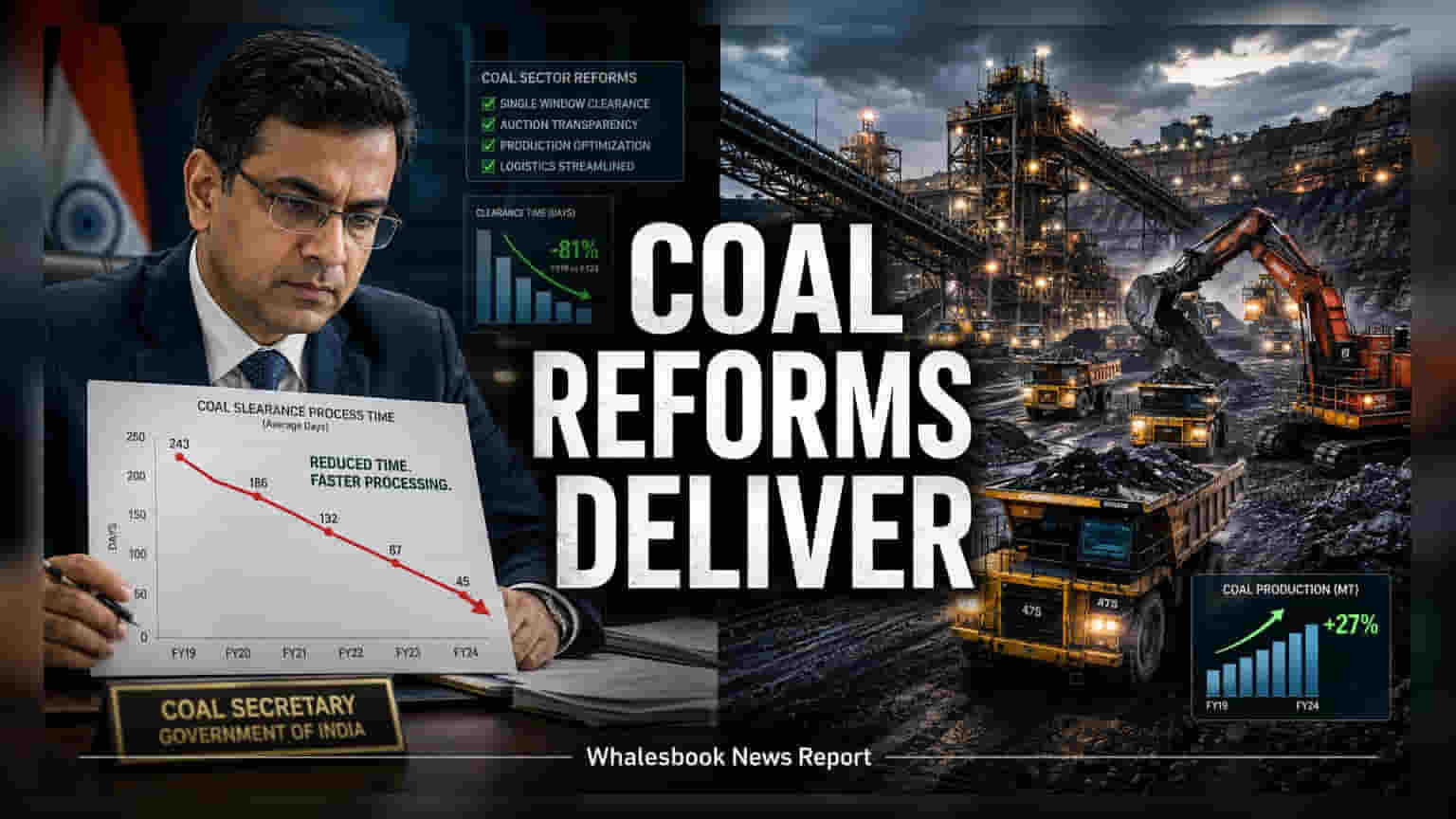
The Ministry of Coal has announced significant policy reforms to shorten the time it takes to bring coal mines into production. Coal Secretary Vikram Dev Dutt stated that the operationalization timeline for fully explored coal blocks has been reduced by 11 months, moving from 51 months down to 40 months. For partially explored blocks, the time has been cut by 14 months, dropping from 66 months to 52 months. This shift is part of a broader push to accelerate the development of the mining sector and boost domestic coal output.
Faster Revenue for Mining Companies
For investors, this news is primarily about capital efficiency. Mining is a capital-intensive industry that requires significant upfront spending on land, machinery, and infrastructure. By reducing the time it takes to get a mine running, companies can start generating revenue sooner. This effectively lowers the capital gestation period, which is the time a company spends waiting before its investment starts paying off. When mines become operational faster, it can improve the internal rate of return (IRR) for mining projects, which is a positive signal for the balance sheets of companies holding these blocks.
This policy update follows recent activity in the sector, including the successful conclusion of the 15th round of commercial coal mine auctions. Companies such as Gallantt Ispat, The Singareni Collieries Company, Qube Commercial Private Limited, and others that have recently secured blocks are the direct stakeholders in this new timeline. These captive and commercial mines have become vital to India’s energy strategy, currently accounting for about 20% of the country’s total coal production.
Execution Risks Remain Key
While the government has reduced administrative and regulatory timelines, investors should keep a close watch on ground-level execution. The most significant hurdles in the Indian mining sector have historically been land acquisition and the timely grant of environmental and forest clearances. A faster administrative approval process does not guarantee that companies will get physical possession of the land or final statutory clearances without delays.
If companies continue to face roadblocks in acquiring land or securing environmental approvals, the benefits of these shorter timelines may be muted. The sector also faces potential risks from global coal price volatility, which can impact the competitiveness of domestic coal against imports. Investors should track the progress of the newly auctioned blocks to see if these policy changes lead to faster project commissioning on the ground, or if the traditional on-site bottlenecks continue to slow down operations.