

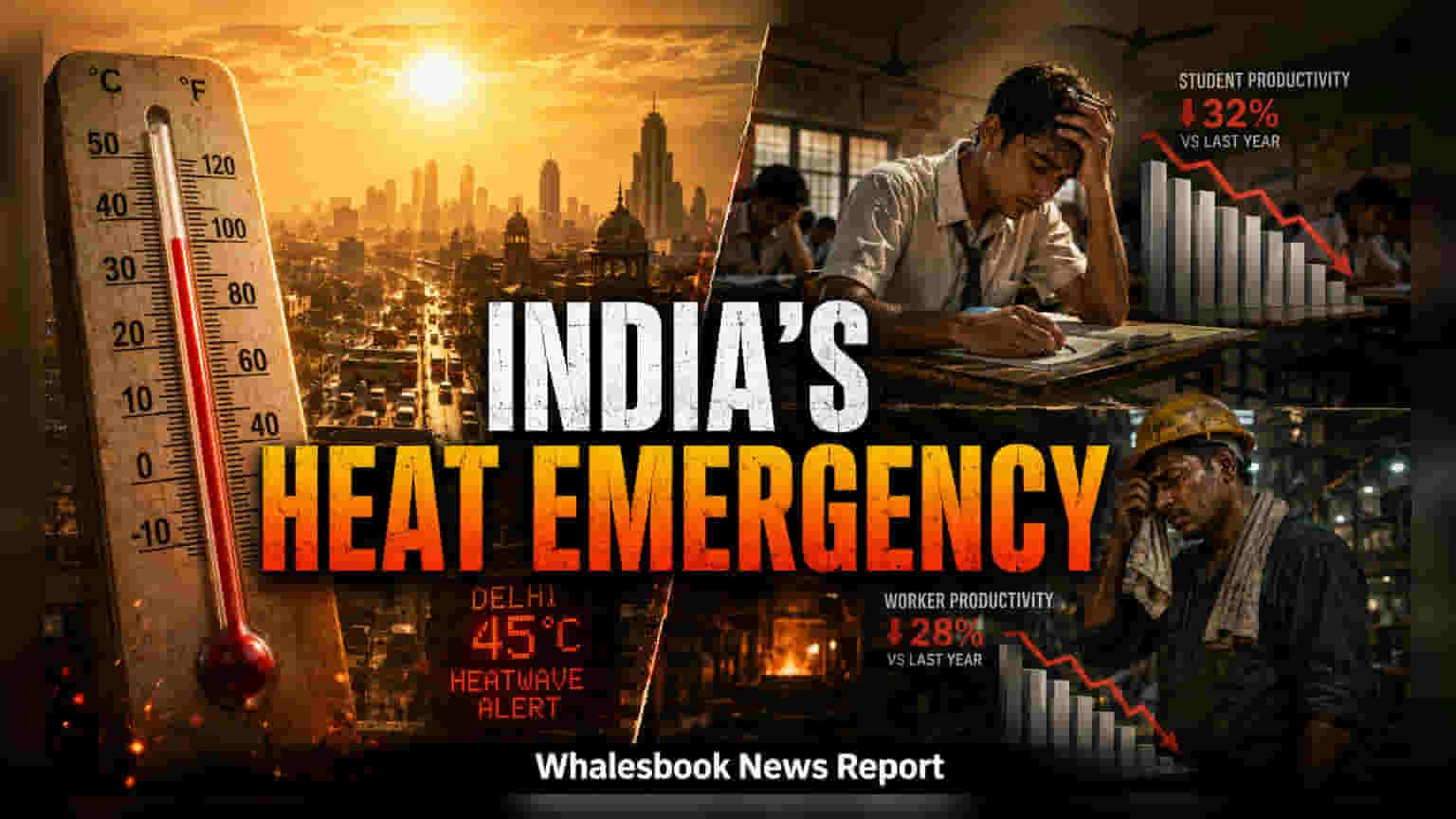
The Union Home Ministry has officially added heatwaves and lightning to the list of notified natural calamities under disaster response guidelines. This policy change, effective as of August 2026, allows states to access national and state disaster funds for heat-resilient infrastructure and relief measures. This move aims to mitigate the growing economic impact of extreme temperatures on labor productivity and public health.
The Union Home Ministry has taken a significant step toward addressing the rising economic and humanitarian costs of climate change by formally classifying heatwaves and lightning as natural calamities. Announced on August 4, 2026, this directive brings these events under the operational guidelines of the State Disaster Response Fund (SDRF) and the National Disaster Response Fund (NDRF). This change follows recommendations from the 16th Finance Commission for the 2026-31 period.
For investors and the economy, this is a material shift in policy. By enabling the use of disaster relief funds for mitigation, the government is effectively creating a new budgetary mandate for heat-resilient infrastructure. With approximately 57% of Indian districts currently classified as heat-prone, the ability to channel public funds toward heat-resistant building standards, cooling infrastructure, and disaster-resilient urban planning is expected to gain momentum.
Economic productivity has increasingly come under pressure as temperatures rise. Prolonged heat exposure impacts labor-intensive sectors such as construction, manufacturing, and agriculture, where extreme weather reduces physical stamina and operational efficiency. The government's new stance acknowledges that extreme heat is not just a seasonal health issue but a structural risk to national industrial output. By categorizing heatwaves as a disaster, authorities can now prioritize investments that protect human capital—a vital component of long-term economic growth.
From a sectoral perspective, this policy is likely to influence capital spending trends. The shift toward 'heat-resilient infrastructure' suggests a potential increase in government-tendered projects for smart urban planning, advanced building materials, and improved power grid stability to handle peak cooling loads. Companies involved in infrastructure, construction, and specialized engineering may see more specific demand for projects that incorporate heat-mitigation technology as states begin to deploy their disaster relief budgets.
The human cost has been notable, with official records indicating nearly 4,853 heatstroke cases and 20 fatalities between March and July 2026. Beyond the immediate health focus, the policy signals a proactive approach to stabilizing the economy against future climatic disruptions. Market participants may track how individual states allocate these newly accessible funds, as this will determine the speed and scale of implementation for cooling and mitigation projects across the country.