

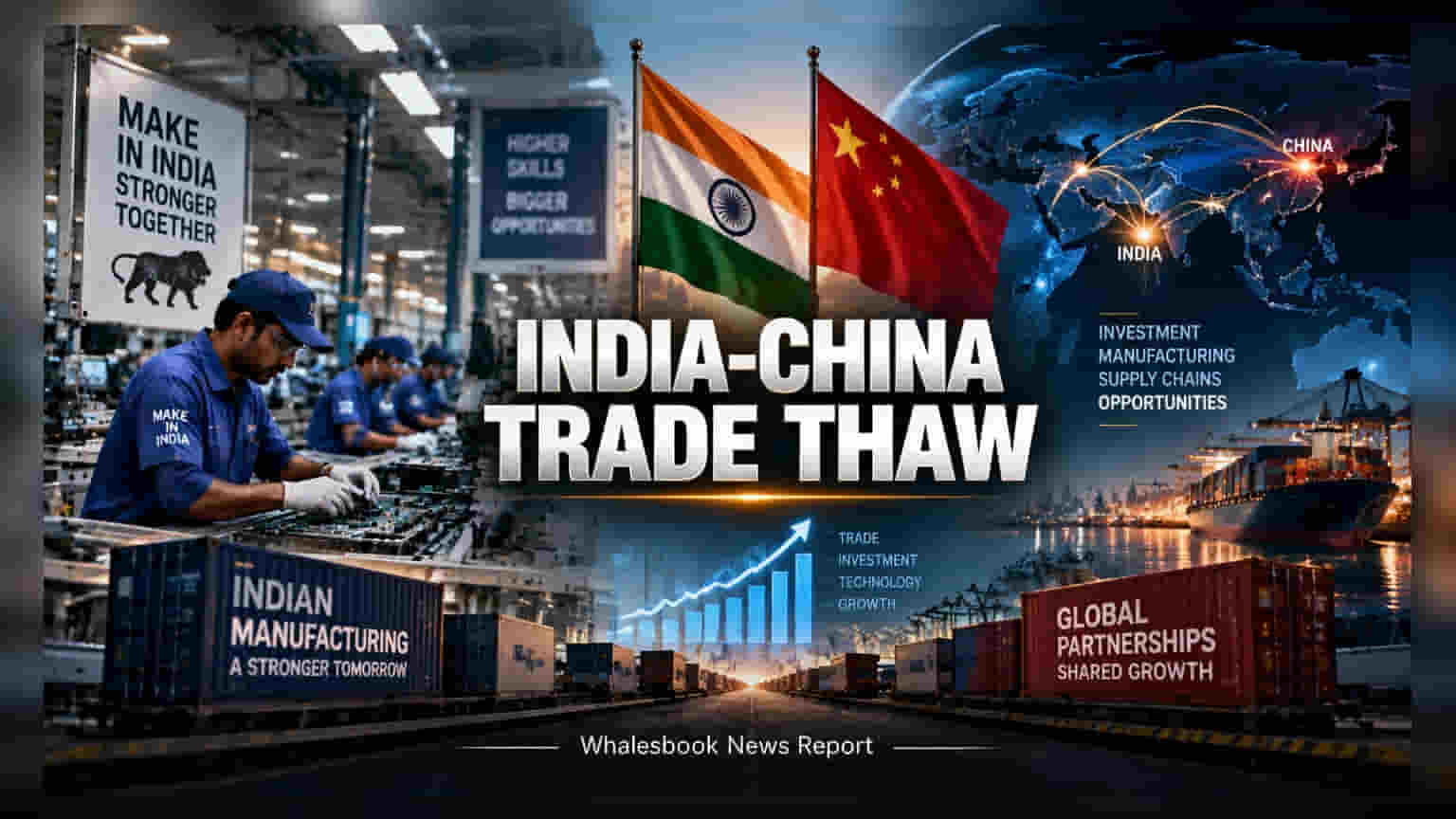
India is navigating a recalibrated economic approach with China, building on manufacturing-focused FDI rules introduced in March 2026. These changes allow faster project approvals in critical sectors like electronics and solar components. Investors should track how this impacts the nation's trade deficit and domestic supply chain integration.
As India and China engage in high-level diplomatic and trade discussions this September 2026, the focus for market observers is shifting toward a calibrated approach to bilateral economic ties. This development follows a significant policy shift implemented in March 2026, which eased foreign direct investment (FDI) regulations for Chinese entities to boost domestic manufacturing capabilities.
Impact on Manufacturing and FDI
The updated FDI framework allows for an expedited 60-day approval process for investments in critical sectors, specifically electronics, capital goods, and solar components. Additionally, the government has permitted up to 10% Chinese ownership in Indian companies through the automatic route, removing the need for mandatory government approvals in these specific instances. The goal is to integrate Chinese technical expertise and supply chain efficiencies into the 'Make in India' initiative, particularly as the country works to reduce its long-term reliance on imported components for high-tech manufacturing.
Economic Context and Trade Balance
While policymakers are seeking to attract investment, the macroeconomic reality remains complex. India reported a record trade deficit with China of $112.16 billion in the fiscal year 2025-26. This large gap between imports and exports is a key reason why the government maintains a cautious stance. Even with the current diplomatic thaw and the resumption of flight connectivity, the easing of investment rules is targeted. It is not an open-door policy but rather a strategic effort to balance the urgent need for manufacturing growth with national security and economic self-reliance.
Investor Monitorables and Risks
Investors evaluating sectors that rely on imported inputs—such as solar modules and consumer electronics—should monitor how quickly these new, expedited investment approvals materialize. If Chinese firms increase their footprint in India, it could lead to faster capacity expansion in domestic manufacturing plants. However, the investment climate remains sensitive to geopolitical shifts. Any resurgence in border tensions could quickly alter the regulatory stance, creating uncertainty for companies with significant Chinese partnerships or supply chains.
Furthermore, the long-term success of this policy pivot depends on whether it leads to genuine technology transfer and local value addition. Reliance on Chinese industrial inputs continues to be a strategic concern, and the ability of Indian manufacturers to eventually scale up without excessive dependence on these imports will be a crucial factor for long-term profit margins. Market participants will likely track upcoming project approvals and management commentary from companies operating in the electronics and renewable energy sectors to gauge the actual implementation of these policy changes.