

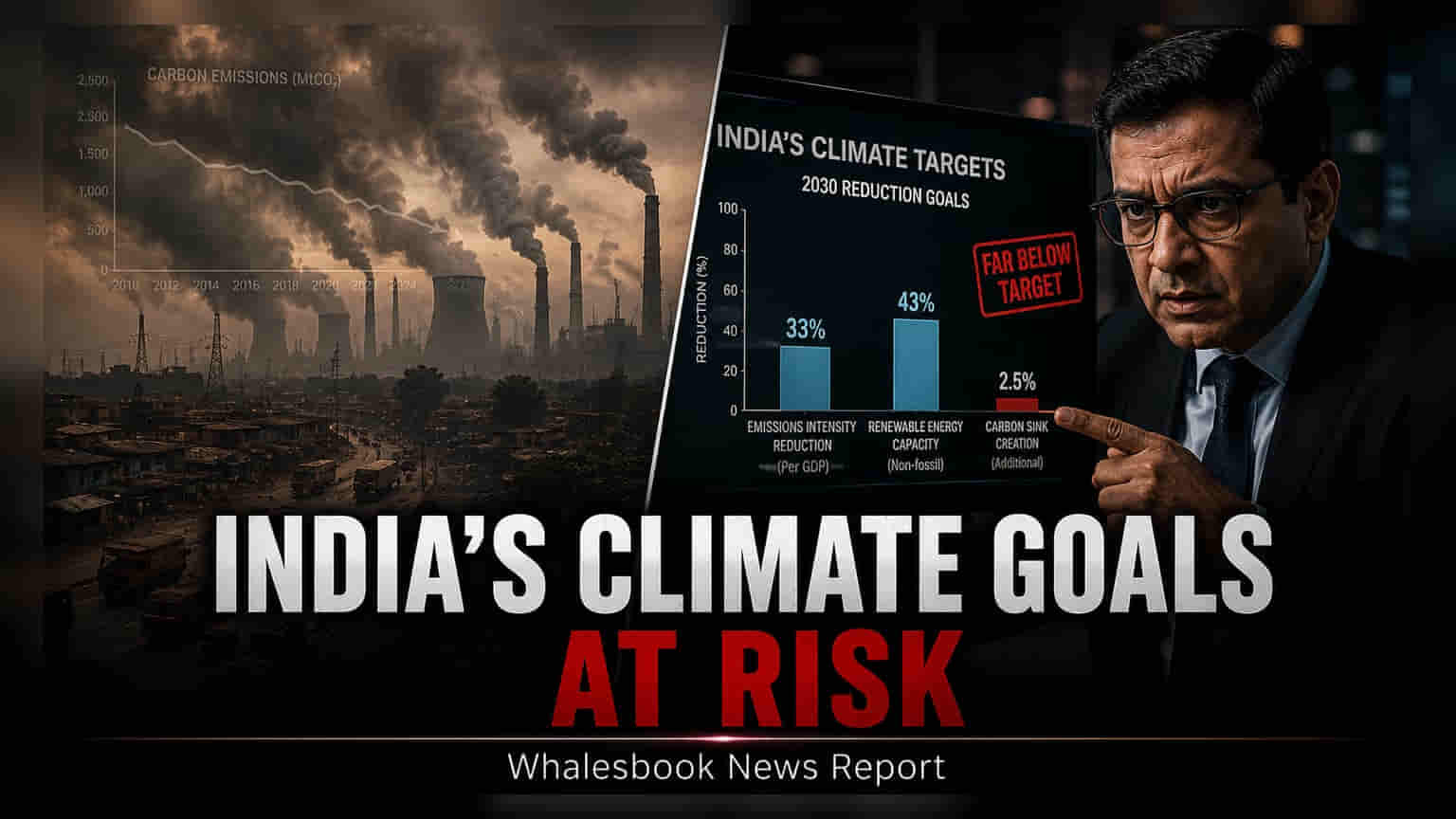
India’s Carbon Credit Trading Scheme faces criticism for modest emission reduction targets that may fail to drive deep industrial change. Analysts suggest low carbon prices could allow companies to simply pay for emissions rather than investing in cleaner technology.
India’s effort to build a domestic carbon market is facing scrutiny as a new report by Bengaluru-based Climate Risk Horizons suggests the proposed Greenhouse Gas Emission Intensity Target Rules may be too weak to curb industrial pollution effectively. The analysis highlights that the initial focus on sectors like iron, steel, cement, and aluminium relies on emission reduction goals that are easily met through minor operational tweaks rather than the heavy investment required for true decarbonisation.
Challenges in Emission Targets and Pricing
The report indicates that major players in the steel and cement industries might only face intensity reduction targets of 2-5 per cent by the 2026-27 period. Because these targets are based on emission intensity rather than absolute emissions, total pollution levels could still climb as industrial production expands. Furthermore, the analysis projects carbon credit prices could hover around $10 per tonne of carbon dioxide equivalent, a level significantly lower than many global trading systems. Investors may note that this low price, combined with potential financial penalties ranging from just 0.6 per cent to 7 per cent of annual profits for non-compliance, might make it more cost-effective for high-margin firms to simply pay the penalties rather than adopt greener technologies.
Power Sector Exclusion and Governance Concerns
A critical area of contention is the exclusion of the power sector from the mandatory compliance list. As this sector contributes approximately 55 per cent of India’s total greenhouse gas emissions, its absence from the primary framework significantly limits the reach of the carbon market. The report suggests that keeping the power sector under a voluntary mechanism dilutes the overall effectiveness of the scheme. Additionally, the analysis points to potential governance issues stemming from the government’s dual role as both the regulator and the operator in several covered sectors. This structure raises questions about competitive neutrality and has led to recommendations for a more independent regulatory framework, as well as the implementation of price floors to provide market stability.
Moving forward, the primary monitorable for investors and stakeholders will be whether the government adjusts these targets in future iterations or integrates the power sector to ensure more meaningful industry compliance. The evolution of the regulatory framework and the finalisation of price stability mechanisms will be key indicators of how this carbon market will influence the operational costs and capital spending priorities of India’s heavy industrial companies.