 Whalesbook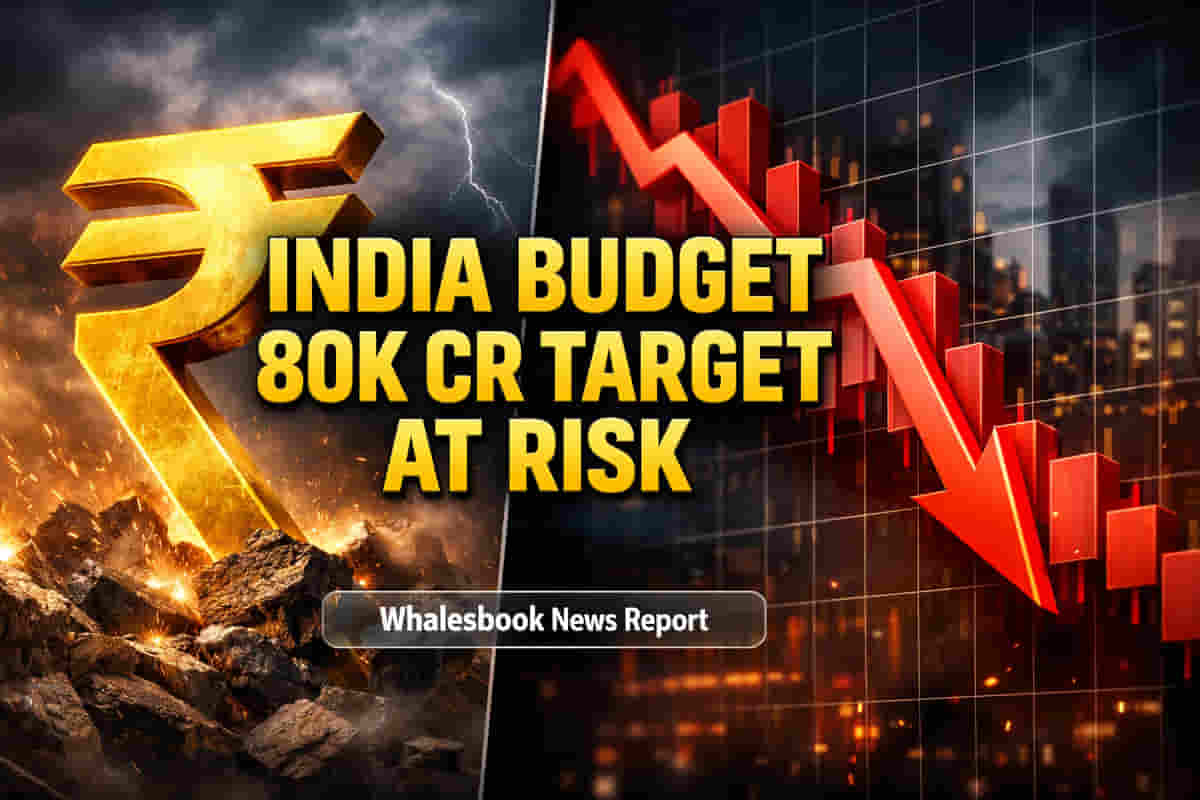
1. THE SEAMLESS LINK
The FY27 budget signals a strategic choice to anchor economic policy on macroeconomic stability and fiscal discipline, moving away from reliance on broad-based incentives. This approach aims to foster sustained growth by emphasizing continuity, predictability, and actionable policy implementation. The framework is built around growth acceleration, aspiration fulfillment, and inclusive development, reinforcing the government's commitment to its fiscal glide path and the quality of public spending.
2. THE STRUCTURE (The 'Smart Investor' Analysis)
Public Capital Expenditure as Growth Engine
The budget maintains public capital expenditure at Rs 12.2 lakh crore, accounting for 4.4 percent of GDP when including state grants for capital assets. This sustained investment underscores a deliberate preference for structural policy measures that build long-term capacity, rather than opting for short-term consumption stimulus. This focus is designed to drive productivity-led growth through enhancements in infrastructure, institutional capacity, and overall supply-side efficiency.
Manufacturing and Digital Sector Thrust
Initiatives supporting manufacturing and the "Make in India" campaign continue, with ongoing aid for sectors like electric vehicles, electronics, renewable energy, and defence. A strategic push towards semiconductors, rare earths, biosimilars, and clean technology aims to integrate India into global value chains. For digital entities, policy measures focus on strengthening digital public infrastructure, data platforms, skilling, and compute access, intended to expand the market for AI applications across industries.
Disinvestment Target Faces Headwinds
The FY27 disinvestment target is set at Rs 80,000 crore, a figure analysts suggest may encounter execution difficulties due to prevailing global headwinds, geopolitical uncertainties, and subdued domestic earnings visibility. While nominal GDP growth estimates around 10 percent lend support to fiscal credibility, any shortfall in disinvestment revenue could necessitate adjustments to spending plans or alternative revenue sourcing.
Market Reactions and Policy Rationalization
Investor sentiment registered a negative response to the increased Securities Transaction Tax (STT) within the futures and options segment. Conversely, the budget introduced measures intended to boost market confidence, including allowing non-residents to increase equity investments. A notable rationalization involves reducing the Tax Collected at Source (TCS) under the Liberalised Remittance Scheme for education and medical payments from 5 percent to 2 percent, and levying a flat 2 percent on overseas tour packages. These adjustments align with efforts to reduce compliance friction for globally mobile individuals. Consumption-centric measures appear deliberately restrained, suggesting an expectation that prior fiscal and monetary actions will continue to transmit through the economy.
3. THE FUTURE OUTLOOK
The budget's emphasis on structural reforms, productivity enhancement, and fiscal prudence is designed to lay the groundwork for sustained economic expansion. The commitment to public capital expenditure and sector-specific initiatives signals a long-term vision for India's industrial and digital capabilities. However, the successful realization of fiscal targets will depend significantly on navigating external economic conditions and effectively executing disinvestment plans.