

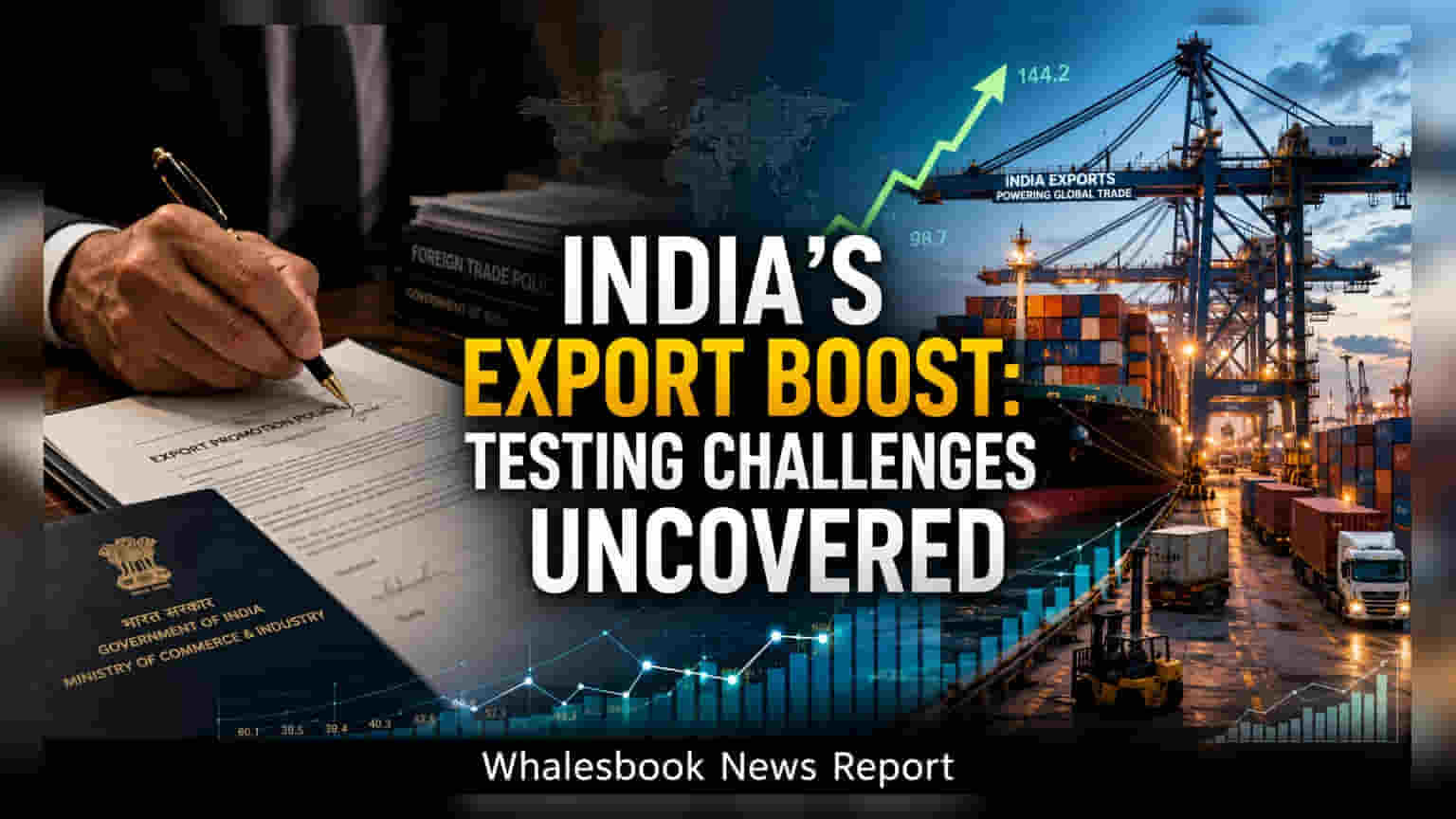
The Commerce Ministry is reviewing India’s testing and certification infrastructure to help domestic exporters meet the strict quality standards required by new Free Trade Agreements (FTAs). This strategic move aims to ensure businesses can fully utilize tariff cuts in global markets like the EU and EFTA. By upgrading laboratory capacity and regulatory alignment, the government seeks to improve the competitiveness of Indian goods in international trade.
The Indian Commerce Ministry has launched a nationwide review to identify gaps in the country’s testing, certification, and accreditation framework. The initiative is a direct response to the need for a stronger quality ecosystem as India expands its network of Free Trade Agreements (FTAs) with major economies, including recent and ongoing negotiations with partners like the EU, the UK, and EFTA nations.
While FTAs provide Indian exporters with lower tariff rates in partner markets, these benefits are only accessible if goods meet the specific quality and technical standards of the importing country. Government officials have noted that without a robust domestic testing and certification network, exporters often struggle to prove compliance, which limits the potential of these trade deals.
Scaling Quality Infrastructure for Global Trade
The government is currently engaging with industry associations to gather feedback on real-world challenges, such as the availability of advanced laboratories, the ease of obtaining international accreditations, and the cost of compliance. The goal is to move beyond simply signing trade agreements and ensure that Indian businesses are physically and technically equipped to enter these markets. By strengthening local testing infrastructure, the government aims to reduce the current reliance on overseas testing facilities, which can be both costly and time-consuming for domestic manufacturers.
This policy assessment comes against a backdrop of steady export growth. For the April–June 2026 quarter, India’s total merchandise and services exports reached approximately USD 232.73 billion, marking an 11.37% growth compared to the previous year. Additionally, exports from Special Economic Zones (SEZs) have performed well, contributing USD 185.28 billion in fiscal year 2025-26, an 11.8% year-on-year increase. Despite these numbers, policymakers emphasize that sustaining this growth requires integrating more deeply into global value chains, which is impossible without meeting global quality benchmarks.
Challenges and Investor Considerations
While the push for better infrastructure is a positive step for long-term export competitiveness, the strategy faces hurdles. Historical data shows that some past trade agreements—such as those with ASEAN, Japan, and South Korea—have occasionally led to import-driven trade deficits rather than the intended balanced export growth. For investors and businesses, the ability of domestic manufacturers to navigate these risks depends on whether they can achieve cost-efficient scale while meeting strict international quality norms.
For smaller manufacturers, the regulatory burden remains a significant barrier. Aligning with international standards often requires capital investment that can be difficult for smaller firms to absorb. The success of this government initiative will depend on how effectively it addresses these specific bottlenecks through future policy interventions and support for laboratory capacity expansion. Investors and sector analysts will be tracking the resulting policy changes and their impact on the ease of doing business for export-oriented sectors in the coming quarters.