

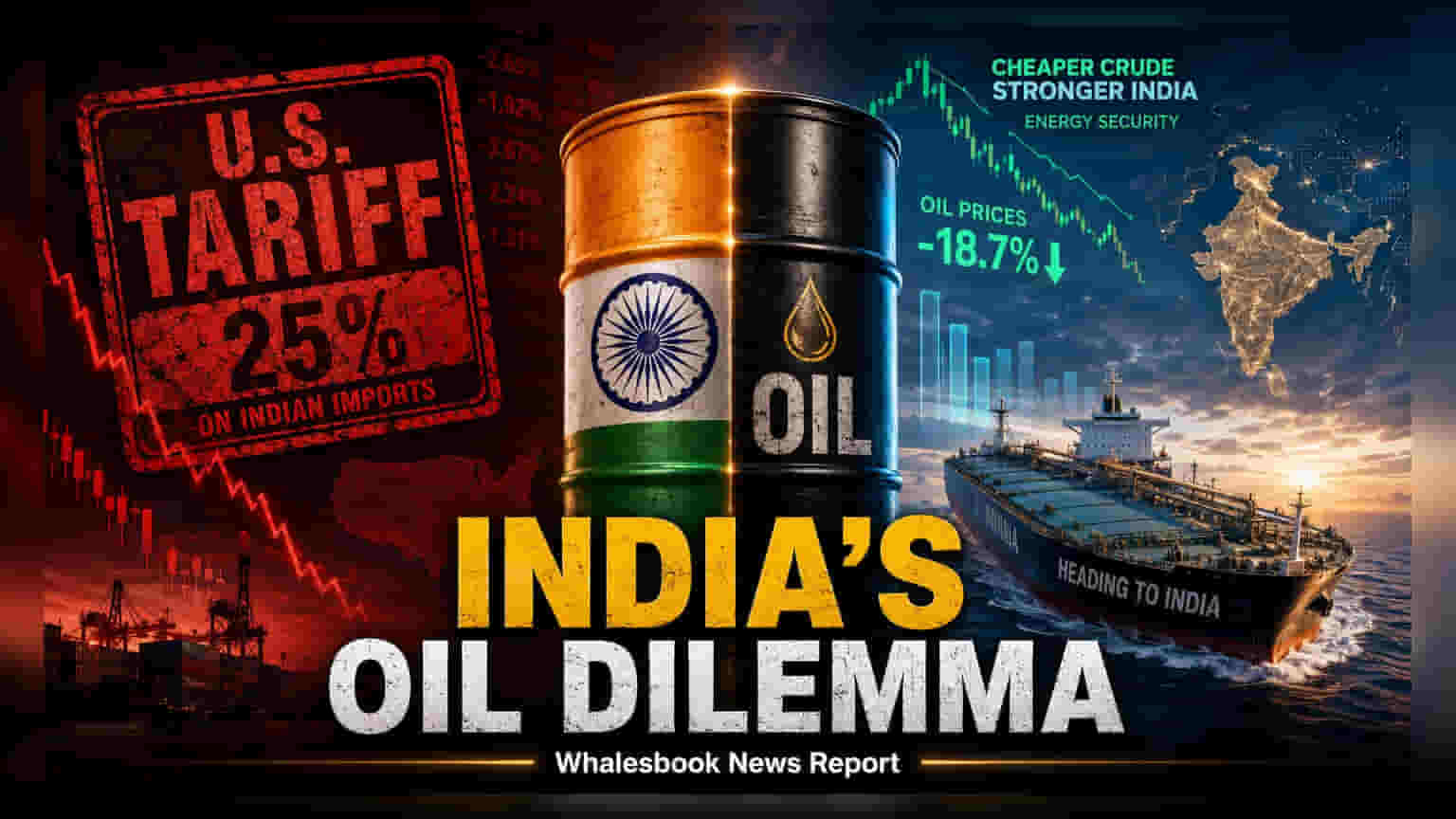
A report from the Global Trade Research Initiative (GTRI) suggests India should keep importing Russian crude oil to protect economic interests. This comes as the US considers a sanctions bill that could impose tariffs of up to 100% on countries buying Russian oil. India, which sourced 30.3% of its oil from Russia in fiscal year 2026, must now weigh energy security against potential diplomatic pressure.
The Global Trade Research Initiative (GTRI) has recommended that India maintain its current strategy for importing crude oil, even as the United States considers legislative action that could introduce new tariffs on countries purchasing Russian energy. This guidance highlights the complex balance India faces between maintaining affordable energy supplies and navigating shifting international trade policies.
Impact on India’s Import Bill
Russia has become an essential partner for India's energy needs. In the 2026 fiscal year, data indicates that Russia accounted for 30.3% of India's total crude oil imports. This supply was valued at approximately $40.8 billion out of India's total import expenditure of $134.7 billion for the year. Access to these supplies at discounted rates has played a direct role in lowering India’s total import bill, which in turn helps in managing domestic inflation and supporting energy security.
Navigating Proposed US Legislation
The US Senate has advanced a sanctions bill that could theoretically allow for tariffs as high as 100% on nations that continue to purchase Russian oil. While the proposed legislation creates a potential risk for importers like India, the GTRI advises that New Delhi should rely on diplomatic dialogue to address concerns with Washington rather than making immediate, unilateral concessions. The think tank emphasizes that India’s procurement decisions should continue to be guided by national economic interest and strategic autonomy.
Energy Security vs. Global Pressures
For Indian investors, the energy sector remains a critical monitorable. Reliance on discounted crude has been a key factor in improving the refining margins of major Indian oil companies. Any sudden change in supply sources due to international sanctions could lead to increased procurement costs, potentially impacting these margins. Additionally, the broader energy sector is sensitive to geopolitical tensions, which can influence global crude prices and the Indian Rupee's performance against the US Dollar.
Looking ahead, the primary areas for market participants to watch include official government statements regarding the US sanctions bill and any shifts in the volume of Russian oil reaching Indian refineries. Investors may also track how Indian refiners manage their supply chains if global trade regulations tighten, as the commercial viability of imports remains the most important factor for the country’s energy-related financial stability.