

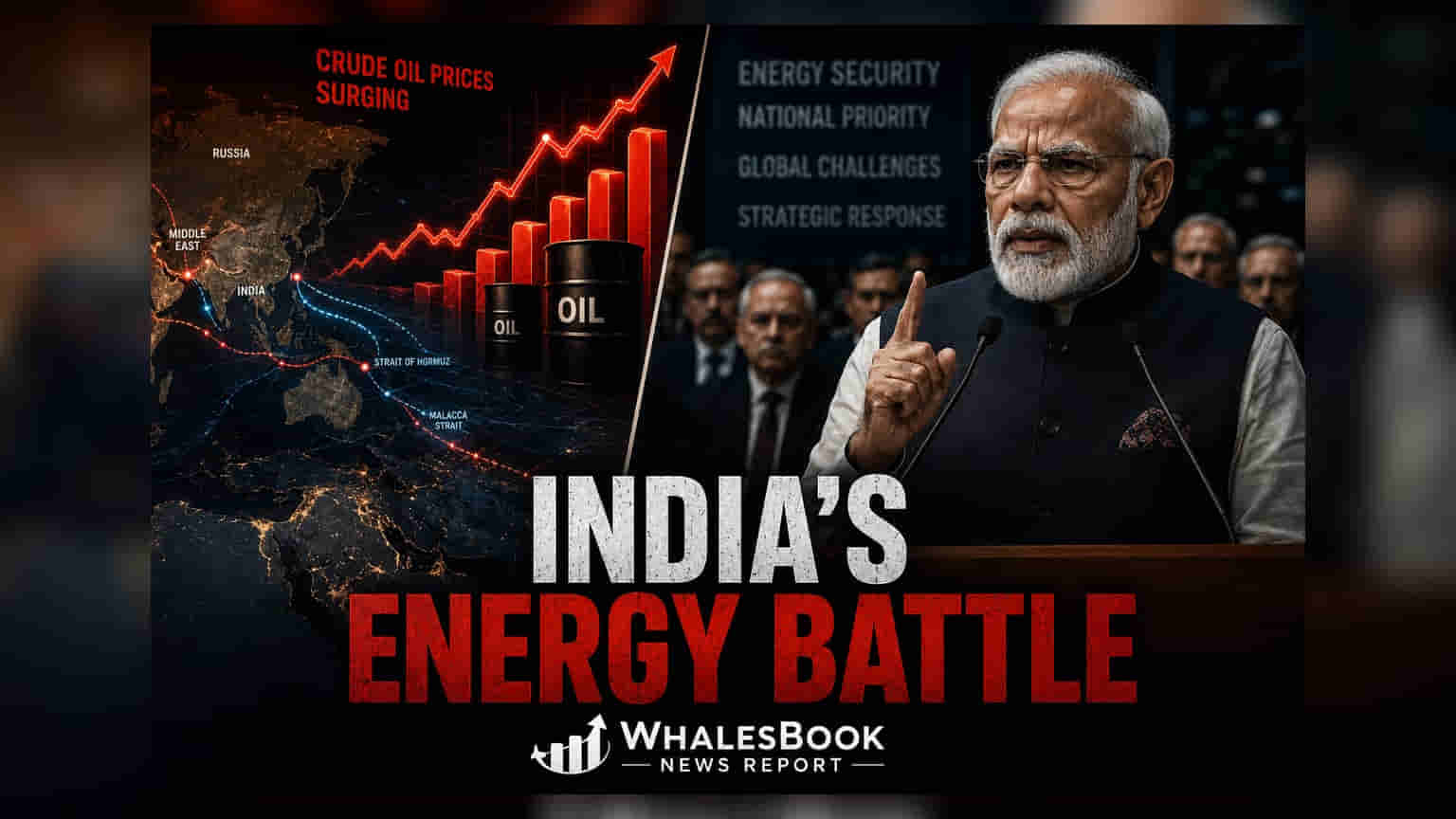
India has diversified its crude oil import sources to include Venezuela and Brazil following supply disruptions linked to the U.S.-Iran conflict. While the government secured critical waivers to maintain energy flow, the increased costs for fuel and LPG highlight the persistent economic pressure from global oil price volatility.
As of July 2026, India's energy sector remains in a state of adjustment as the nation navigates the ripple effects of the ongoing geopolitical conflict involving the United States, Israel, and Iran. The government has prioritized maintaining consistent supply chains for crude oil, moving to secure alternative sources after traditional trade routes in the Middle East faced significant disruption. By expanding its import basket to include countries like Venezuela and Brazil, India has aimed to reduce its heavy reliance on a single region for energy security.
Economic Impact and Energy Security
The strategic shift in procurement has helped prevent severe energy shortages, but it has not come without economic trade-offs for domestic consumers. The procurement of crude oil from diverse and often more distant markets has contributed to elevated fuel prices. For households and transport sectors, this has translated into higher costs for petrol and LPG cylinders. Investors often look at these trends as indicators of potential inflationary pressure, as higher energy costs tend to increase operational expenses for manufacturing and logistics companies, which can impact profit margins across various industries.
Geopolitical Shifts and Diplomatic Strategy
Beyond the immediate logistical efforts, India's diplomatic maneuvering during this crisis has drawn international attention. The government's measured response to escalations in the Middle East, including the death of the Iranian Supreme Leader in a joint U.S.-Israel operation and the safety of Indian sailors in the Strait of Hormuz, reflects a delicate balancing act. While the administration has emphasized the importance of safeguarding national interests and ensuring energy security, the perceived alignment with Western and Israeli positions has sparked debate regarding India's future diplomatic leverage in the region.
For investors, the situation underscores the risk of relying on global energy markets that are increasingly tied to volatile geopolitical events. The ability of the Indian government to continue securing oil waivers and maintaining stable trade relations will remain a critical monitorable. Looking ahead, stakeholders will likely focus on whether these higher energy costs persist or if domestic efforts to boost energy efficiency and diversify fuel sources can mitigate the impact on industrial profitability and inflation levels. Further updates on oil procurement agreements and domestic fuel pricing policies will provide clearer signals on how the nation plans to manage these sustained external pressures.