

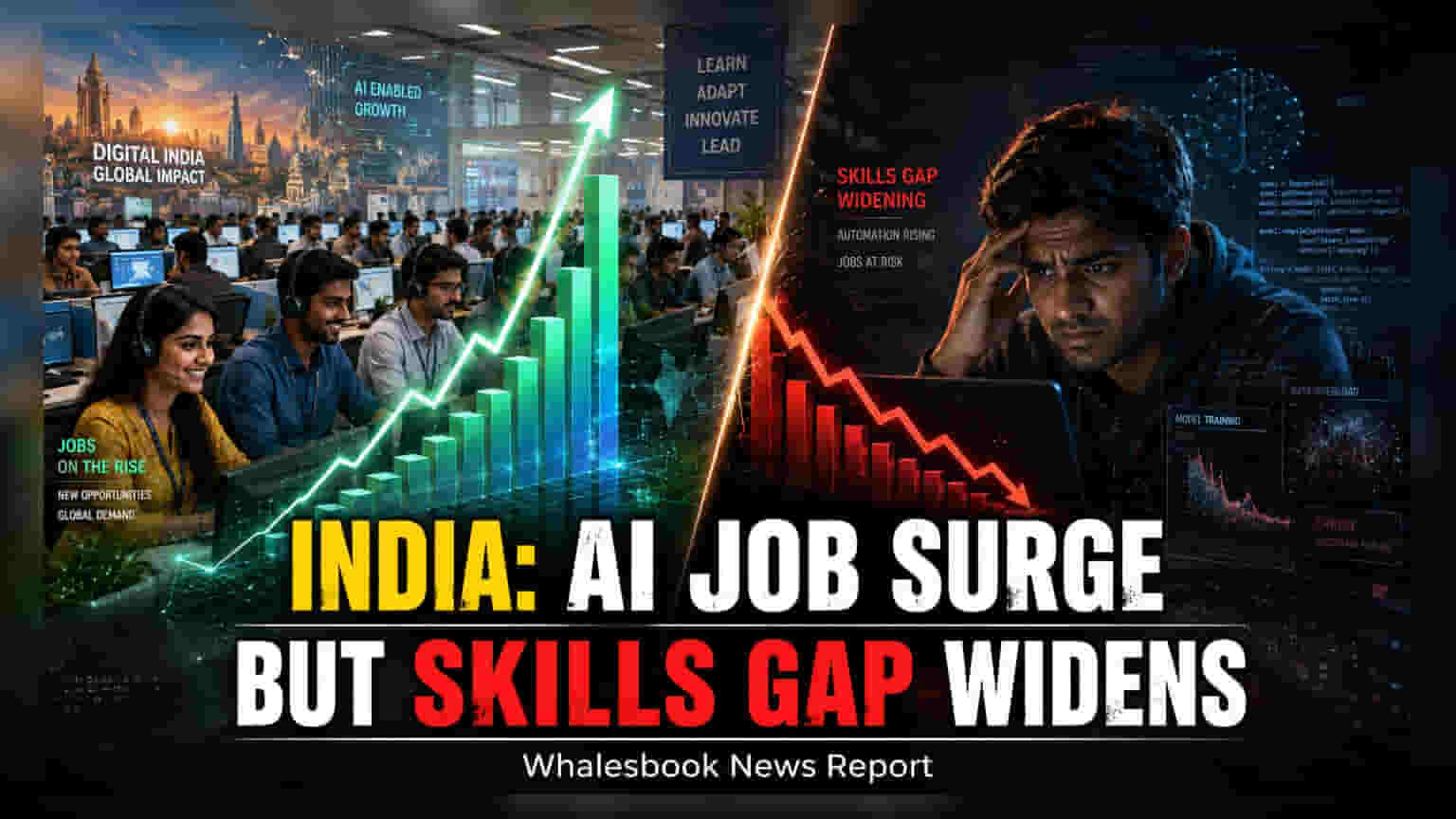
A Nomura report shows India created 83,100 AI-related jobs against 31,921 losses between 2022 and August 2026. While this 2.6-to-1 ratio signals positive growth, the data highlights a shift toward specialized technical roles, which may reduce entry-level job opportunities for graduates and create a skills gap.
Artificial intelligence is changing the nature of employment in India, with the latest analysis from Nomura providing a clear picture of this transition. Between 2022 and August 2026, the report tracked 69 AI-related employment cases across Asia and found that India recorded 83,100 new AI-related hires compared to 31,921 job losses due to automation and attrition. This reflects a hiring ratio of 2.6-to-1, suggesting that AI is creating more roles than it is removing in the current environment.
Why The Job Nature Is Changing
The job growth is not happening across all levels. The decline in positions is largely concentrated in routine tasks such as customer support, data entry, and basic processing, where companies are increasingly using chatbots and automated systems. Conversely, the new roles being created are highly technical. Companies are seeking graduates and professionals specifically for AI-related projects, such as building and managing these smart systems. This shift means that the total number of jobs might increase, but the type of work required is moving from simple, repeatable tasks to complex, specialized technical development.
The Risk Of A Two-Tier Labor Market
While the headline numbers show more hiring than firing, this masks a structural problem. The report identifies the emergence of a two-tier labor market, particularly in the technology services sector. In this setup, experienced professionals with AI skills are in high demand and command higher pay, while entry-level roles—historically the starting point for thousands of Indian IT graduates—are becoming scarce due to automation. This creates a difficult situation for young job seekers. Even though new positions are opening, those who have lost their jobs in support roles often lack the specific advanced degrees or technical training needed to fill the new AI-centric vacancies. This mismatch between existing skills and the needs of the new economy is a major challenge for the workforce.
What Investors Should Monitor
For investors observing the IT and technology services sector, the financial impact of this trend is significant. Companies are shifting their hiring strategy to focus on quality and specialization, which could alter profit margins as the need for massive entry-level recruitment decreases. However, the reliance on highly skilled, specialized talent could drive up wage costs for senior and expert roles. The key factor to track in the coming quarters will be how companies balance their cost structures and how effectively they manage reskilling programs for their existing employees. If the skills gap widens, it may lead to higher recruitment costs for specialized talent and pressure on companies to invest more in training to bridge the gap between their current staff and future needs.