

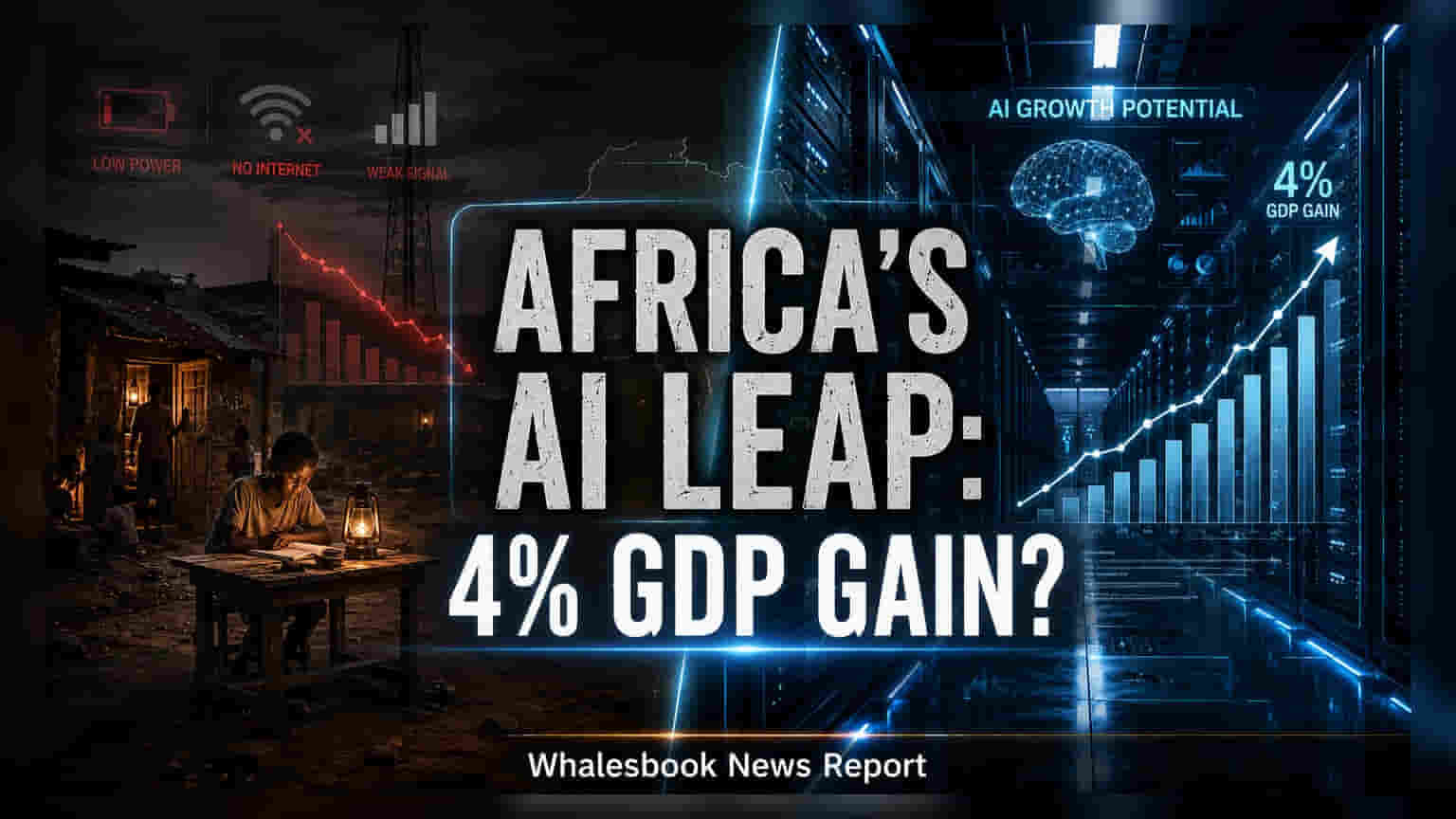
The IMF estimates that AI could lift Sub-Saharan Africa's GDP by 4% over the next decade. However, this growth depends on fixing major gaps in electricity access, internet connectivity, and digital infrastructure.
Artificial intelligence could act as a major engine for economic growth in Sub-Saharan Africa, according to recent findings from the International Monetary Fund (IMF). The report highlights that AI has the potential to boost the region's productivity and overall GDP by as much as 4% over the next ten years. For investors and businesses operating in or looking toward African markets, this projection highlights both the long-term opportunity and the structural hurdles that must be cleared first.
Infrastructure Hurdles Limit AI Adoption
While the potential for growth is high, the IMF notes that Sub-Saharan Africa currently ranks as the least prepared region globally for widespread AI integration. The most pressing bottleneck is the lack of reliable energy. Nearly half of the population in the region lacks stable access to electricity, a necessity for powering the data centers and computing hardware required for AI development. Without stable power grids, the ability to deploy AI-based services at scale remains significantly limited.
Connectivity and Digital Access Gap
Beyond energy, internet penetration remains a primary concern. Data from 2024 shows that only 38% of the population in Africa had internet access, significantly trailing the global average of 68%. This digital divide makes it difficult for businesses and individuals to access cloud-based AI tools, online learning, and digital marketplaces. To bridge this gap, the report emphasizes the need for expanded fibre-optic networks and lower broadband costs. Currently, the concentration of digital infrastructure is heavily focused in a few countries, such as South Africa, Nigeria, and Kenya, which host the majority of the region's 160 data centers. This concentration carries the risk of widening economic inequality if smaller or less developed nations are left behind.
Policy Decisions and Economic Impact
The economic impact of AI will be determined more by policy and infrastructure investment than by the technology itself. Under current conditions, the IMF projects a modest productivity increase of only 0.2% and a 0.4% cumulative GDP gain over the next decade. However, if governments successfully prioritize investments in electricity, broadband, and digital skills, that impact could rise significantly to a 2.1% productivity gain, leading to the projected 4% increase in GDP. Investors tracking this development will likely monitor government commitments toward digital infrastructure, improvements in regional power capacity, and initiatives to address the local shortage of AI engineers and data science talent.