 Whalesbook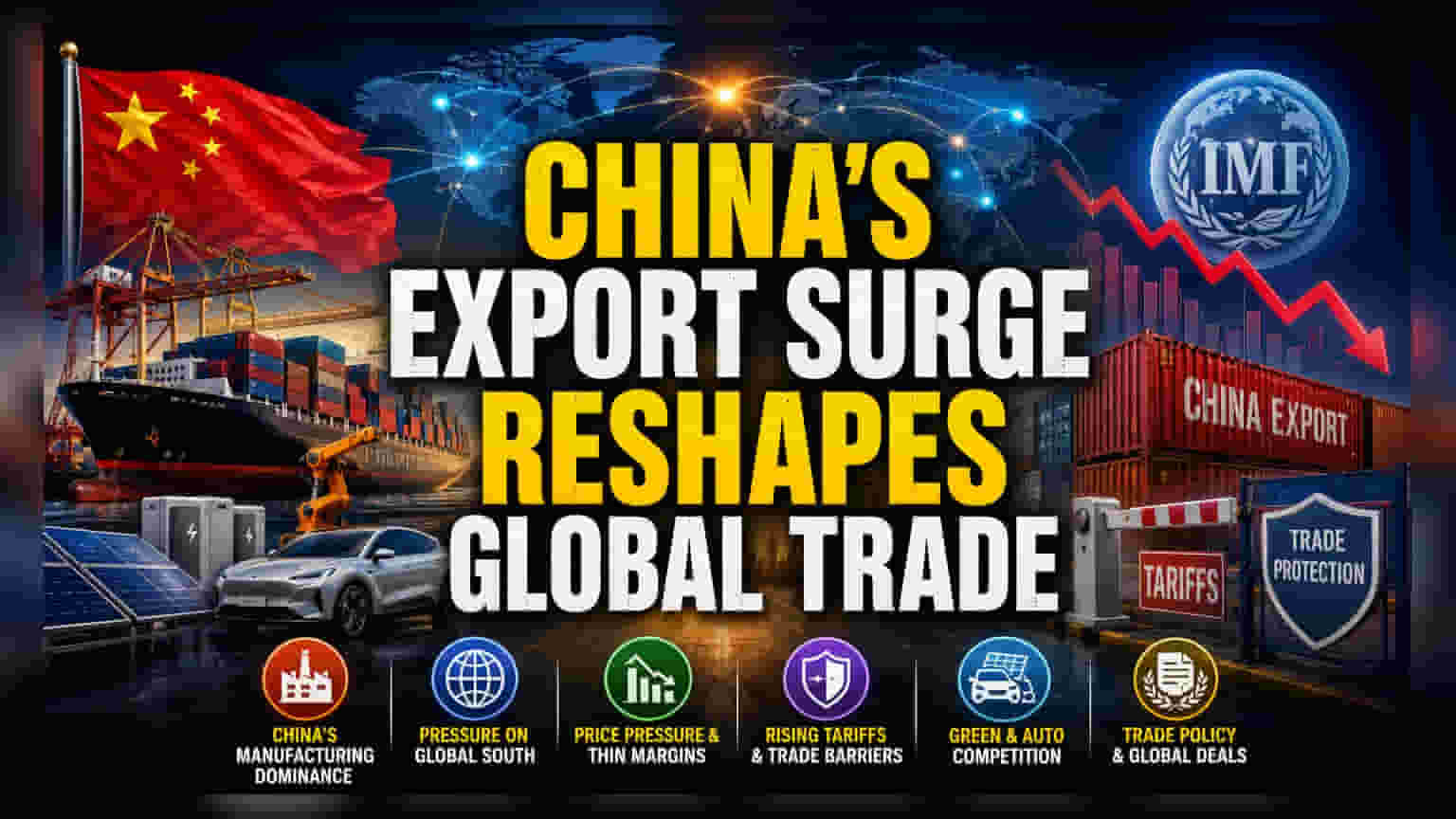


The International Monetary Fund has analyzed how China’s heavy focus on manufacturing exports is reshaping the global economy. By prioritizing the export of goods like electric vehicles and solar panels while limiting imports, China's current model presents unique challenges for developing nations trying to grow their own industries. With China dealing with internal economic issues like weak consumer demand and a property market slump, emerging economies are now navigating a complex global trade environment.
What Happened
The International Monetary Fund (IMF) has released insights regarding the current state of global trade, highlighting a shift in how major economies interact. The report points to China’s aggressive manufacturing strategy, which focuses on producing large volumes of goods, including high-tech items like electric vehicles, batteries, and solar panels. According to the IMF, this approach is fundamentally different from the historical patterns seen in Western nations. While these economies previously encouraged global trade by importing more as they developed, China’s current model focuses heavily on exports while keeping its import levels relatively low.
Why This Matters For Investors
This shift in trade dynamics creates a challenging environment for developing nations, often referred to as the Global South. As these countries try to build their own manufacturing bases, they are facing stiff competition from Chinese products. For investors, this matters because it directly influences global trade policies, anti-dumping duties, and the competitive landscape for companies in other emerging markets, including India. When a major economy focuses on exporting high volumes, it can lead to price pressure in various sectors, forcing companies globally to compete on thin margins.
Internal Economic Pressures in China
To understand the broader context, it is important to look at the challenges China is facing within its own borders. The country is grappling with significant economic headwinds, including a sluggish property market and low household consumption. Wage growth has also slowed down. These internal issues often push Chinese companies to seek growth by aggressively capturing international market share. For global investors, this signals that companies in sectors like chemicals, steel, and electronics may continue to face pressure from low-priced competition coming out of the region.
The Impact on Global Manufacturing
Historically, developing nations relied on the idea that they could move up the value chain by exporting goods to richer nations. However, the IMF report suggests that China’s current strategy, which continues to rely on exporting a mix of low-to-mid-skilled goods, limits the space available for other countries to industrialize. This is not just a policy issue; it is a structural change in how goods move around the world. As these products flood international markets, it can lead to deflationary pressure, where prices for manufactured goods remain low, potentially hurting the profit margins of manufacturers in other countries who are unable to match those production costs.
What Investors Should Track
Investors may want to watch for several key indicators moving forward. First, trade policy is a major monitorable. As more countries face competition from these imports, governments may introduce protectionist measures such as higher tariffs or anti-dumping duties to support local manufacturing. Second, it is essential to watch the demand trend for sectors like green energy and automotive components. If China continues to push high volumes into these markets, local manufacturers in other regions will need to focus on efficiency and niche, high-value products to remain profitable. Finally, keep an eye on official commentary from trade regulators regarding any changes in global trade agreements, as these will directly dictate the competitive environment for multinational corporations.