

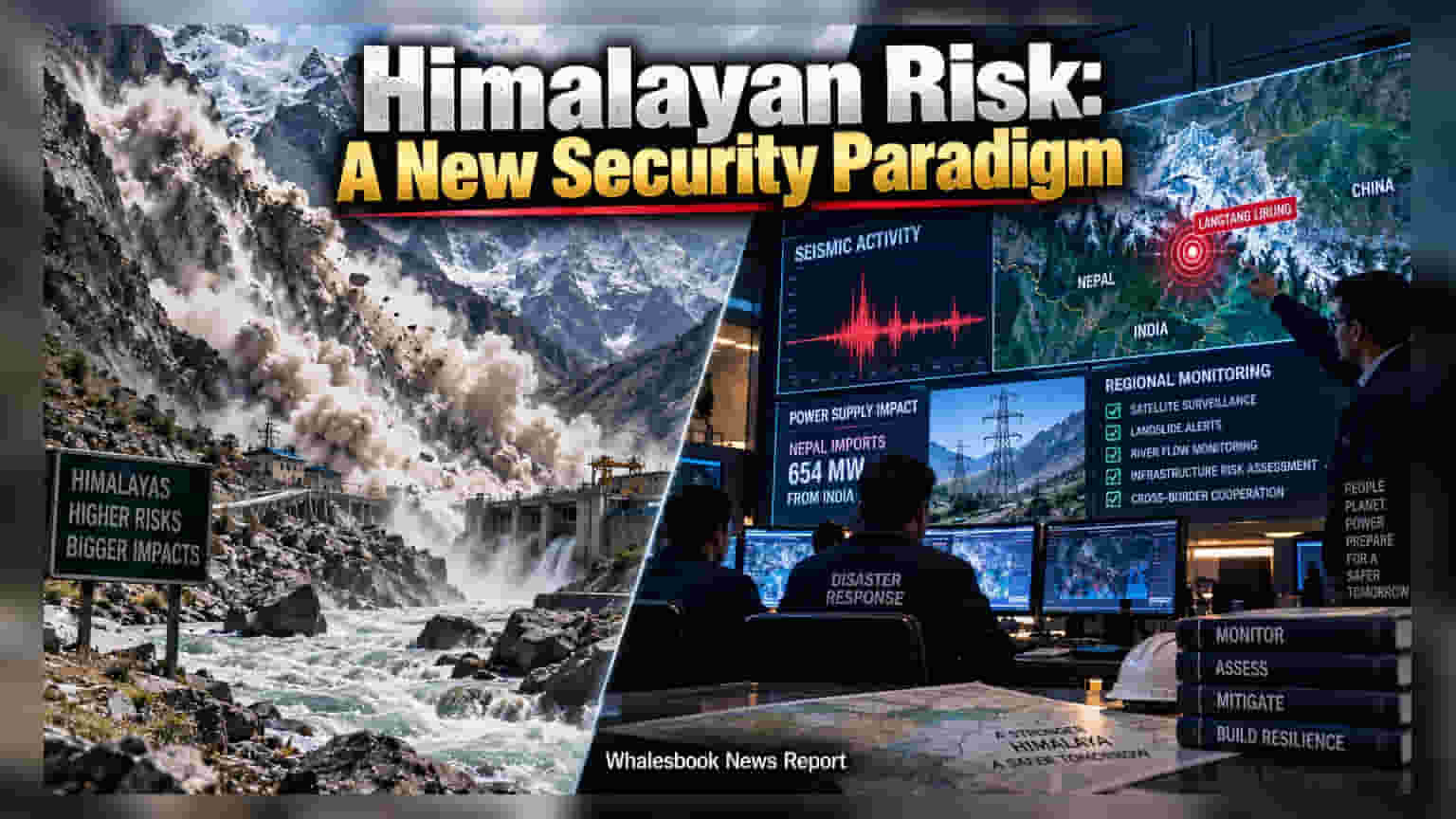
The August 26 Langtang Lirung disaster forced Nepal to import 654 MW of electricity from India, highlighting vulnerabilities in regional hydropower assets. Investors are assessing how geological risks and potential new safety regulations could impact the operational costs and project timelines for Indian hydropower companies like NHPC and SJVN with operations in mountain zones.
The August 26 rock and ice collapse at Langtang Lirung has brought the geological vulnerability of Himalayan infrastructure into focus. This natural disaster, which occurred across the border, disrupted hydropower production and forced Nepal to pivot from being an electricity exporter to importing 654 MW of power from India. For investors, this event demonstrates how sudden geological shifts in high-altitude zones can transform from local disasters into regional energy supply issues.
Indian hydropower companies, such as NHPC and SJVN, manage significant capacity in sensitive Himalayan regions like Himachal Pradesh, Uttarakhand, and Sikkim. The disaster highlights the risk of cascading hazards, where a single slope failure can disable infrastructure or obstruct rivers far downstream from the initial event. Traditionally, safety monitoring for large projects like dams often focused on the immediate construction site. The recent event suggests that a broader, catchment-based approach to monitoring is required.
This potential shift in safety philosophy could have long-term implications for how hydropower projects are planned, built, and maintained. If regulators move toward stricter requirements for satellite monitoring, seismic tracking, and ground-level safety infrastructure, it may lead to higher capital spending for both new and existing projects. While such measures are necessary for long-term project stability, they could put pressure on profit margins if not managed efficiently.
Furthermore, the event underscores the importance of regional cooperation. Infrastructure in the Himalayan belt is physically linked across borders, meaning damage on one side can impact power grids in another. While India works to bolster its own satellite and geospatial intelligence, the sector remains sensitive to any policy changes aimed at securing these critical assets against environmental risks.
Investors may watch for updates from regulators regarding new safety norms for mountain-based power projects. The key factor to track will be whether new safety mandates affect the cost of power generation or the timelines for completing under-construction projects. As the sector continues to evolve to manage these geological uncertainties, the operational track record of companies with strong safety management protocols will likely become an important factor for long-term analysis.