

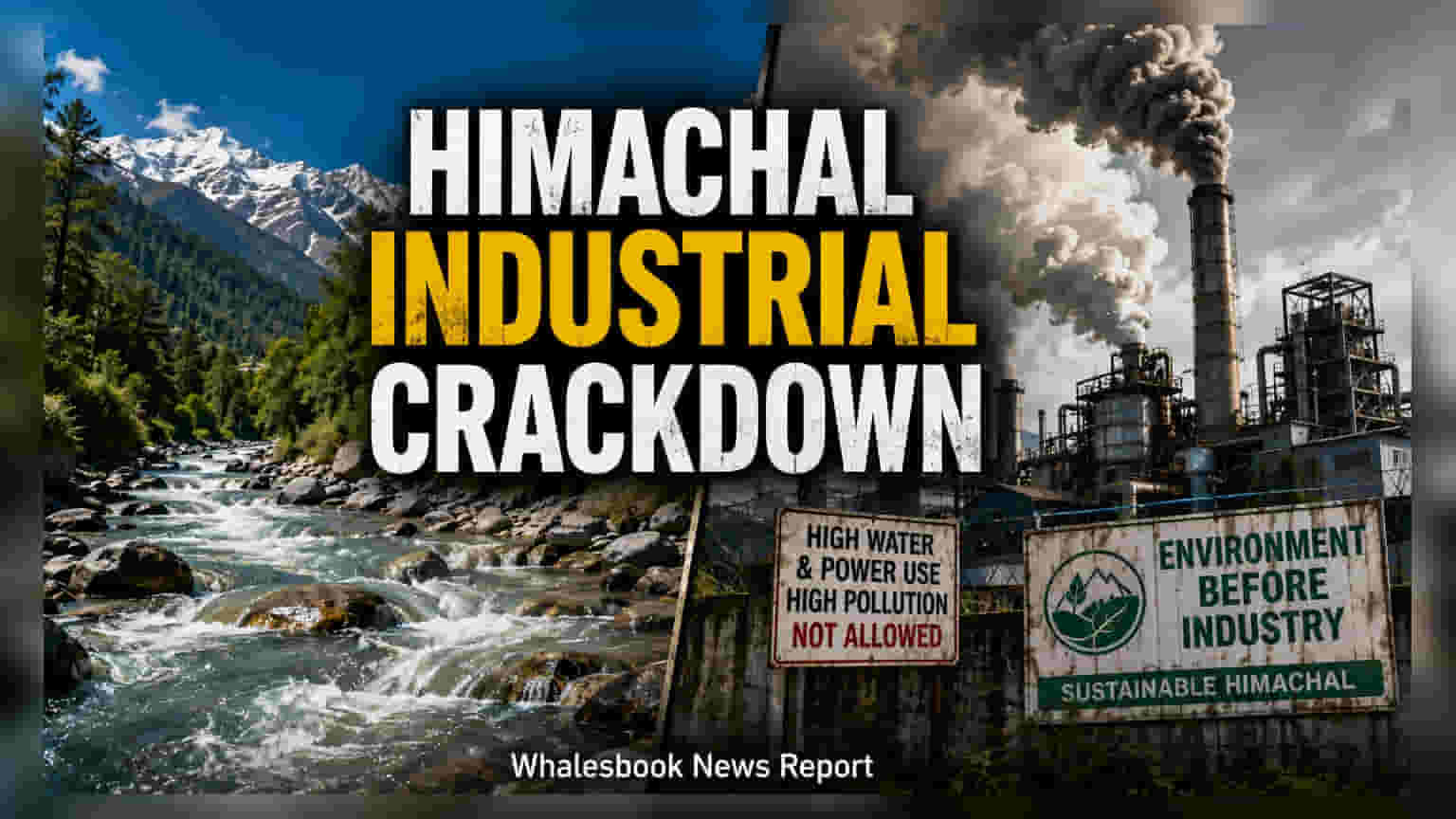
The Himachal Pradesh government has implemented stricter environmental norms, announcing the rejection of new water and power-intensive industrial projects, including ethanol plants. The state is also auditing the Shivalik Solid Waste Management facility in Nalagarh following persistent environmental complaints. This shift signals a focus on ecological sustainability over raw industrial expansion, raising compliance requirements for businesses operating in the state.
The Himachal Pradesh government has signaled a decisive shift in its industrial policy, prioritizing ecological stability over raw industrial expansion. Industries Minister Harshwardhan Chauhan has confirmed that new industrial projects deemed high-polluting or resource-intensive—specifically those with heavy water and electricity footprints—will face rejection during the approval process. This policy change directly impacts sectors such as ethanol manufacturing and certain types of steel reinforcement bar units, which the administration identifies as major consumers of local water and electricity resources.
For investors and companies looking to set up operations in the state, this move represents a significant change in the regulatory landscape. Projects requiring significant daily water consumption, often measured in hundreds of thousands of liters, are now under intense scrutiny. The government’s stated aim is to balance economic growth with the state's limited natural resources, amid growing concerns over climate-related environmental sensitivity in the Himalayan region.
Beyond general policy, the state is also taking direct action regarding existing operational concerns. The government is currently reviewing the Shivalik Solid Waste Management Plant in Nalagarh, a facility that has become a flashpoint for local protests. Residents have repeatedly raised complaints regarding air pollution and liquid waste mismanagement associated with the site. In response, the administration has formed a joint committee—involving the Deputy Commissioner and the State Pollution Control Board—to conduct an on-site audit. This committee is tasked with evaluating the facility’s operations and determining the feasibility of relocating the plant, which handles a vast array of industrial waste.
This tightening of norms creates a new operational environment for businesses. Companies operating in or planning to enter Himachal Pradesh must now account for stricter environmental compliance, potential permit delays, and the need for more efficient technology. The cost of compliance is likely to rise, as the state moves toward stricter enforcement of its environmental protection laws. Furthermore, the focus on moving away from water-intensive industries suggests that the state government is narrowing its list of preferred industries, favoring sectors that align with green energy and lower resource consumption.
Investors and stakeholders should monitor the outcome of the Nalagarh audit, as it may set a precedent for how the state handles existing units that fall short of updated environmental standards. The next important update will be the release of the committee’s findings on the Nalagarh facility and any subsequent formal notification detailing the new industrial approval criteria. Businesses currently in the planning stage for projects in the region may need to reassess their resource consumption models to ensure they align with the state’s evolving regulatory requirements.