

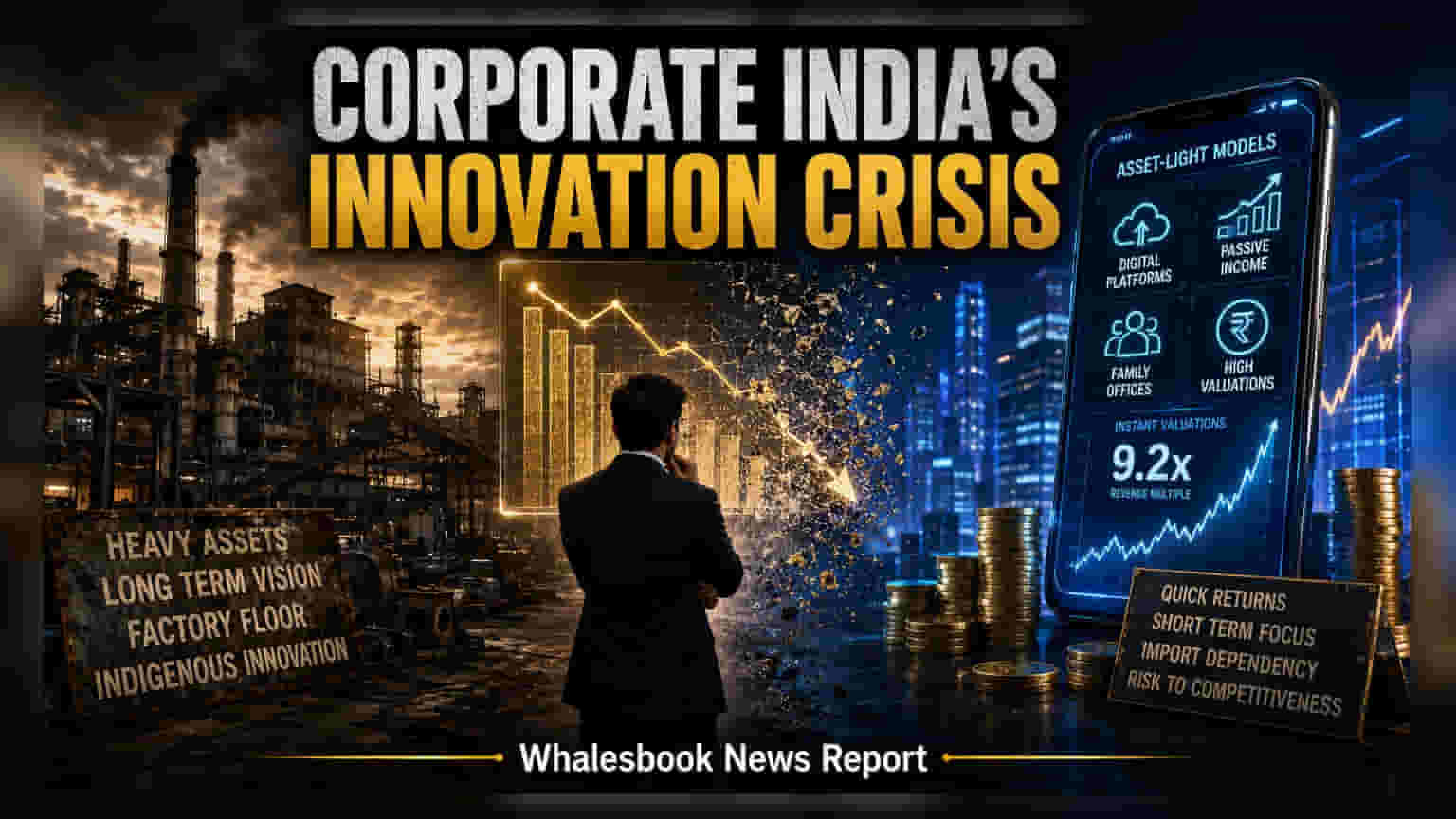
RPG Enterprises Chairman Harsh Goenka has expressed concern that Indian businesses are increasingly choosing passive income and asset-light models over long-term industrial investment. This shift may impact the nation's deep-tech and manufacturing growth, highlighting a disconnect between corporate strategy and long-term economic development.
Harsh Goenka, the Chairman of RPG Enterprises, has once again highlighted a significant change in the culture of India’s corporate sector. In recent observations, the industrialist warned that the drive to build long-term manufacturing and deep-tech capabilities appears to be losing momentum. Goenka suggested that a growing number of business leaders are prioritizing instant valuations, passive income, and asset-light business models over the traditional, demanding path of factory-floor innovation and long-term industrial development.
The Shift Toward Passive Capital
At the heart of Goenka’s critique is the observation that a new generation of business leaders is increasingly favoring wealth management and passive income streams via family offices. According to his analysis, this trend creates a disconnect between the country’s vast talent pool and its actual industrial output. While asset-light models—businesses that do not require heavy ownership of factories or infrastructure—can offer quick returns, Goenka argues that they may leave domestic companies overly reliant on imported technology transfers rather than developing original, indigenous solutions.
This concern resonates with broader discussions about private capital expenditure in India. Despite strong corporate profits in various sectors, private companies have been cautious about investing in large-scale manufacturing or Research and Development (R&D). Industry observers often point to factors like policy uncertainty, regulatory fears, and the pressure to deliver rapid quarterly growth as reasons for this hesitation. When businesses focus primarily on short-term stock performance or high-valuation digital ventures, the long gestation periods required for R&D-heavy projects often get sidelined.
Implications for India's Industrial Growth
For investors and market participants, this shift raises questions about the sustainability of India's manufacturing ambitions. If established corporate houses and next-generation leaders avoid the operational complexities of traditional industries, it could pose a structural risk to the country's competitive edge in global markets. Relying on imported technology instead of investing in home-grown innovation can make businesses vulnerable to supply chain disruptions and global cost fluctuations.
Goenka’s comments serve as a reminder of the trade-off between the desire for quick, high-valuation business cycles and the need for building deep-rooted, competitive industrial advantage. The challenge for the Indian corporate sector, as noted by industry analysts, is to balance the efficiency of modern, lean business models with the necessity of investing in the core capabilities that drive long-term value.
Moving forward, investors will likely track whether companies shift their focus back toward internal R&D and capacity expansion, or if the current trend toward asset-light strategies continues to dominate the corporate landscape. The ability of domestic firms to foster innovation will be a key factor in determining if they can maintain market leadership and compete effectively on the global stage.