

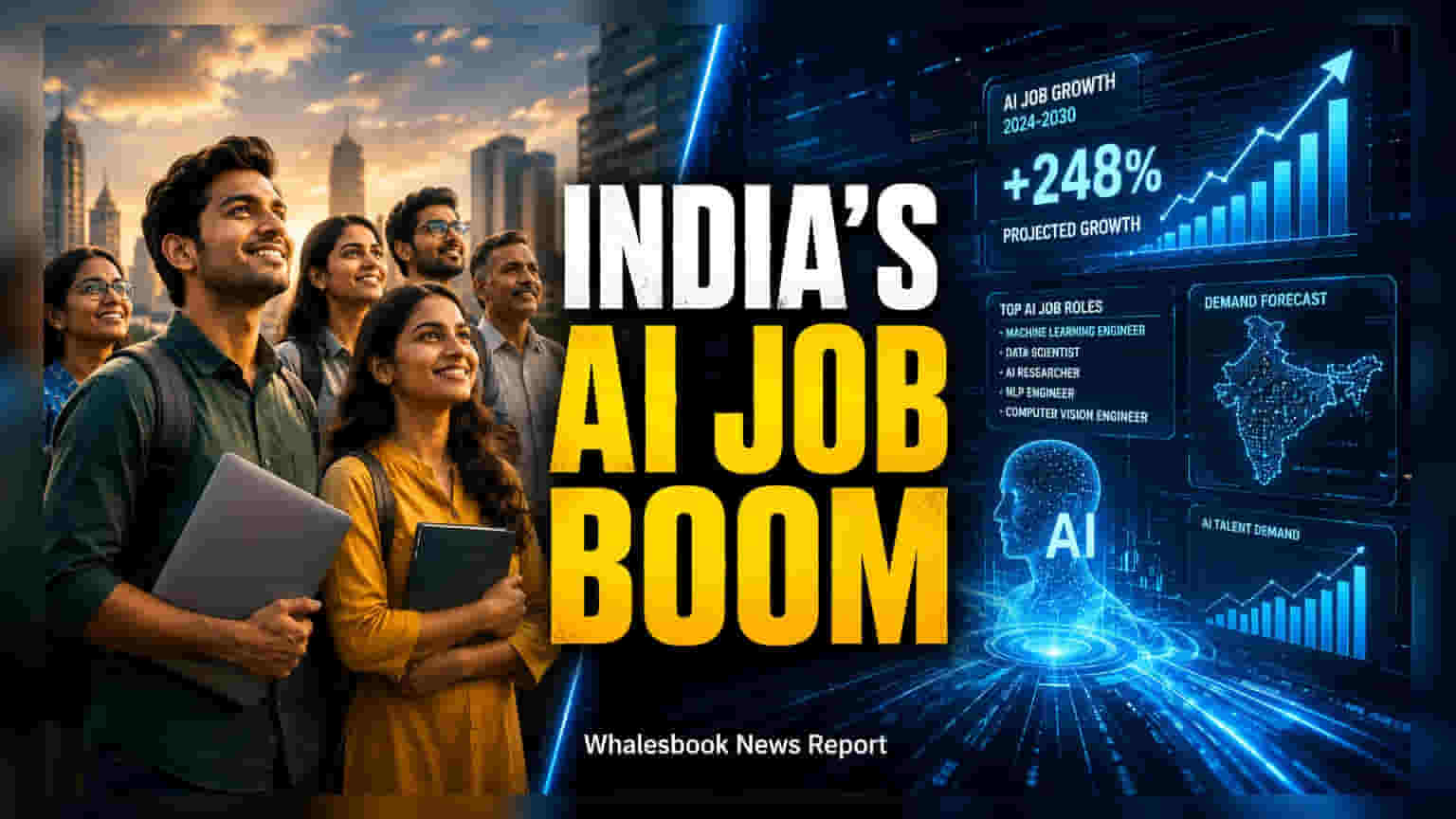
India is developing an AI-driven platform to bridge the gap between job seekers and employers by integrating national labor databases. This initiative aims to provide real-time employment insights, forecast future skill needs, and help workers find roles that match their qualifications. By connecting disparate data sources, the government hopes to improve workforce planning and reduce persistent unemployment gaps.
Detailed Coverage
The Ministry of Labour and Employment is spearheading a new initiative to launch an artificial intelligence-based labor market platform designed to modernize how India manages employment data. The project aims to create a unified digital ecosystem that brings together various government databases, including the Periodic Labour Force Survey, the Employees' Provident Fund Organisation records, and the e-Shram portal, which holds data on millions of workers in the unorganized sector.
Integrating Data for Informed Policymaking
By consolidating these datasets, the government plans to generate near real-time intelligence on the labor market. This move is intended to shift policymaking from reactive measures to evidence-based strategies. For the economy, this means a clearer understanding of where skill gaps exist and which sectors are generating the most demand for new hires. The platform will essentially act as a central hub for workforce intelligence, allowing officials to better forecast labor requirements as industries continue to evolve under the influence of automation and new technologies.
Impact on Employers and Job Seekers
For businesses and individuals, the platform aims to streamline the recruitment process. Currently, companies and job seekers often rely on fragmented private portals, which can lead to inefficiencies in finding the right talent or job. The proposed system will allow employers to filter candidates based on specific skills, location, and experience, while job seekers can gain better visibility into roles, including necessary qualifications and salary expectations. This effort aligns with broader goals mentioned in previous NITI Aayog reports, which emphasize the importance of matching educational outcomes with the actual needs of the industry.
Addressing Structural Labor Challenges
While the technology promises efficiency, the initiative enters a space characterized by complex structural challenges, including persistent urban unemployment and a diverse, largely informal workforce. Industry experts have noted that the success of such an integrated Labour Market Information System will depend on its ability to support effective reskilling and upskilling programs. If the platform can successfully translate data into actionable training for workers, it could help address the mismatch between the skills currently available in the market and those required by growing sectors. Investors and stakeholders will be tracking the pilot phases, the ease of data integration across these massive government repositories, and how the platform handles user privacy and data security in the coming quarters.