

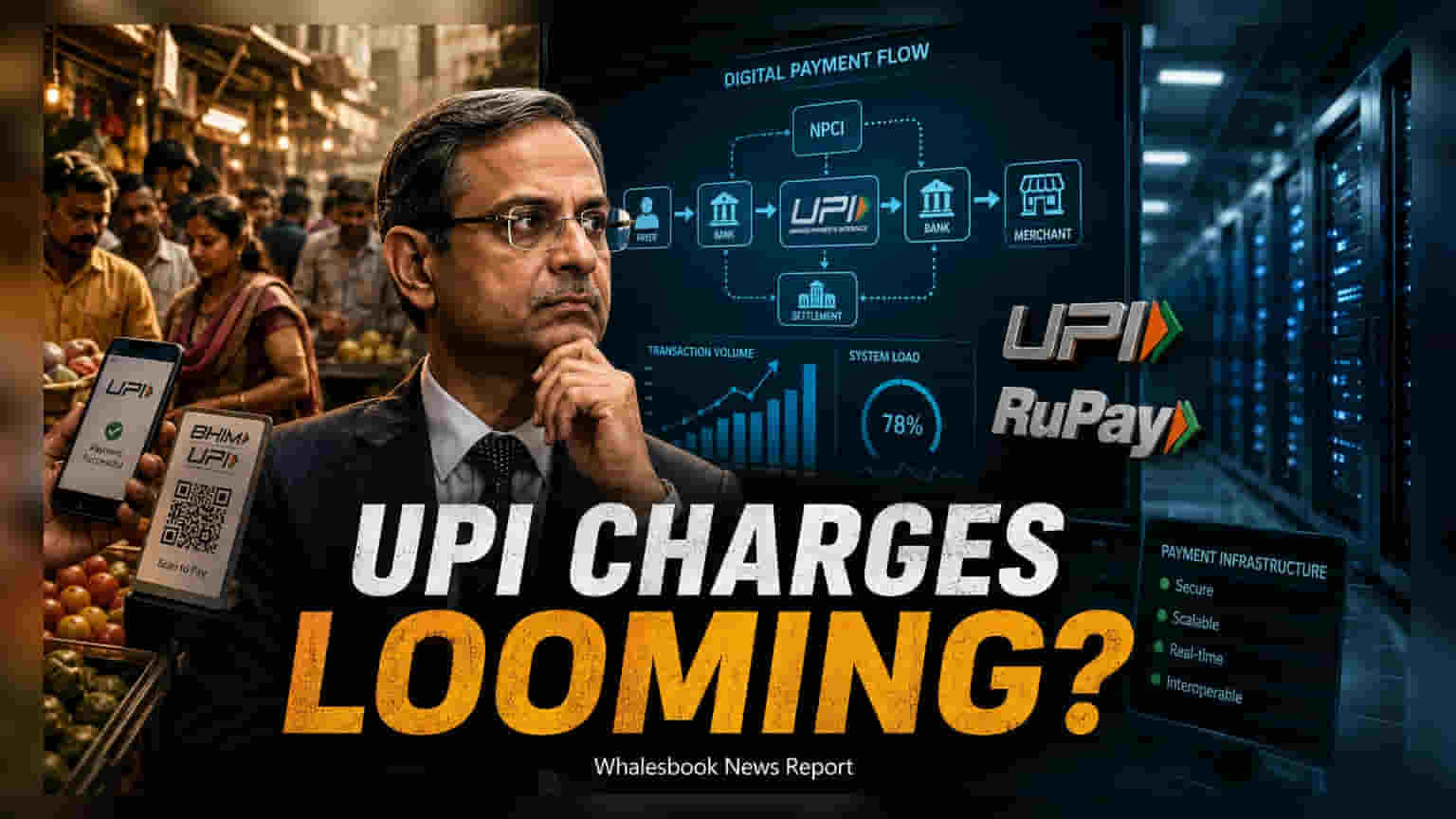
The government has introduced the Taxation and Other Laws (Amendment) Bill, 2026, which proposes changes to the Payment and Settlement Systems Act. This move could allow the introduction of charges for specific digital transactions, ending the blanket zero-MDR mandate. RBI Governor Sanjay Malhotra noted that while it is premature to discuss specific fees, the rising cost of maintaining digital infrastructure must be addressed to ensure the system's long-term sustainability.
The landscape of digital payments in India may undergo a significant shift following the introduction of the Taxation and Other Laws (Amendment) Bill, 2026, in Parliament on August 4, 2026. Finance Minister Nirmala Sitharaman presented the bill, which seeks to amend the Payment and Settlement Systems Act, 2007. The key change involves removing the automatic statutory exemption from the Merchant Discount Rate (MDR) for certain digital payment modes. This would grant the government the flexibility to notify specific digital transactions that may attract charges in the future.
Understanding the Shift in Digital Payment Costs
For years, the Indian digital payments ecosystem, particularly UPI, has operated under a zero-MDR regime, meaning merchants do not pay a fee to accept payments. While this policy was highly successful in driving mass adoption among consumers and small businesses, it has placed a financial burden on banks and payment service providers (PSPs) responsible for building and maintaining the backend infrastructure. As transaction volumes continue to rise, the cost of processing these payments has grown, leading to discussions about the financial sustainability of the current model.
RBI’s Stance on Infrastructure Sustainability
Addressing the ongoing debate on August 5, 2026, RBI Governor Sanjay Malhotra emphasized that it is currently premature to speculate on specific fees or structures. However, he stressed a fundamental economic principle: the costs of maintaining high-quality public payment infrastructure must be covered by someone. Whether these costs are absorbed by the government, businesses, or through specific merchant fees, the goal is to ensure the system remains efficient and continues to grow. The RBI’s current focus appears to be on finding a balanced approach that maintains public accessibility while recognizing the operational expenses faced by banks and payment platforms.
Potential Impact for Stakeholders
If the government moves to notify specific charges, the focus is likely to be on large-value transactions. Market reports suggest that potential MDR models might target high-value payments—such as those above ₹2,000—made to large merchants, while person-to-person (P2P) transfers and smaller businesses are expected to remain exempt. For banks and listed fintech firms, any reintroduction of transaction fees could improve revenue streams and margins, which have been under pressure due to the free payment model. For investors, this represents a potential improvement in the unit economics of digital payment business models.
Risks and Market Monitorables
While the proposal aims to fix the cost burden, there are inherent risks. If merchants are asked to pay fees, they may resist or pass these costs on to consumers, which could create friction and potentially slow down the adoption of digital payments. Any significant decline in usage would be a negative outcome for the digital economy. Investors should closely monitor the passage of the Bill, the government's subsequent notifications regarding which transaction categories will attract charges, and the specific rate structures. The next critical update will be the formal framework released by the government, which will clarify the scope and impact of these potential changes.