

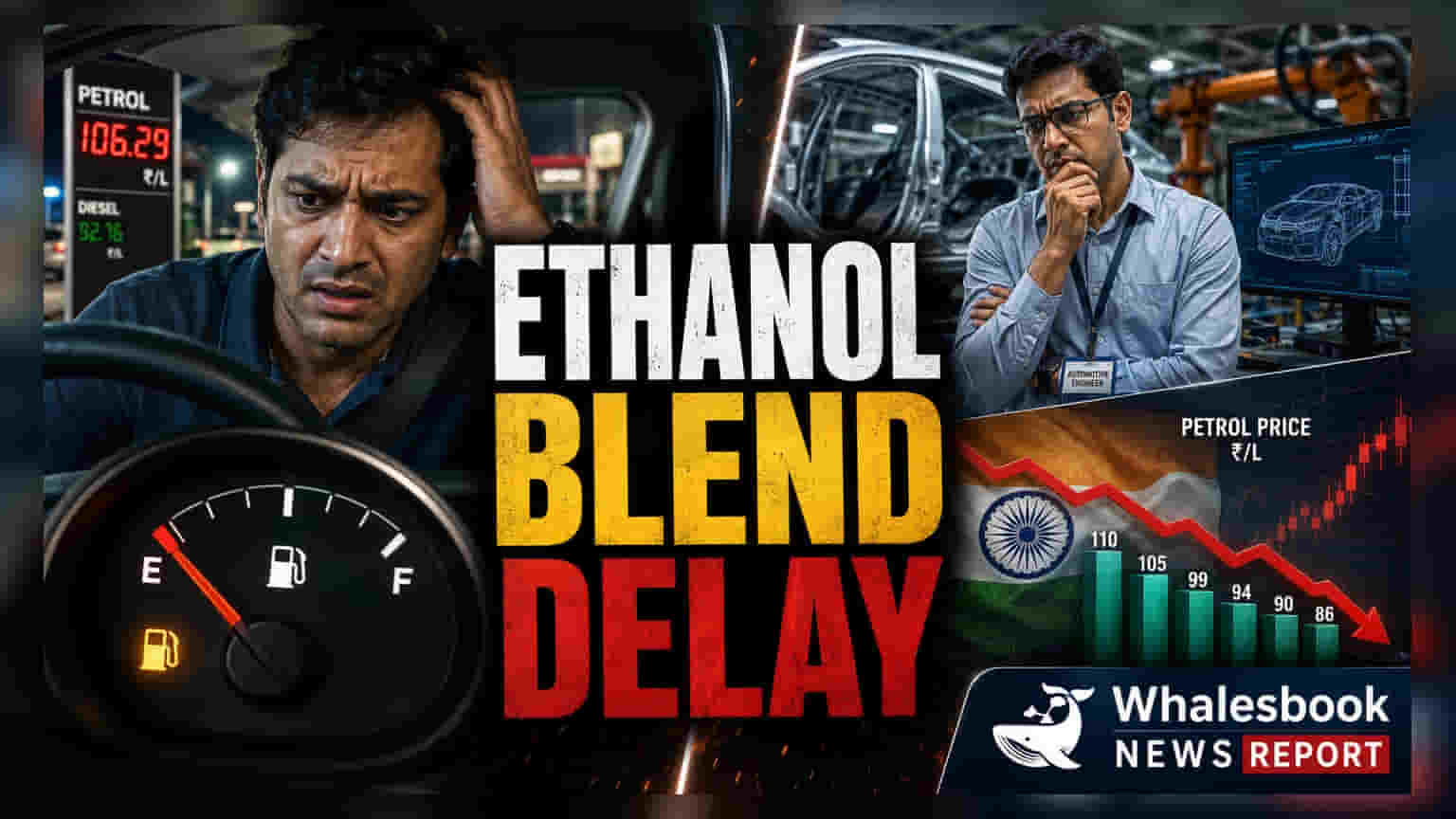
The Indian government is reportedly planning to delay the introduction of E25 petrol, which contains 25% ethanol, following concerns from motorists and car manufacturers. The move aims to address issues regarding lower fuel mileage and potential damage to older engine components, favoring a more gradual, scientific approach to the transition after the accelerated shift to E20 fuel.
The central government is reportedly reconsidering the timeline for introducing E25 petrol, a fuel blend containing 25% ethanol, amid growing pushback from vehicle owners and automotive manufacturers. This potential delay marks a shift toward a more cautious strategy following the government's earlier, faster-than-planned implementation of E20 fuel, which is a blend of 80% petrol and 20% ethanol.
Challenges from E20 Implementation
The transition to E20, which was brought forward by five years, caused significant concern among consumers who reported reduced fuel economy and potential engine issues in older vehicles. Ethanol contains less energy per unit than pure petrol, which directly results in lower mileage for motorists. Furthermore, because ethanol is hygroscopic—meaning it absorbs moisture from the air—it can lead to corrosion or damage in fuel systems and engines that were not specifically engineered to handle higher ethanol concentrations.
Industry and Consumer Feedback
Automotive manufacturers, known as Original Equipment Manufacturers (OEMs), have communicated the need for more time to prepare vehicles for E25. Significant engineering changes are required to ensure vehicle reliability, including adjustments to engine calibration, fuel system durability, and the use of materials that can withstand higher ethanol blends without degrading. The experience with E20 highlighted that without adequate preparation and clear consumer communication, the transition can create friction, particularly for owners of older two-wheelers and cars designed for lower or no-ethanol fuel.
Towards a Calibrated Transition
Government officials have indicated that any move beyond E20 will likely follow a graded, scientific approach to ensure the automotive ecosystem is fully ready. Instead of a rapid, industry-wide mandate, the government is focusing on engaging with manufacturers to resolve lingering consumer complaints and validate that vehicles can handle the higher ethanol content without compromising safety or performance. This recalibration is seen as a way to avoid the operational hurdles encountered during the shift to E20, where some segments of the vehicle fleet faced compatibility challenges.
While ethanol blending remains a key policy objective to reduce India’s dependence on crude oil imports and lower carbon emissions, the current focus is shifting from aggressive timelines to technical viability. Investors monitoring the automotive and oil marketing sectors should track future government notifications regarding the revised roadmap for E25. The next important step will be updated guidelines from the Bureau of Indian Standards and official timelines provided to automakers for ensuring fleet compatibility.