

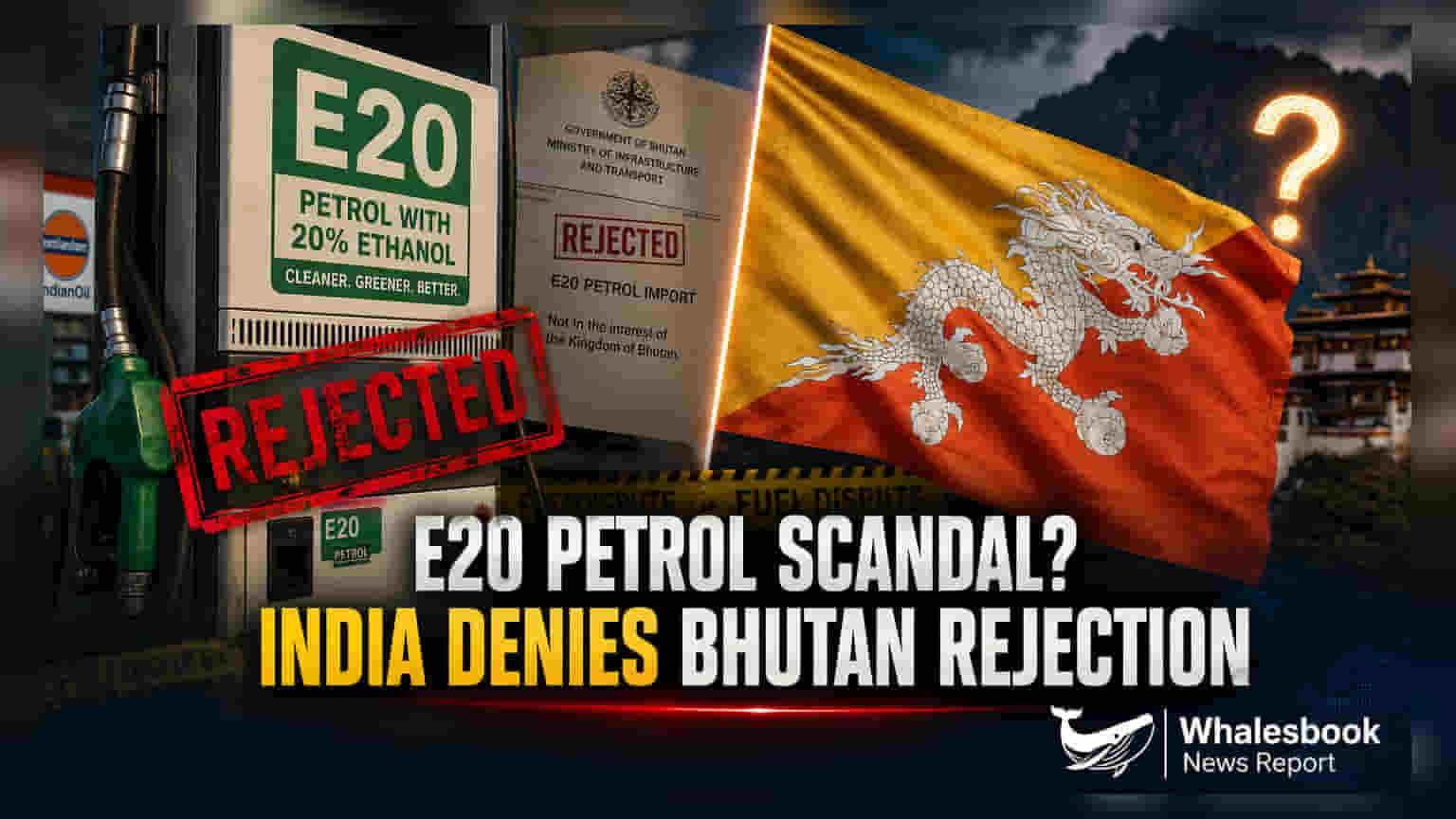
The Ministry of Petroleum has dismissed claims that Bhutan rejected India's E20 petrol, stating no such proposal was ever made. This clarification follows political allegations regarding the safety and export of ethanol-blended fuel, which has been in use across India since April 2025.
The Ministry of Petroleum and Natural Gas has officially refuted reports suggesting that Bhutan and other neighboring nations had declined an offer to import India’s E20 petrol. In a statement, the ministry clarified that Indian oil marketing companies have not proposed the export of this ethanol-blended fuel to these countries, making the premise of such rejections factually incorrect.
Origins of the E20 Concerns
The clarification comes in response to claims suggesting that multiple neighboring countries were hesitant to adopt India's E20 fuel, which contains 20% ethanol blended with gasoline. Concerns had been raised by the Congress party regarding the technical suitability and safety of this fuel blend for international markets. By clarifying that no export offer existed, the government has aimed to address questions surrounding the international acceptance and the perceived quality of the domestic fuel program.
Testing and Performance Standards
As India continues its transition toward higher ethanol blending, the reliability of E20 fuel remains a primary focus for both the government and automotive stakeholders. The Ministry of Information and Broadcasting has maintained that the implementation of the E20 program follows extensive validation by technical bodies, including the Automotive Research Association of India, Indian Oil’s research division, and the Indian Institute of Petroleum. According to official data, these institutions conducted comprehensive laboratory and field trials to ensure that the blend does not compromise engine durability or vehicle performance.
Impact on Vehicle Warranties
For domestic vehicle owners, a common point of confusion has been whether the use of E20 fuel impacts manufacturer-provided warranties. The government has stated that using approved E20 fuel in vehicles designed for such blends does not automatically void a manufacturer's warranty. Major automobile companies have been aligning their engine specifications with these standards as the country expanded the availability of the blend starting April 1, 2025. This transition is part of a broader policy objective to reduce crude oil import dependency and lower emissions, a strategy similar to long-standing practices in countries like Brazil.
Investors and stakeholders tracking the energy sector should focus on the domestic rollout progress rather than international export narratives. The key monitorable remains the continued supply chain expansion for ethanol and the long-term impact of blending on vehicle maintenance and fuel efficiency, as reported by domestic manufacturers and oil marketing companies. Future policy updates will likely center on further blending milestones and infrastructure development within India.