 Whalesbook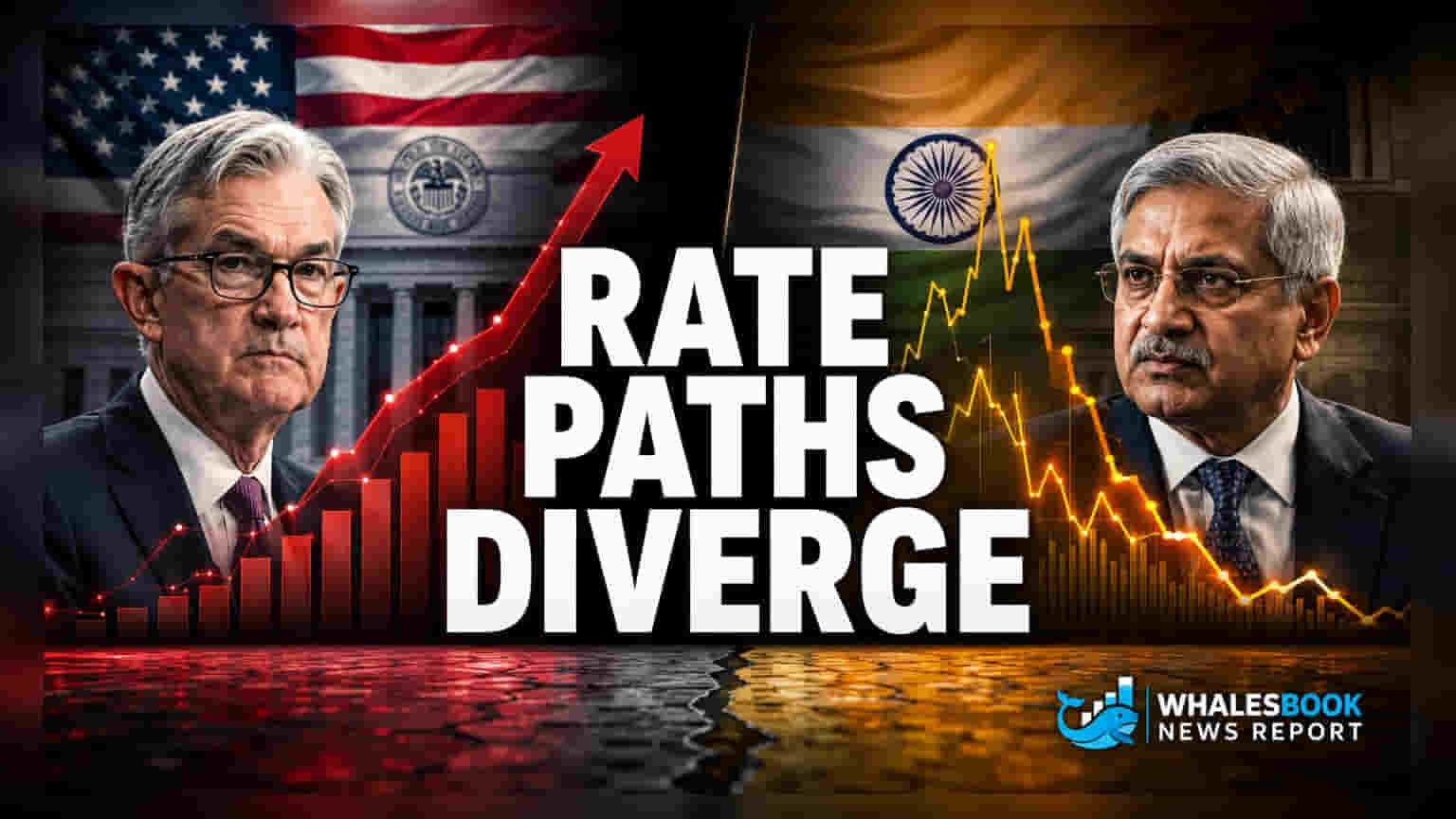


The Valuation Gap in Monetary Policy
The synchronization of global central bank policy has shattered, replaced by a geographic bifurcation that leaves major economies on conflicting paths. In the United States, the persistence of price pressures has effectively neutralized the possibility of near-term monetary easing. Markets have recalibrated their expectations as the 10-year Treasury yield asserts dominance near the 4.6% threshold, effectively pricing out the aggressive rate-cut narrative that dominated earlier quarters. Unlike previous cycles where the Federal Reserve could rely on cooling consumer metrics, the current environment is defined by a floor under inflation that suggests the 'higher-for-longer' mantra is no longer a forecast, but a structural reality.
The Wholesale-to-Retail Transmission Lag
India presents a starkly different configuration, characterized by a widening chasm between wholesale inputs and consumer-facing metrics. While retail inflation appears contained, the 8.3% surge in the Wholesale Price Index serves as a leading indicator of impending pressure on corporate margins. Producers have largely suppressed these costs until now, but the mathematical inevitability of a cost pass-through looms over the horizon. The depreciation of the rupee further compounds this, effectively importing inflation through crude oil and raw material pricing. As secondary logistics costs filter into the services sector, the disconnect between benign headline figures and the underlying economic reality will likely collapse by the final quarter of the year.
The Forensic Bear Case: Structural Vulnerabilities
Investors must grapple with the reality that the Reserve Bank of India is operating under narrow margins. Unlike the US, which maintains a buffer as a net energy exporter, India remains acutely sensitive to global supply shocks. A primary concern is the potential for institutional over-leverage in a higher-rate environment. Should the RBI execute a 50-basis-point hike to counter food and fuel volatility, the resulting liquidity squeeze could be magnified by already elevated government borrowing requirements. Furthermore, companies that have relied on low-cost debt to navigate the previous cycle face significant refinancing risks. The market is currently underestimating the volatility associated with a sudden shift in policy stance, particularly as foreign capital flows exhibit signs of fatigue due to the strengthening US dollar environment.
The Future Outlook
Market consensus is shifting toward an October inflection point for Indian monetary policy, moving away from the patience that defined the first half of the year. Investors are increasingly gravitating toward shorter-duration debt instruments to hedge against the duration risk inherent in a tightening cycle. While the Federal Reserve remains constrained by the need to balance cooling growth against sticky PCE figures, the RBI is being forced to prioritize currency stability and inflation containment. This divergence suggests that the premium on capital will continue to rise, favoring high-cash-flow entities over those dependent on external financing to maintain operations.