

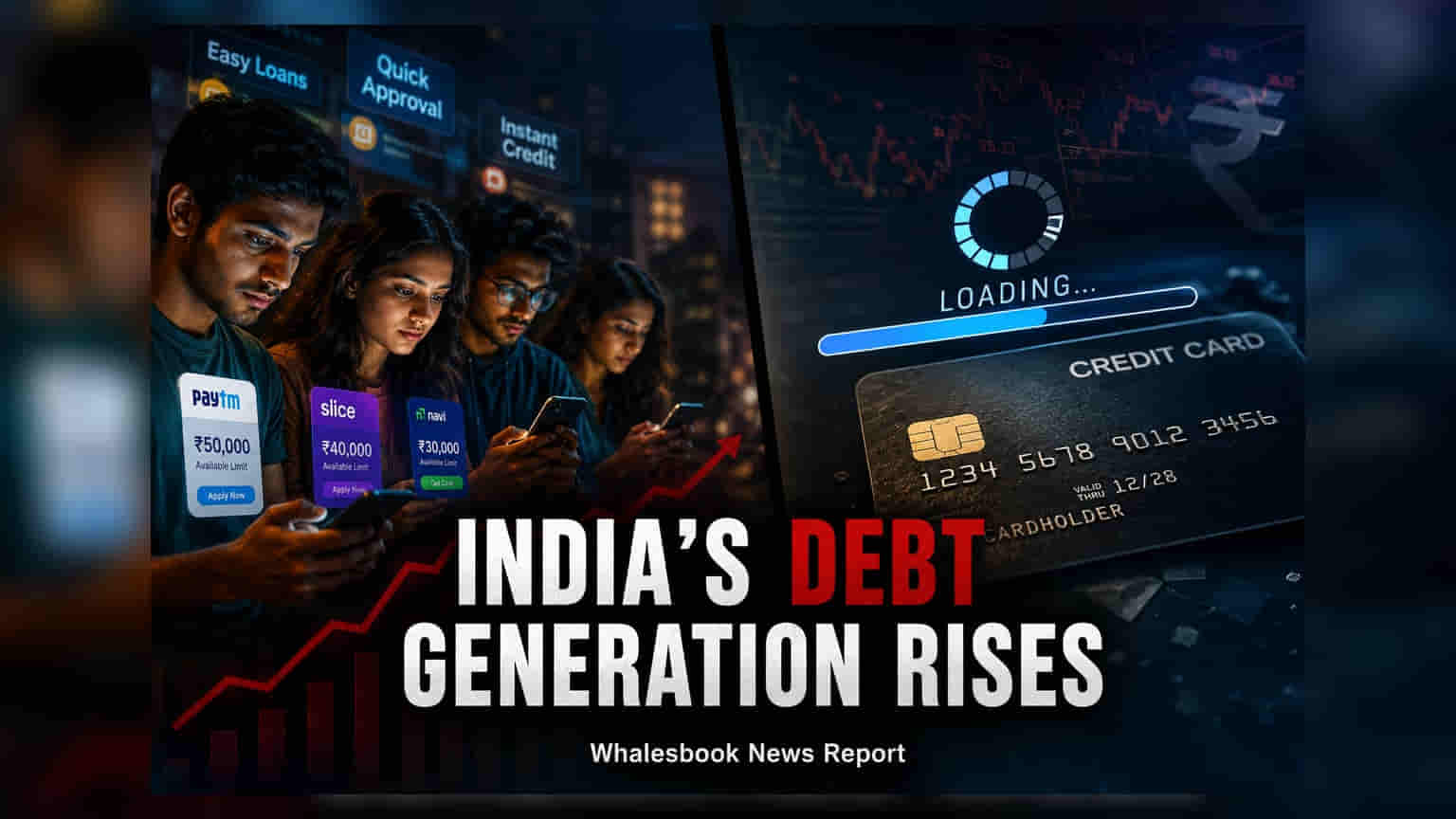
Data from TransUnion CIBIL shows 70% of Indian Gen Z consumers now use BNPL or personal loans before getting their first credit card. This shift toward early debt highlights changing financial habits compared to Millennials. Investors should track how this trend impacts credit quality and the business models of retail lenders and card issuers.
A shift in how young Indians interact with credit is reshaping the financial landscape. According to a recent TransUnion CIBIL report, seven out of every ten Gen Z individuals in India now engage with credit products like Buy Now Pay Later (BNPL) services, consumer durable loans, or small personal loans before ever applying for a traditional credit card. This trend represents a clear departure from the habits of the Millennial generation, where a significantly smaller portion had a credit history prior to their first credit card issuance.
Generational Shift in Borrowing
The data reveals that in 2018, more than half of Millennials aged 24 to 30 secured their first credit card with no prior credit history. By 2024, that number had fallen to just 30% for the Gen Z demographic. Instead of treating the first credit card as a gateway to borrowing, many young consumers are now entering the financial system with existing debt portfolios. Nearly one-third of Gen Z applicants already hold two or more active credit products by the time they receive their first credit card. Furthermore, the speed at which these consumers expand their credit footprint is accelerating; 69% of Gen Z users add another credit product within twelve months of getting their first card, a rate notably higher than that seen among Millennials.
Digital Accessibility and Consumer Behavior
The rise of digital-first lending platforms and BNPL options is a primary driver of this change. These services are often integrated directly into shopping apps, making the process of splitting payments or securing instant credit effortless. For many young borrowers, credit is increasingly viewed as a tool for convenience and immediate consumption rather than a significant financial commitment. The ease of access, combined with digital marketing and social media influence, has made debt a routine part of daily spending for this generation.
Investor Implications and Credit Risk
For banks and non-banking financial companies (NBFCs), this shift changes the profile of the new customer. Lenders are no longer evaluating a "blank slate"; they are now underwriting individuals who often already carry financial obligations. While this early entry into the credit system can provide lenders with more data to assess risk, it also increases the potential for rapid debt accumulation. If consumers underestimate their repayment capacity due to the ease of borrowing, it could lead to higher delinquency rates.
Investors may monitor how this trend affects the asset quality of lenders heavily exposed to unsecured retail credit. As the industry adjusts to this new customer profile, the ability of lenders to accurately price risk for young, high-frequency borrowers will become a key indicator of long-term profitability. Future updates from credit bureaus and lender disclosures on portfolio seasoning for younger cohorts will be important for understanding the sustainability of this credit growth.