

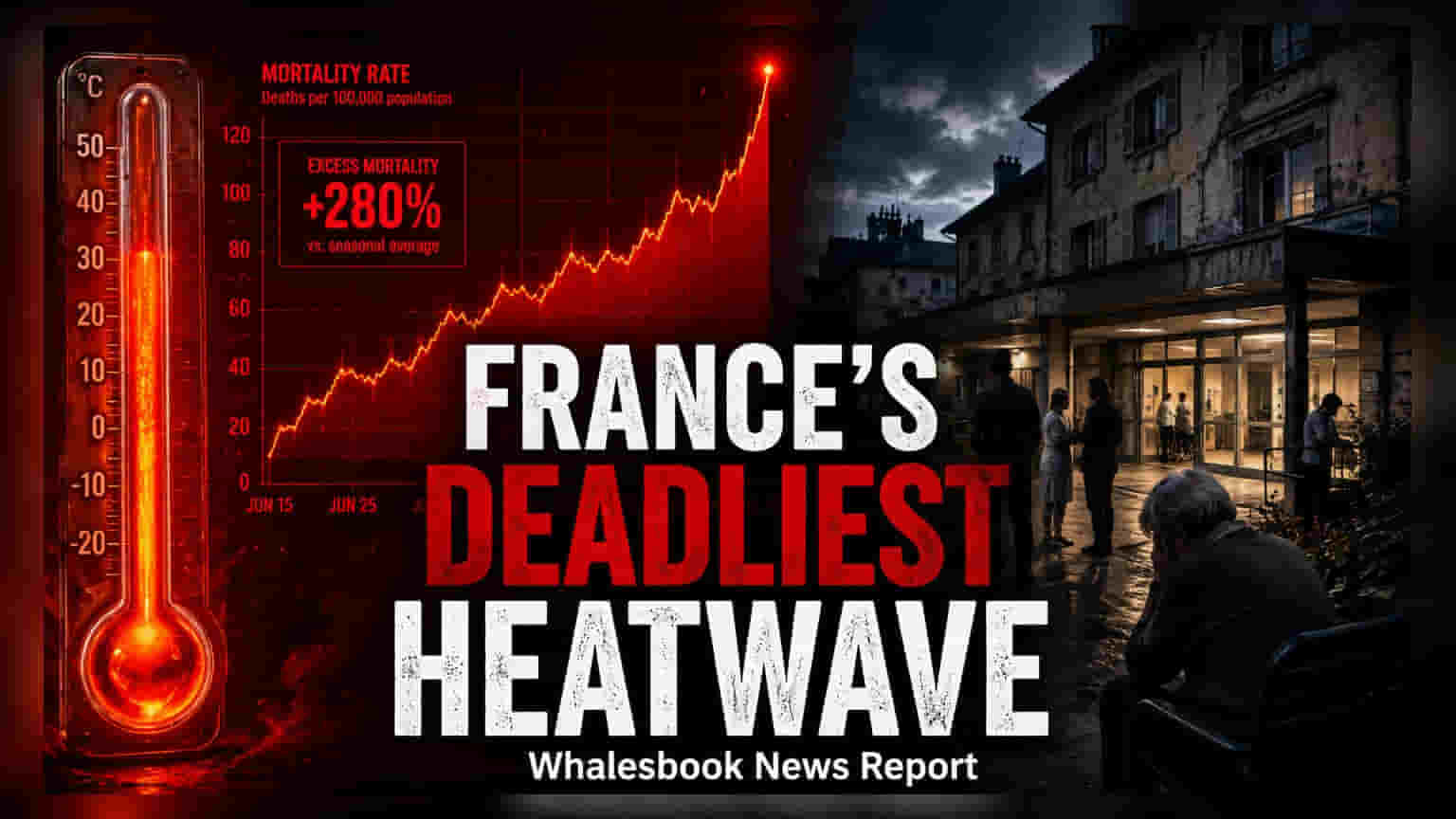
France reported 5,764 excess deaths following a severe June heatwave, marking the highest mortality surge since 2003. With the Paris region facing an 80% spike in unexpected fatalities, the crisis highlights the growing economic and infrastructure challenges posed by extreme weather patterns in Europe.
Detailed Coverage
France has officially reported a significant public health crisis linked to a record-breaking heatwave that gripped the nation from June 17 to July 2. According to Public Health France, the country experienced at least 5,764 excess deaths—a statistical measure of deaths that occurred above the expected baseline for that time of year. This surge represents a 36% increase in overall mortality compared to normal levels, making it the deadliest heat-related event in the country since the catastrophic summer of 2003, which claimed approximately 15,000 lives.
Regional Impact and Demographic Pressure
The impact of the extreme weather was uneven, with the Paris region bearing the heaviest burden. Official data shows that Paris alone recorded 1,999 unexpected deaths, marking an 80% increase compared to normal mortality expectations. The mortality toll highlights the strain on various sectors; hospitals reported nearly 50% of the fatalities, while the remainder were spread across private homes and elderly care facilities. The intensity of the heat, characterized by national average temperatures reaching 30°C and local peaks crossing 40°C, was exacerbated by unusually warm nights that prevented the typical cooling necessary for the human body to recover.
Economic and Infrastructure Implications
For investors and market analysts, this event serves as a stark reminder of the physical risks associated with climate volatility. Sustained extreme temperatures often lead to immediate pressure on healthcare infrastructure and social services, but they also trigger broader economic consequences. In France, such events typically necessitate increased spending on cooling infrastructure, upgrades to building insulation, and enhanced energy grid resilience to manage the spike in electricity demand for air conditioning.
Furthermore, prolonged heatwaves frequently impact agricultural productivity and labor efficiency in outdoor sectors, which can lead to localized inflationary pressure on food prices. As the country assesses the long-term impact of this event, the focus is likely to shift toward national climate adaptation strategies. Investors may monitor future government policy announcements regarding capital allocation for climate-resilient infrastructure and potential regulatory updates for the construction and energy sectors, as these could influence long-term operational costs for companies with large assets in the region.