

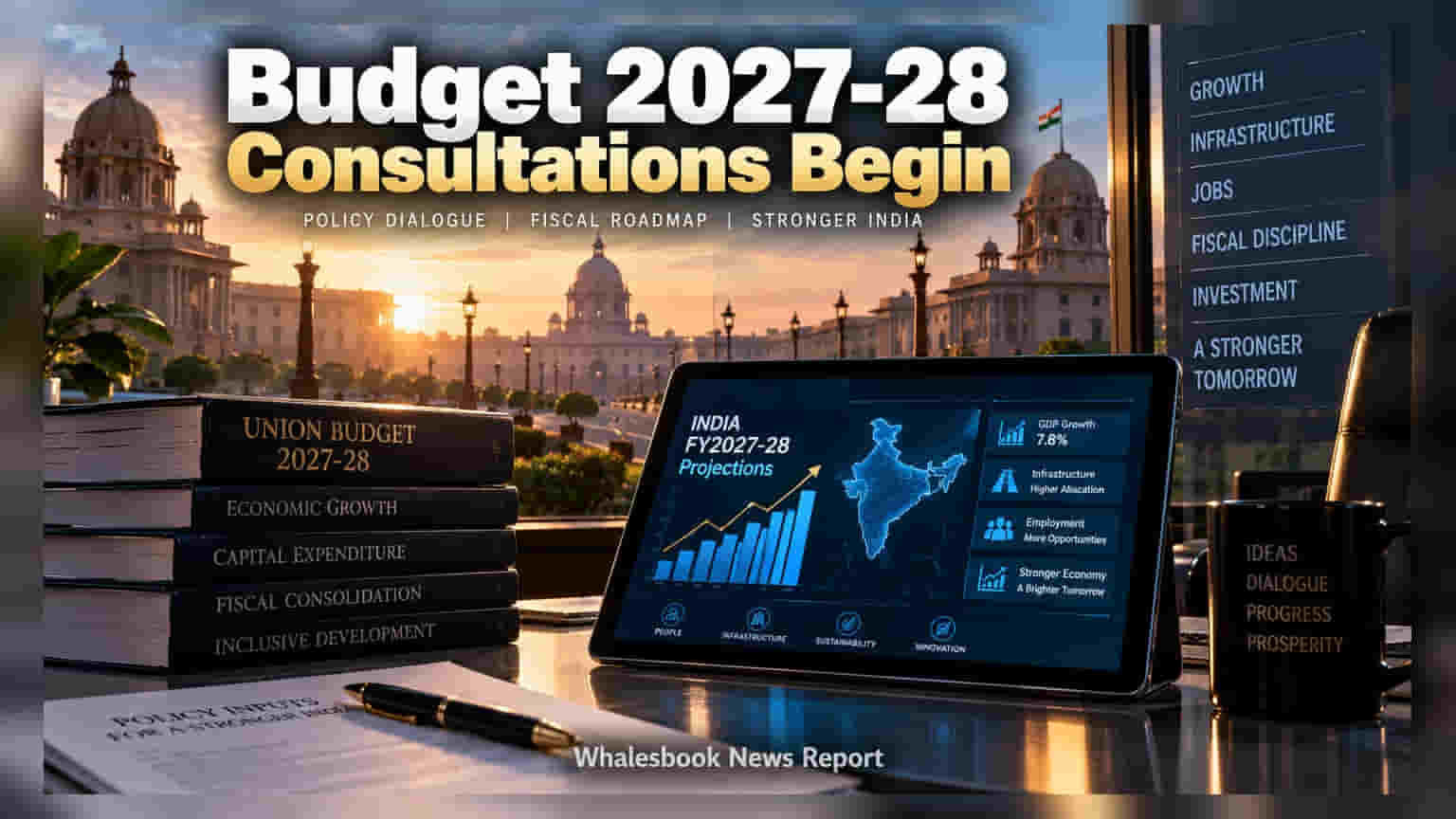
The Ministry of Finance will begin pre-budget consultations on October 12, 2026, to shape the fiscal strategy for the upcoming year. These meetings will finalize spending estimates and tax projections ahead of the Union Budget presentation expected on February 1. Investors typically track these early discussions for clues on government spending, fiscal consolidation targets, and sector-specific policy direction.
The Union Budget 2027-28 process is set to move into its next phase as the Ministry of Finance begins pre-budget consultations starting October 12, 2026. According to the recent circular from the Budget Division, the Department of Expenditure will lead these sessions, which are scheduled to continue through November 13, 2026. To keep the process on track, all government departments have been asked to submit their financial data and estimates by October 6.
These consultations are crucial for setting the government's financial roadmap. The sessions help finalize the Revised Estimates for the current fiscal year and establish projections for the upcoming one. For the broader market, these meetings serve as an early indicator of the government’s fiscal priorities, including capital spending plans, tax revenue expectations, and the extent of fiscal consolidation measures planned for the next financial year.
The upcoming budget holds historical significance as it marks an unprecedented streak for Finance Minister Nirmala Sitharaman, who is expected to present her tenth consecutive Union Budget on February 1, 2027. This consistent stewardship of the budget process provides a level of continuity that market participants often track closely when assessing long-term policy direction.
The planning process is unfolding against a backdrop of both domestic resilience and global uncertainty. India’s economy recorded a 7.8 per cent growth rate in the first quarter of FY27, maintaining its position as one of the fastest-growing major economies. However, policymakers face external pressures, such as fluctuating crude oil prices and geopolitical tensions in West Asia that continue to impact international supply chains. These global factors remain central to the government’s fiscal planning as they aim to balance economic growth with the need to manage import costs and maintain a stable fiscal deficit.
As the consultations proceed, the key monitorable for investors will be the balance between sustaining public investment and managing government debt. The government is expected to focus on policies that support domestic demand and job creation while navigating the risks posed by global economic shifts. Investors will likely look for commentary or policy signals emerging from these meetings regarding sector-specific allocations, infrastructure spending, and any potential adjustments in taxation or subsidy frameworks, which will only be fully detailed during the final budget presentation in February.