

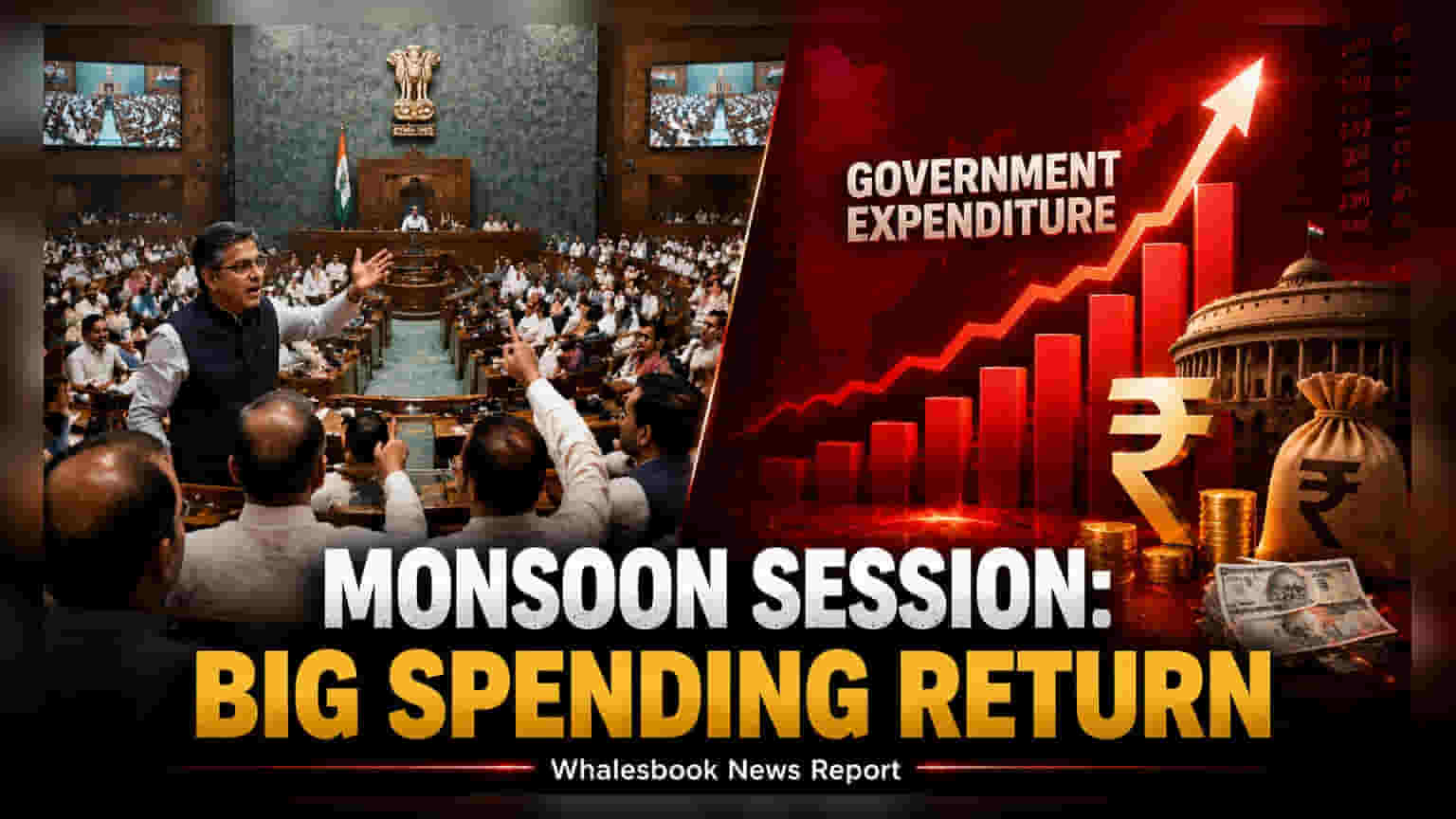
The Finance Ministry is set to reintroduce Supplementary Demands for Grants in the upcoming Monsoon Session, signaling increased government spending. This move follows early FY27 fiscal data showing rising deficits and indicates potential pressure on national finances due to geopolitical and climate-related costs.
The Union Finance Ministry is preparing to present Supplementary Demands for Grants in the upcoming Monsoon Session of Parliament, a move that marks the return of this practice after a five-year gap. In the Indian federal budget process, Supplementary Demands for Grants are essential legislative requests used when the government realizes it needs more money than was initially approved in the annual budget to meet new or unexpected expenses.
Drivers of Fiscal Strain
This decision highlights growing pressure on government finances for the current financial year. Official reports indicate that the need for additional funding stems from rising costs linked to conflict mitigation in West Asia and proactive measures to manage the economic impact of a potentially below-normal monsoon. When such expenditures arise, the government must approach Parliament to authorize the extra spending to ensure transparency and compliance with fiscal laws. Historically, the government has managed these adjustments through multiple supplementary demands throughout the year.
Legislative Agenda and Investor Impact
Along with the financial grants, the Ministry is expected to table key legislative changes that could impact the financial sector. Among these is the Securities Market Code (SMC) Bill, which aims to consolidate existing securities laws and introduce a dedicated ombudsman to handle investor grievances. For the corporate sector, the Corporate Laws (Amendment) Bill is being introduced, which proposes allowing companies and Limited Liability Partnerships (LLPs) located in International Financial Services Centres (IFSCs) to maintain their accounts in foreign currencies. Additionally, a bill to formalize capital gains tax exemptions for certain foreign investors on government securities is also on the table.
Early FY27 Fiscal Trends
Recent economic data for the first two months of FY27 suggests a challenging start to the fiscal year. Revenue receipts have seen a slight decline compared to the same period last year, while overall government expenditure has surged. This imbalance has led to a noticeable increase in the fiscal deficit, which is the gap between what the government earns and what it spends. Investors often monitor these trends closely, as a widening fiscal deficit can influence borrowing costs, inflationary expectations, and general market liquidity. The upcoming parliamentary session will be the primary venue for updates on how the government plans to balance these immediate expenditure needs with its long-term fiscal targets.