 Whalesbook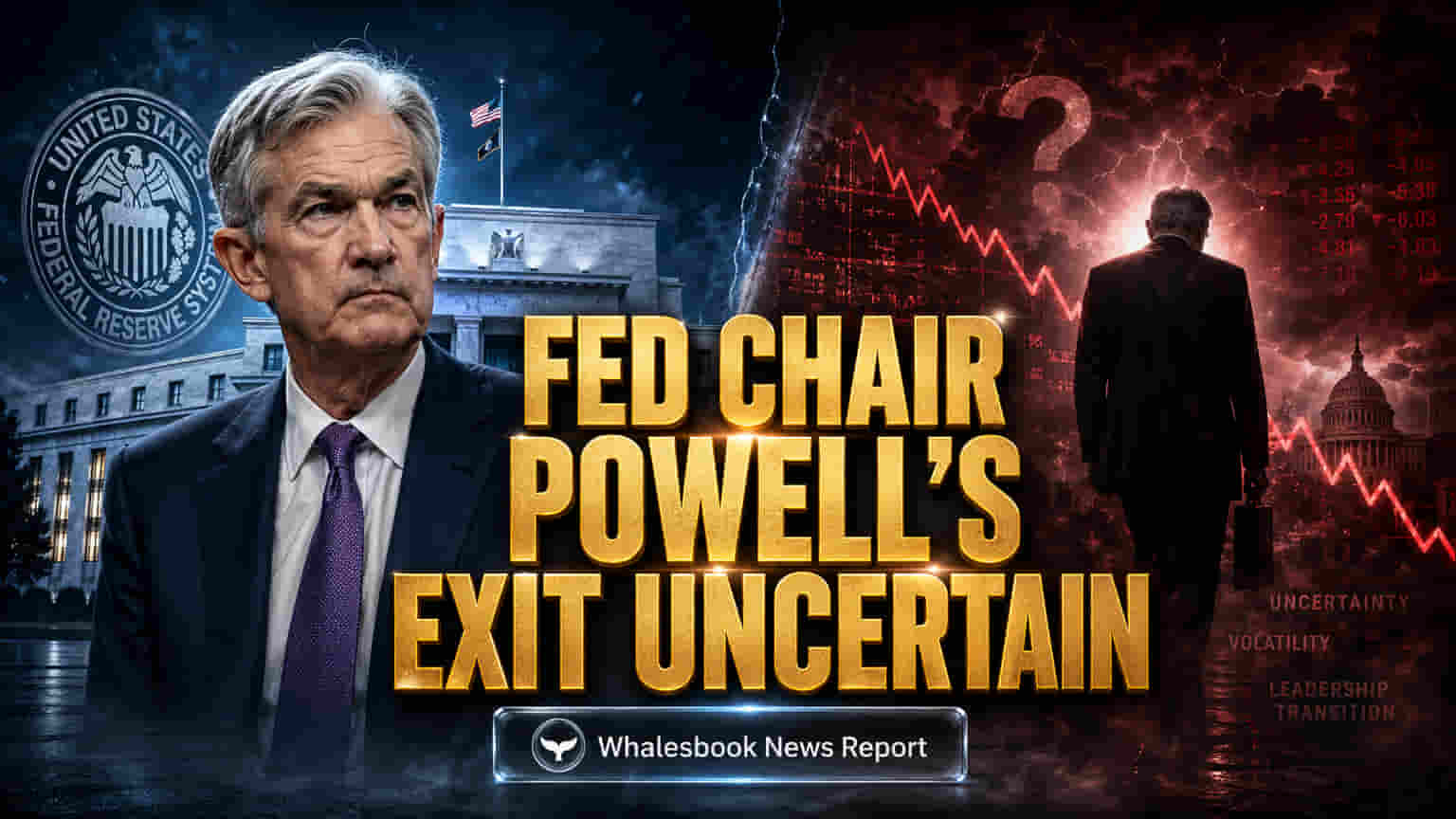


Probe Resolution and Nomination Path
The U.S. Attorney's office for the District of Columbia, led by Jeanine Pirro, announced on April 24, 2026, it was closing its criminal investigation into Federal Reserve Chair Jerome Powell. The probe concerned cost overruns and testimony related to the central bank's extensive building renovations. This decision removes the main obstacle that had delayed the Senate confirmation of President Trump's nominee, Kevin Warsh, to succeed Powell. Senator Thom Tillis, who had vowed to block any Fed nominee until the probe ended, now must decide on advancing Warsh's nomination. A Senate committee vote is scheduled for April 29.
Economic Snapshot and Fed's Position
Powell's term as Chair officially ends May 15, 2026. Markets expect the FOMC's April 28-29 meeting to keep rates unchanged. In March 2026, annual inflation was 3.3 percent, largely due to energy costs. The Fed Funds rate target remained at 3.5-3.75 percent, while the Federal Reserve's balance sheet stood at $6.7 trillion as of April 2026.
Independence Concerns and Warsh's Views
This situation highlights recurring political pressure on central bank independence, a pattern that historically can lead to negative economic outcomes. Unlike some past nominations, the lengthy confirmation process reflects increased sensitivity to executive branch influence on monetary policy. During his confirmation hearing, Kevin Warsh said the Fed "missed its mark" on inflation post-COVID, which saw cumulative price increases of 25-35 percent. He called for a "regime change" in policy. Analysts note the DOJ probe's closure is positive but doesn't eliminate market concerns about Fed credibility.
Risks if Powell Stays and Market Watch
Concerns also persist about potential institutional friction if Jerome Powell remains on the Board of Governors after his term as Chair, a rare and potentially disruptive situation. This could create competing power centers and cloud the central bank's communication. Such friction could erode market confidence, which is crucial for price stability and maximum employment. Gold's rise on news of the probe closure suggests investors had factored in a "Fed independence discount," indicating continued wariness.
Looking Ahead: Fed's Path Forward
With Warsh's confirmation likely, the Fed must focus on maintaining policy clarity and credibility amid economic uncertainties and past political pressures. The April FOMC meeting kept rates unchanged. Market pricing shows a low chance of rate cuts for the rest of 2026, though some analysts expect one later. The Fed's commitment to its dual mandate of price stability and maximum employment will be tested by inflation dynamics and potential leadership questions.