

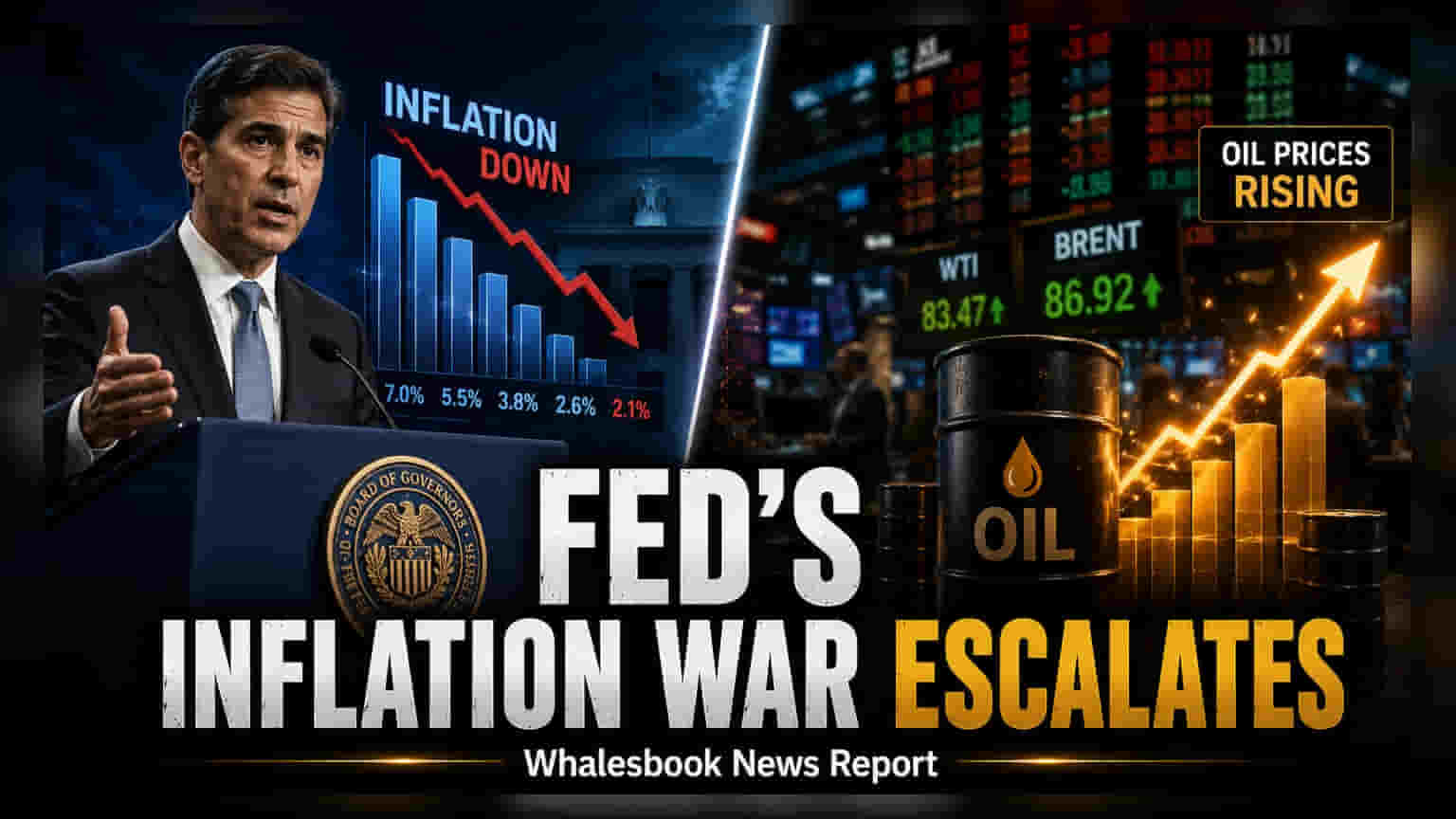
Federal Reserve Chairman Kevin Warsh has emphasized a strong commitment to bringing down high inflation, even as June data showed a rare 0.4% decline in prices. The Fed’s focus remains on price stability, with the next policy meeting scheduled for late July.
Federal Reserve Chairman Kevin Warsh has declared that the central bank will not tolerate persistently high inflation, placing price stability at the very top of its economic agenda. In remarks delivered on Tuesday, Warsh affirmed the committee’s resolve to address the price pressures that have challenged the economy over the past five years. This firm stance comes as the Federal Reserve prepares for its upcoming Federal Open Market Committee meeting on July 28-29.
Impact of June Inflation Data
The Chairman’s comments follow a noteworthy cooling in price data. The Consumer Price Index (CPI) dropped by 0.4% in June, marking its first monthly decline in six years. This dip was driven primarily by lower energy costs, while core inflation—which ignores volatile food and fuel prices—remained stable. On a year-over-year basis, core inflation slowed to 2.6%. Market analysts at Evercore ISI suggest that this milder inflation report provides the Fed with more flexibility, reducing the immediate need for aggressive rate hikes when the committee convenes later this month.
Economic Stability and Emerging Uncertainties
Beyond inflation metrics, Warsh maintained a balanced view of the current economic environment. He characterized the labor market as resilient, noting that wage growth remains healthy and layoff activity stays low. However, the Federal Reserve is also keeping a close watch on the rapid rise of artificial intelligence. While AI investment is currently driving business activity, the committee has expressed uncertainty regarding its eventual impact on long-term productivity, job security, and inflation levels.
Policy Direction and Market Context
Investors are keeping a close eye on the Fed’s trajectory, especially following the June FOMC meeting minutes. Those records showed that while concerns over the labor market have receded, internal debate over inflation remains a priority for policymakers. The Fed has kept the benchmark interest rate steady at 3.5%-3.75% for four straight meetings, but officials remain divided on the necessity of future increases. The main update to watch for in the coming weeks will be the consensus reached at the July meeting, which will provide a clearer picture of whether the current pause in rate hikes will continue or if the central bank will shift toward a tighter policy path.