

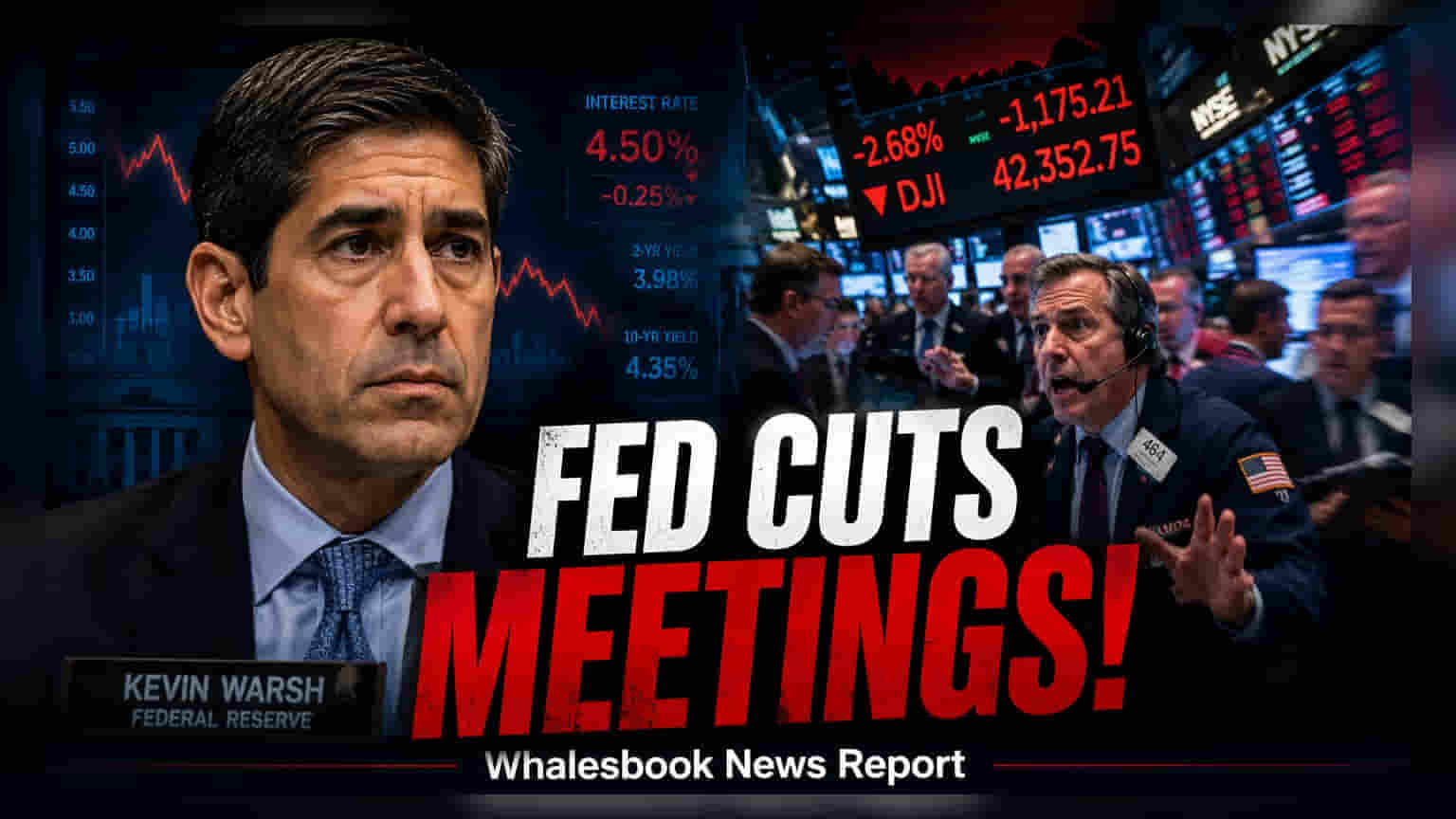
Federal Reserve Chair Kevin Warsh is considering a plan to cut the number of annual monetary policy meetings. This shift would change the current schedule of eight meetings per year, maintained since 1981, and could alter how financial markets anticipate interest rate changes and economic updates.
Federal Reserve Chairman Kevin Warsh has suggested reducing the frequency of the central bank's scheduled meetings to discuss and set monetary policy. This proposal represents a notable potential shift in the operational structure of the U.S. central bank, which has maintained a standard of eight meetings each year for more than four decades. While the proposal is still in the discussion phase, it reflects an effort to re-evaluate how the Federal Reserve communicates its economic strategy to the public and financial institutions.
Impact on Market Communication
Since 1981, the Federal Reserve has followed a consistent meeting cadence established during the leadership of former Chair Paul Volcker. This rhythm allows markets to prepare for regular updates on interest rates, inflation expectations, and job market conditions. By reducing the number of these meetings, the central bank would likely issue policy updates less often. For investors, this could mean that each meeting carries more weight, potentially leading to increased market volatility around policy announcements. Traders and institutional investors rely heavily on these scheduled updates to adjust portfolios, and a less predictable or less frequent schedule could force a shift in how these participants interpret the Fed’s stance on economic conditions.
Historical Context and Crisis Management
The current schedule of eight meetings per year was designed to provide a balance between routine economic management and the flexibility to address unforeseen events. Historically, the Federal Reserve has held unscheduled emergency meetings to respond to major economic shocks, such as the 2007-2009 global financial crisis and the COVID-19 pandemic. By reducing the number of planned meetings, the Federal Reserve might place greater emphasis on these special or emergency sessions to handle urgent economic matters.
Investors will likely monitor further announcements from the Federal Reserve to understand if this proposal will be officially adopted and how it would impact the timing of future interest rate decisions. The primary monitorable for the coming months will be whether this change receives support from other board members and if the Fed releases a detailed plan regarding how it intends to maintain transparency and market guidance under a new meeting framework.