

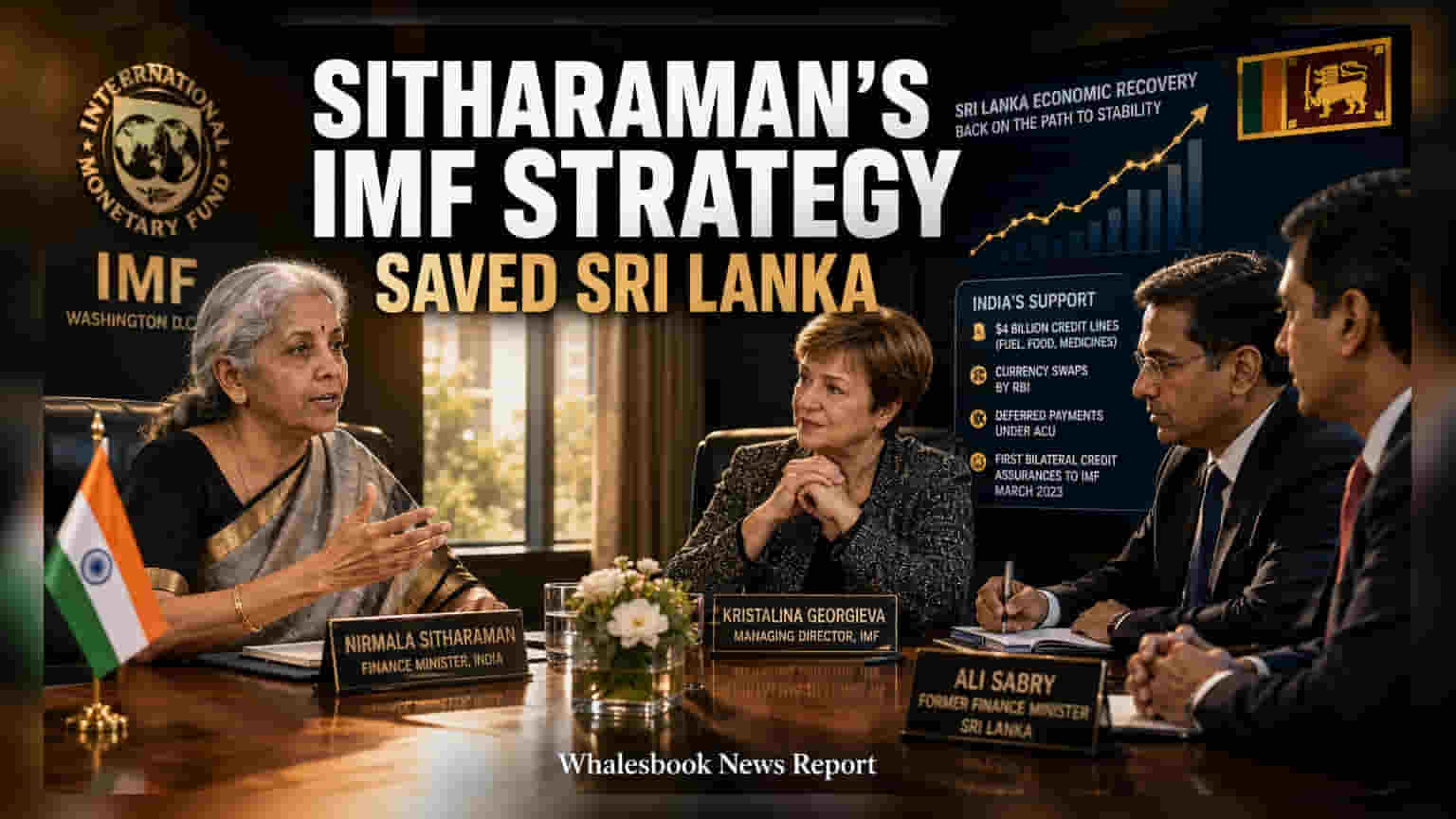
Former Sri Lankan Finance Minister Ali Sabry has credited Union Finance Minister Nirmala Sitharaman’s diplomatic advocacy for securing the IMF bailout that stabilized Sri Lanka's economy. Her direct intervention, supported by India's $4 billion in emergency aid, proved to be a decisive factor in helping the island nation navigate its 2022 collapse.
The economic crisis that gripped Sri Lanka in 2022 left the island nation on the verge of total collapse. With foreign reserves depleted and debt payments suspended, the path to international financial recovery appeared narrow. New details regarding this period have emerged from former Sri Lankan Finance Minister Ali Sabry, who identified Union Finance Minister Nirmala Sitharaman’s diplomatic efforts as a turning point in the country’s interactions with the International Monetary Fund.
According to Sabry, IMF leadership initially expressed skepticism toward Sri Lanka’s recovery prospects following previous failed programs. However, during a pivotal meeting at the IMF-World Bank Spring Meetings in Washington D.C., Sitharaman dedicated significant time to advocating for the nation’s cause with IMF Managing Director Kristalina Georgieva. Sabry noted that the atmosphere surrounding the negotiations shifted immediately after this high-level intervention, opening the door for the formal bailout process.
India’s role extended well beyond diplomatic support. As the crisis deepened, New Delhi positioned itself as the primary lifeline for Colombo. Between February and March 2022, India extended credit lines totaling approximately $4 billion. This assistance included essential imports like fuel, food, and medicines, which helped prevent a total humanitarian breakdown. Additionally, the Reserve Bank of India implemented currency swaps to bolster the liquidity of Sri Lanka's central bank, and India deferred billions in liabilities under the Asian Clearing Union.
The diplomatic and financial efforts culminated in a strategic milestone in March 2023, when India became the first bilateral creditor to provide the written financial assurances required by the IMF to finalize a $3-billion Extended Fund Facility for Sri Lanka. This act of confidence signaled to other international creditors that the nation was on a sustainable, albeit difficult, path toward restructuring.
For investors and observers of regional economic trends, this episode underscores India’s growing influence as a stabilizer in South Asia. By acting as a proactive creditor, India not only secured its immediate neighborhood but also cemented its role as a reliable economic partner. However, the path forward for Sri Lanka remains complex. While the bailout provided breathing room, the nation must continue to navigate challenges related to long-term debt sustainability, geopolitical balancing, and domestic policy reforms. Monitoring how Sri Lanka manages its debt obligations to diverse international creditors will be an important indicator of the country's ongoing recovery and its future economic health.