

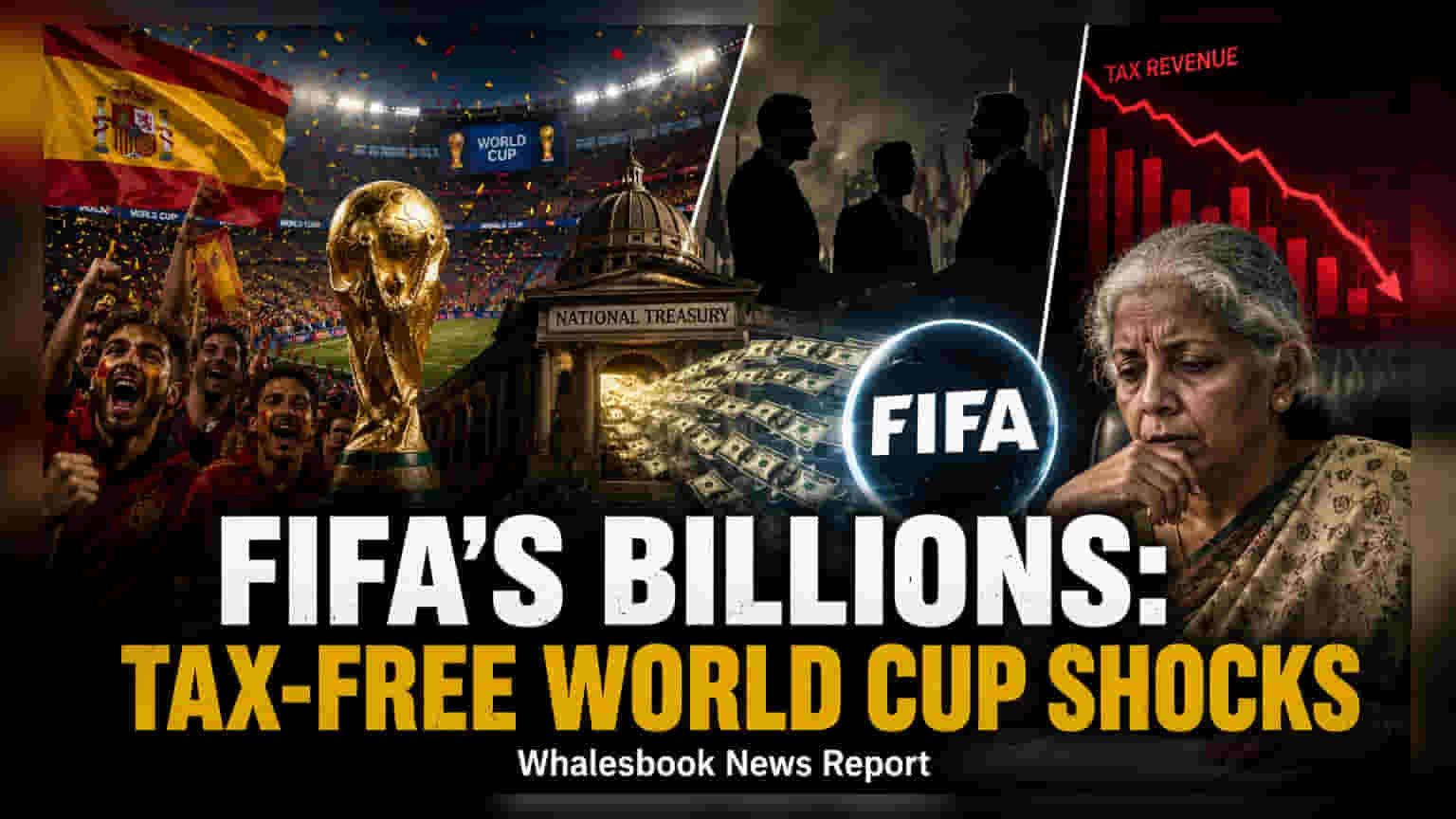
FIFA generated a record-breaking $8.7 billion from the 2026 World Cup while securing significant tax waivers in host nations. This financial structure has sparked criticism over the impact on public infrastructure costs and lost tax revenue for local governments.
Detailed Coverage
The conclusion of the 2026 World Cup has highlighted the massive financial scale of FIFA, the international football governing body. Official figures indicate the tournament brought in over $8.7 billion in revenue, driven by record broadcast deals, global sponsorships, and ticket sales. Despite these substantial gains, the organization’s tax-exempt status as a Swiss-based non-profit remains a point of contention among economists and policy analysts.
Impact on Host Nation Revenues
To secure the hosting rights for the 2026 tournament, participating regions in the United States, Canada, and Mexico agreed to various tax concessions. These waivers often cover income tax, customs duties, and local sales levies. Research from the Institute on Taxation and Economic Policy suggests that these exemptions resulted in millions of dollars in unrealized tax revenue for specific states. For instance, projections indicated significant revenue losses, including approximately $25 million for Georgia and $7.4 million for Florida. In contrast to cities that moved forward with hosting, others like Chicago declined to participate, citing concerns over the potential financial burden on local taxpayers.
The Model of Socialized Costs
Critics argue that while FIFA retains a large portion of the tournament’s profits, the financial burden of hosting—such as infrastructure development, public security, and logistical support—often falls on public entities. This model of shifting costs to taxpayers while shielding tournament income from taxation is not new. Similar structures were observed during the 2010 World Cup in South Africa, where infrastructure spending reached nearly $4.9 billion under stringent FIFA requirements. These recurring financial patterns often lead to public debate regarding the necessity of tax waivers for multi-billion dollar sports organizations. In the Indian context, this has drawn comparisons to discussions surrounding the tax status of major sports bodies like the Board of Control for Cricket in India (BCCI), raising questions about how governing bodies balance global sports development with local economic responsibility.
Investors and policy observers often monitor these developments to understand the long-term economic viability of mega-sporting events. The primary monitorable remains the shift in host-city negotiation strategies, as more local governments begin to weigh the potential for tourism and brand exposure against the direct costs of tax breaks and facility upgrades.