

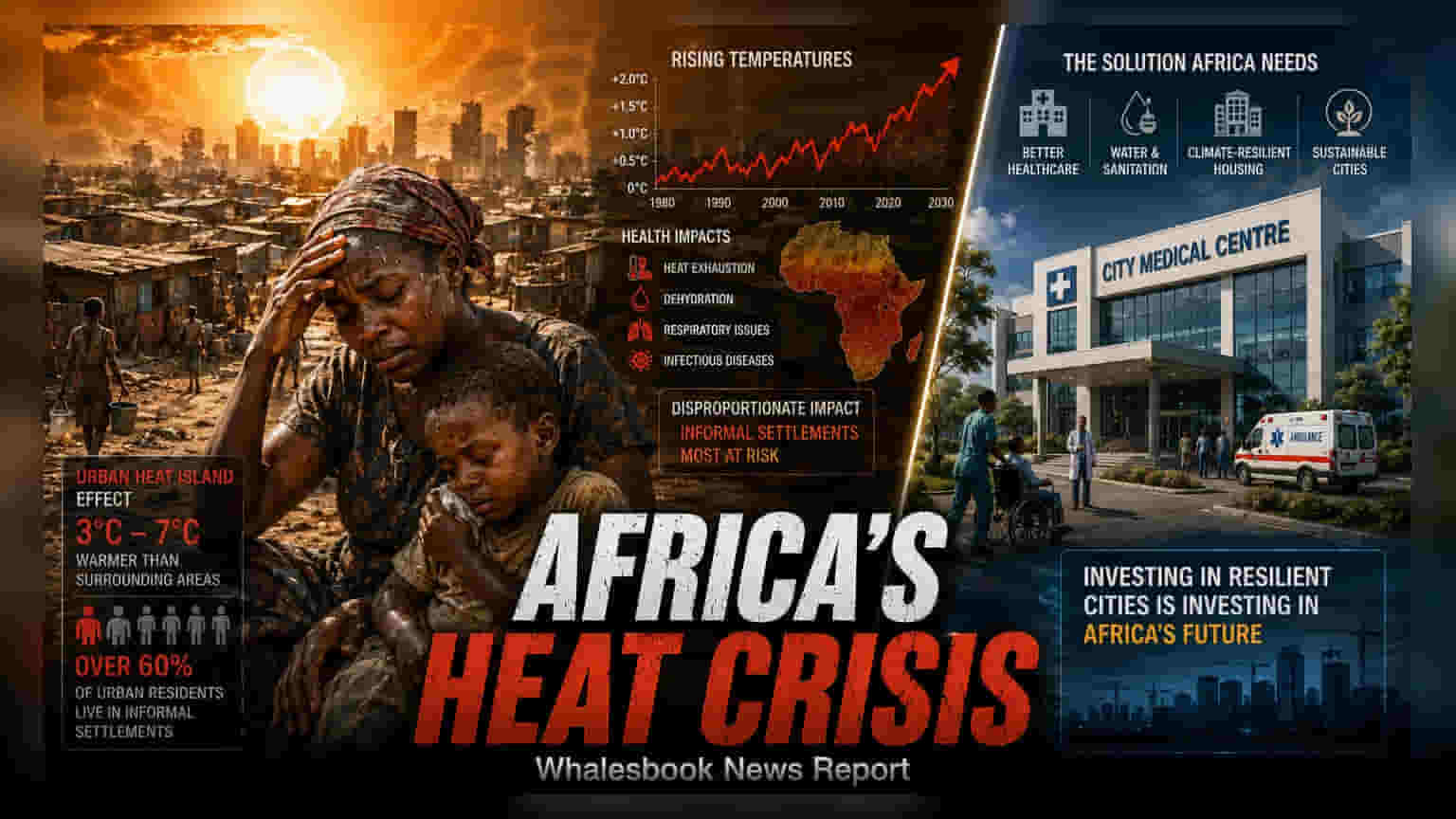
A study published on August 17, 2026, in the journal Climate warns that extreme heat in African informal settlements is deepening inequality and hurting worker productivity. For investors and policymakers, this highlights a growing need for climate-resilient urban infrastructure, as poor living conditions amplify heat-related health risks and strain economic output.
A new research study, published on August 17, 2026, in the journal Climate, has shed light on an escalating crisis in African cities. The study, which synthesized evidence from 21 peer-reviewed papers covering eight African nations, shows that extreme heat is not just an environmental problem but a deep-seated driver of economic inequality. The findings reveal that residents in informal urban settlements are disproportionately exposed to dangerous temperatures, which directly threatens their health and ability to work.
The Economic Link to Urban Heat
While the report focuses on health outcomes, the economic implications for African urban development are significant. The study identified that the 'urban heat island' effect—where cities are significantly warmer than surrounding rural areas—is amplified by structural issues such as poor-quality housing materials, like corrugated metal roofs, and a lack of proper ventilation. This heat exposure directly affects labor productivity. For the vast number of people working in informal sectors or outdoor jobs, extreme heat limits the number of productive hours available in a day, which can directly dampen income levels for the most vulnerable populations.
Furthermore, the study explains that the heat acts as an 'inequality multiplier.' When extreme heat exacerbates pre-existing conditions like cardiovascular, respiratory, and infectious diseases, it leads to increased pressure on limited healthcare resources. For local economies, this translates into higher public health spending and reduced economic participation from those suffering from heat-related illnesses such as dehydration, heat exhaustion, and chronic respiratory issues.
Infrastructure and Investment Gaps
From an investment and development perspective, the research highlights a massive, unmet need for climate-resilient urban infrastructure. Current infrastructure in many of these regions lacks the design capacity to handle rising temperatures. This creates a potential long-term trend where government and private capital must shift focus toward climate-smart urban planning. This includes the demand for better construction materials, energy-efficient cooling solutions, and improved water access infrastructure, which are currently lacking in many informal settlements.
For stakeholders watching the development of emerging markets, the key monitorable will be how policymakers and private developers bridge this infrastructure gap. The transition toward heat-resilient urban development is becoming a necessity for sustaining economic growth. Investors may track future developments in urban planning policies, investments in climate-resilient construction, and initiatives aimed at improving the quality of living environments, as these factors will likely influence the long-term productivity and stability of urban centers in the region.