 Whalesbook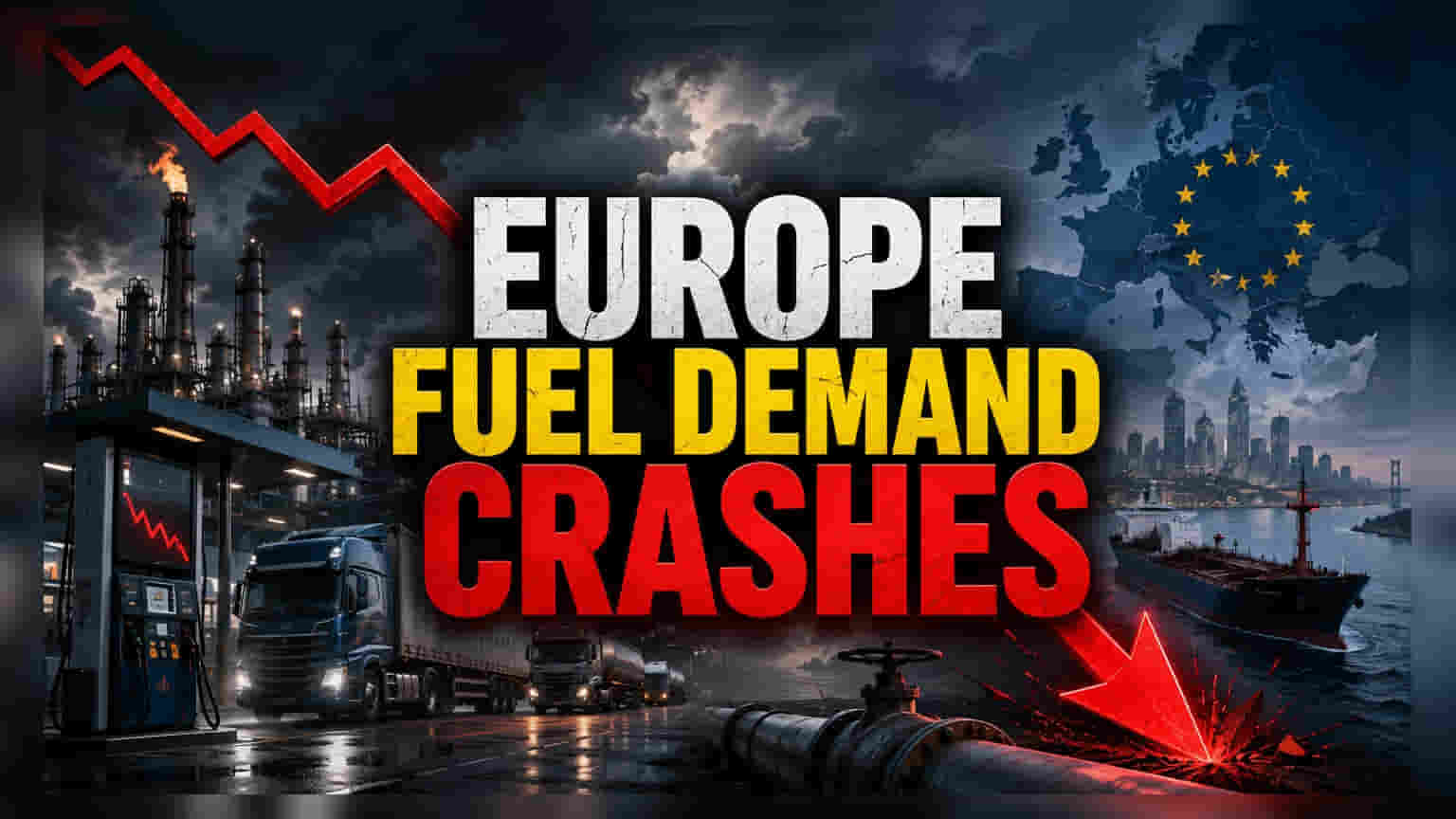


The Macro Contraction Catalyst
The abrupt decline in fuel volume across the eurozone reflects more than mere consumer thrift; it indicates an emerging friction point between sustained inflationary pressures and industrial productivity. While headline data highlights a 3.5% drop, the underlying reality is a rapid erosion of purchasing power. The cost of fuel, exacerbated by geopolitical bottlenecks at the Strait of Hormuz, has forced a recalibration of household and commercial budgets, effectively acting as an unlegislated tax on the broader European economy.
The Resilience Deficit
Unlike previous energy cycles where consumption remained relatively inelastic, the current behavior in Germany, Austria, and the UK points toward a structural pivot. Market participants are observing a divergence between government-led mitigation efforts and actual fuel throughput. While European governments have deployed roughly 11 billion euros in price intervention, these measures have largely failed to stimulate demand, suggesting that supply-side shocks are outrunning fiscal support mechanisms. Analysts note that this divergence typically precedes a slowdown in manufacturing indices, as high energy overheads compress margins for freight and logistics operators, who lack the pricing power to pass these costs onto an already strained consumer base.
The Structural Risk Assessment
Reliance on strategic reserves to soften the current price volatility introduces a dangerous binary outcome for the eurozone. Should the regional climate remain uncooperative or shipping lanes encounter prolonged closure, these stockpiles will be depleted without a corresponding increase in long-term supply stability. Furthermore, the 33.7% spike in diesel prices disproportionately impacts the industrial backbone of the continent. Unlike gasoline, which is tied to personal mobility, diesel demand is heavily correlated with GDP-contributing sectors including trucking, heavy machinery, and manufacturing output. Any sustained reduction in diesel consumption is, therefore, a leading indicator of impending industrial contraction.
Economic Outlook and Policy Sensitivity
Market sentiment remains cautious as volatility continues to disrupt predictable energy procurement cycles. Institutional observers are closely monitoring whether central banks will pivot their interest rate trajectory to offset the drag caused by energy-led inflation, or if the current contraction will be treated as transitory. With energy markets increasingly sensitive to Middle Eastern geopolitical developments, the margin for error in fuel procurement strategy has reached its narrowest point in years, leaving national treasuries vulnerable to prolonged supply chain disruption.