

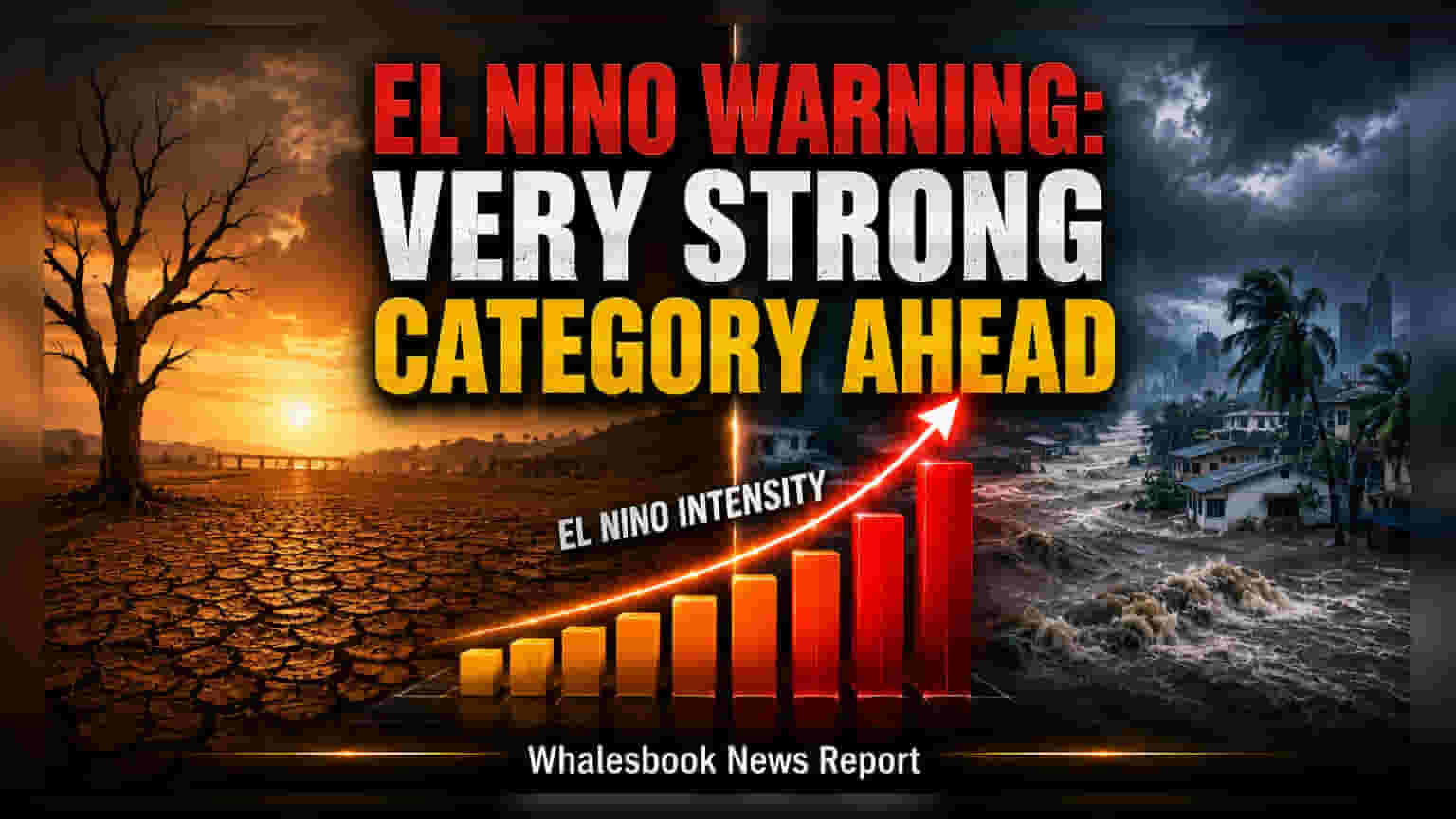
The Indian government has warned that El Nino conditions could intensify to a 'very strong' category between October and December 2026. This weather pattern, characterized by warming sea surface temperatures in the Pacific, is monitored for its potential influence on rainfall, agricultural output, and food inflation trends across India.
The Union government has issued an alert regarding the strengthening of the El Nino phenomenon, which is expected to reach a 'very strong' status during the October-December period. This update follows a steady progression from weak to moderate levels observed since June. The India Meteorological Department (IMD) is currently tracking these oceanic and atmospheric shifts to provide updated forecasts for agricultural and disaster management planning.
Understanding the Impact on Indian Agriculture
For Indian investors and the broader economy, El Nino is primarily monitored for its historical link to rainfall patterns. A 'very strong' El Nino can sometimes disrupt monsoon cycles, potentially impacting Kharif harvest yields and affecting sowing cycles for the subsequent Rabi season. If rainfall is unevenly distributed, it may lead to supply-side constraints for certain essential food commodities. Investors often watch these weather updates as they can influence food inflation data, which in turn plays a role in the Reserve Bank of India’s interest rate decisions. When food prices rise due to supply shocks, it may put pressure on profit margins for consumer goods companies and rural-focused businesses.
Monitoring Regional Weather Variability
While El Nino is a significant climate driver, it is not the only factor affecting Indian weather. Atmospheric conditions and other regional phenomena also play critical roles. The government has clarified that the actual impact over the Indian subcontinent depends on how these ocean-atmosphere conditions evolve. Because of this complexity, the IMD issues daily, impact-based forecasts for the upcoming seven days to help state authorities manage potential risks, such as drought or unseasonal heavy rains in specific regions.
Why Investors Watch the Monsoon
The agricultural sector remains a crucial pillar of the Indian economy, directly influencing rural demand. A favorable monsoon generally supports rural income, leading to higher spending on fast-moving consumer goods (FMCG), tractors, fertilizers, and two-wheelers. Conversely, weather-related risks can lead to rural demand slowdowns. While the government and meteorological agencies are keeping a close watch, the actual economic consequence will depend on the final spatial and temporal distribution of rainfall as the season progresses. Investors will likely look for updates in upcoming quarterly management commentaries from companies heavily dependent on the rural economy to gauge their preparedness for potential weather-related demand fluctuations.