

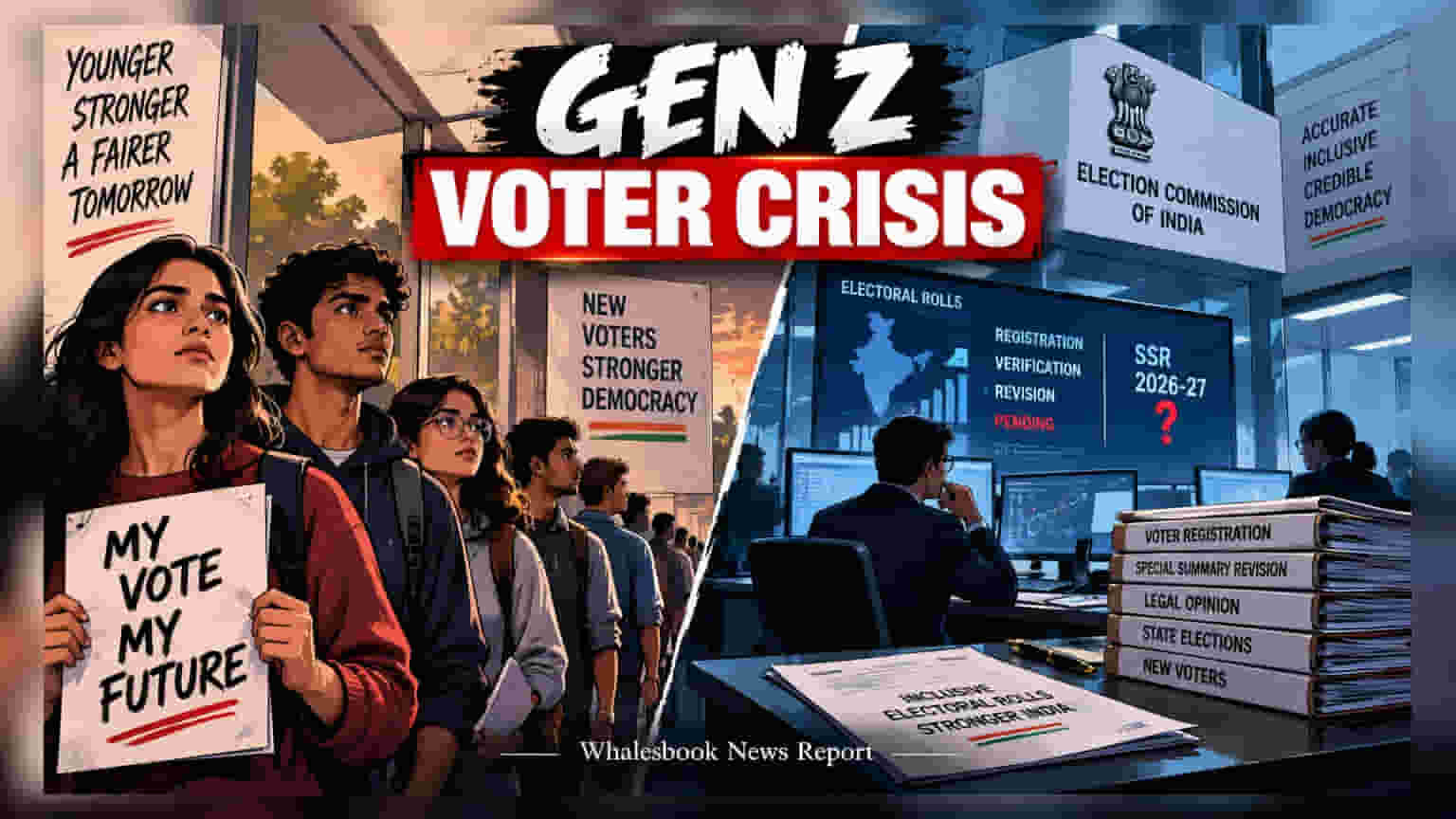
The Election Commission of India is facing questions over the status of its annual Special Summary Revision, a key process for updating voter rolls. Opposition parties allege that the delay may impact new voter registration ahead of upcoming state elections, prompting calls for the commission to clarify its administrative timeline.
The Election Commission of India (ECI) is currently under scrutiny regarding the status of its Special Summary Revision (SSR), the annual administrative process designed to update electoral rolls and include new voters who have reached the age of 18. The SSR is typically conducted in May each year to ensure the voter list remains accurate and inclusive for upcoming democratic exercises.
Reports indicate that this annual revision process has seen delays since the 2024 cycle. The matter has gained attention due to alleged internal discussions within the commission. Some commissioners have reportedly highlighted the importance of resuming the SSR to facilitate the enrolment of new voters. Meanwhile, other reports suggest the commission has sought legal opinions regarding the necessity of this exercise, particularly while concurrent intensive revision efforts, such as those conducted in Bihar, remain underway.
Political parties, including the Congress, have raised concerns regarding these procedural delays. Opposition leaders have argued that any disruption to the voter registration process could disenfranchise younger voters, especially those in states like Uttar Pradesh and Goa, which have upcoming elections. The discussion has also touched upon the broader administrative independence of the poll panel, as observers continue to assess the clarity of the commission's operational schedules.
The Election Commission has previously maintained that decision-making processes regarding its internal operations are unanimous and that differences in internal perspectives are a part of routine administrative deliberations. However, the current lack of a clear announcement for the 2026-27 revision cycle has fueled speculation among political observers and the public.
For those monitoring the stability of the electoral process, the key update to watch will be an official statement from the ECI regarding the schedule and roadmap for the next voter roll revision cycle. Predictability in such institutional procedures is often viewed as important for maintaining confidence in the democratic system, which serves as the foundation for the broader economic and political environment.