

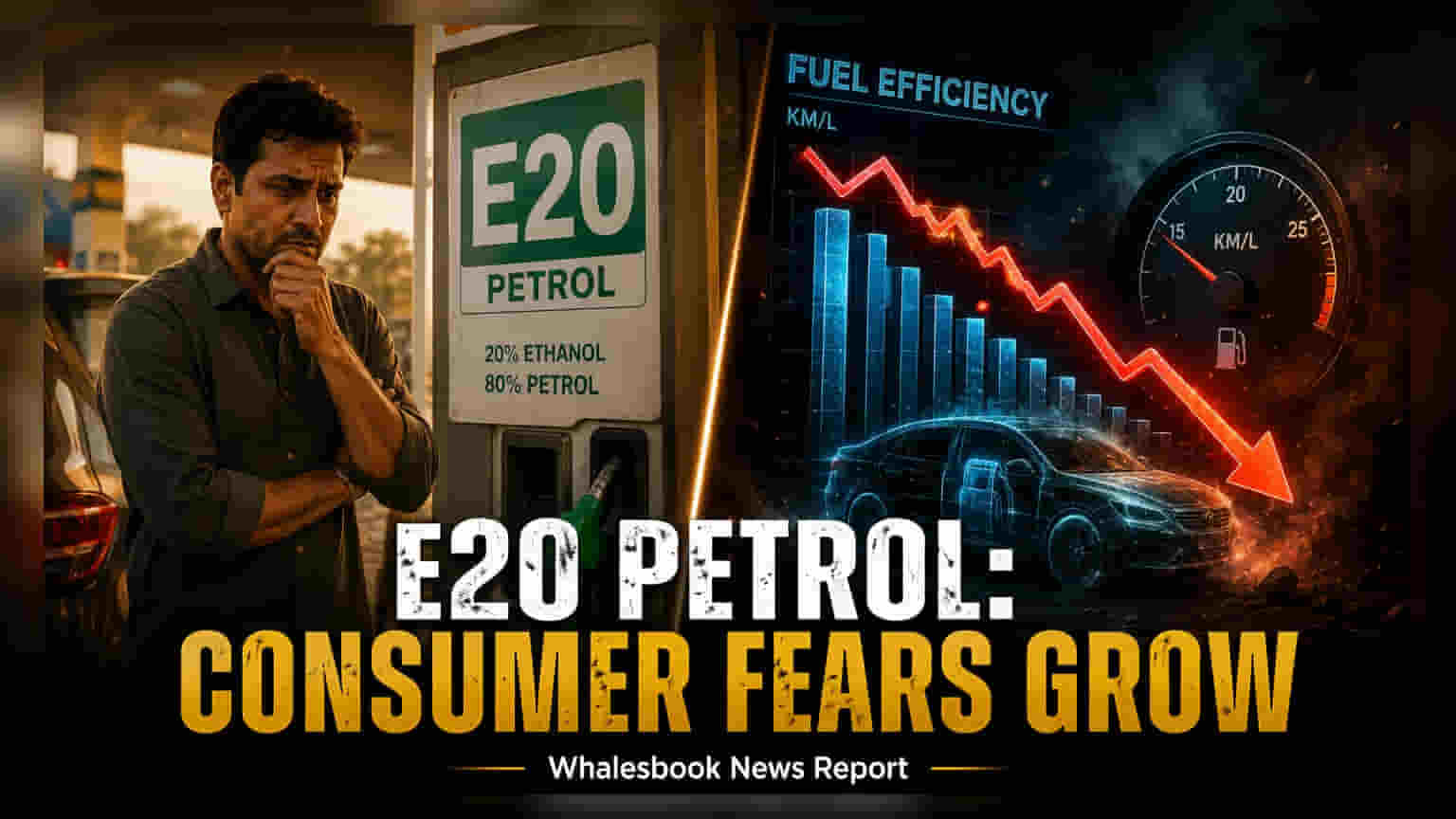
India's shift to E20 petrol, containing 20% ethanol, aims to lower oil imports and support farmers. However, vehicle owners face concerns regarding fuel efficiency, potential engine deposits, and the durability of fuel systems in older car models. Understanding these technical nuances is essential for long-term maintenance and fuel planning.
The transition to E20 petrol—a fuel blend containing 20% ethanol and 80% gasoline—has become a standard reality for Indian motorists. While the government promotes this move to reduce dependency on crude oil imports and create value for the agricultural sector, the shift has prompted questions among consumers about the long-term health of their vehicles.
Technical Compatibility and Engine Wear
Research from the Automotive Research Association of India (ARAI) provides a clearer view of how different engines handle the higher ethanol blend. For two-wheelers, the data generally suggests that engine durability is not significantly affected. However, the situation for four-wheelers is more varied. Testing has indicated that turbocharged engines may experience increased deposit formation when running on E20 over long periods. Additionally, older vehicles that were calibrated specifically for E10 fuel—which contains only 10% ethanol—may encounter faster wear on fuel system components. This is primarily because ethanol is hygroscopic, meaning it absorbs water, and its chemical properties can act as a solvent on certain types of older rubber seals and fuel lines.
Impact on Fuel Efficiency and Maintenance
One of the most practical concerns for investors and vehicle owners is fuel economy. Because ethanol contains less energy per liter than conventional petrol, a drop in mileage is technically expected. While industry estimates suggest this decrease is generally modest, the actual impact on a specific vehicle depends on factors such as engine design, maintenance history, and typical driving conditions. For those managing fleet operations or personal vehicle budgets, tracking fuel consumption trends over time may provide a clearer picture of the financial impact. Automobile manufacturers have largely reassured the public that newer vehicles sold in recent years have been tested for E20 compatibility, yet this remains a point of caution for owners of older, pre-E20 certified models.
Future Policy and Consumer Clarity
The Indian government is continuing to pursue its biofuel roadmap, with discussions already moving toward even higher blends like E25 and the introduction of flex-fuel vehicles. These future iterations will require specific engine engineering and are not compatible with standard petrol engines currently on the road. For the automotive industry, the challenge remains to maintain engine performance and consumer trust as fuel standards evolve. Investors monitoring the automotive and energy sectors should track how effectively manufacturers communicate these technical changes to customers and whether future regulatory updates will include clearer guidelines for maintaining older vehicle fleets under these changing fuel specifications.