

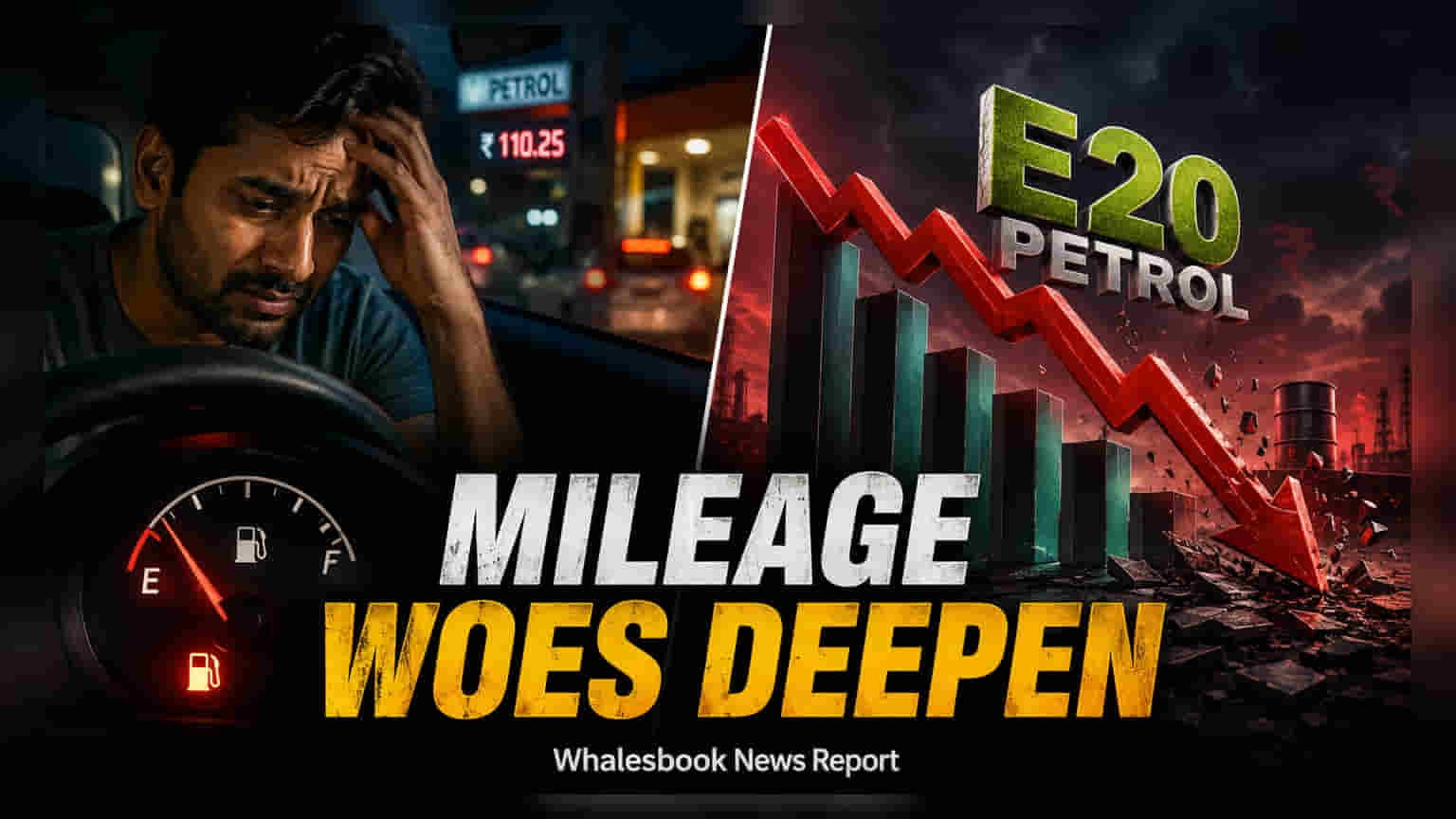
Political opposition is challenging India's E20 ethanol-blending mandate, citing a 2021 NITI Aayog report that recommended a phased rollout and consumer safeguards. Critics argue that the government bypassed these measures, leading to concerns over vehicle compatibility and reduced fuel efficiency for older models.
The central government’s push to achieve 20% ethanol-blended petrol, known as E20, has triggered a significant debate regarding policy implementation and consumer impact. Opposition leaders are referencing a 2021 report from NITI Aayog titled 'Roadmap for Ethanol Blending in India 2025' to argue that the nationwide transition has overlooked essential phased-in protections for vehicle owners.
Concerns Over Fuel Efficiency and Engine Compatibility
A primary point of contention is the impact on vehicle performance. The 2021 NITI Aayog report projected a decline in fuel efficiency of approximately 6-7% for older four-wheelers and 3-4% for two-wheelers designed to run on pure petrol. While official studies by the Automotive Research Association of India often cite more conservative figures for efficiency drops, many vehicle owners have reported noticeable reductions in mileage since the higher ethanol blend became standard. Additionally, the report highlighted technical risks, including potential corrosion or degradation of rubber and plastic fuel system components in older vehicles not specifically engineered for high-ethanol exposure.
Regulatory and Implementation Questions
The debate has gained traction following recent judicial discussions where the government’s ethanol policy was scrutinized. Critics claim that the original roadmap suggested maintaining E10 fuel as a protective measure until 2025, a provision they argue was not adequately prioritized during the move to E20. This has led to calls from opposition figures, such as Congress leader Priyank Kharge, for a reassessment of the policy. The government maintains that the E20 transition is a crucial step toward reducing dependence on crude oil imports, improving energy security, and lowering carbon emissions, noting that the country achieved its blending targets significantly ahead of the original timeline.
Government Stance and Global Context
In its defense, the administration points to international precedents to validate the move toward biofuels. By highlighting successful ethanol programs in countries like Brazil, which utilizes significantly higher blends, and the United States, which uses E10 and E15, the government argues that India is aligning with global energy trends. The official position remains that the current E20 program is grounded in scientific research and that further increases in blending percentages will be subject to additional testing and collaboration with industry stakeholders.
For investors and the automotive sector, the next phase will involve monitoring how manufacturers adjust engine designs and component specifications to ensure long-term durability. Market observers will also track any future government notifications regarding the availability of alternative fuel grades and whether specific tax incentives or consumer compensation measures are introduced to address the concerns raised by the compatibility of older vehicle fleets.