

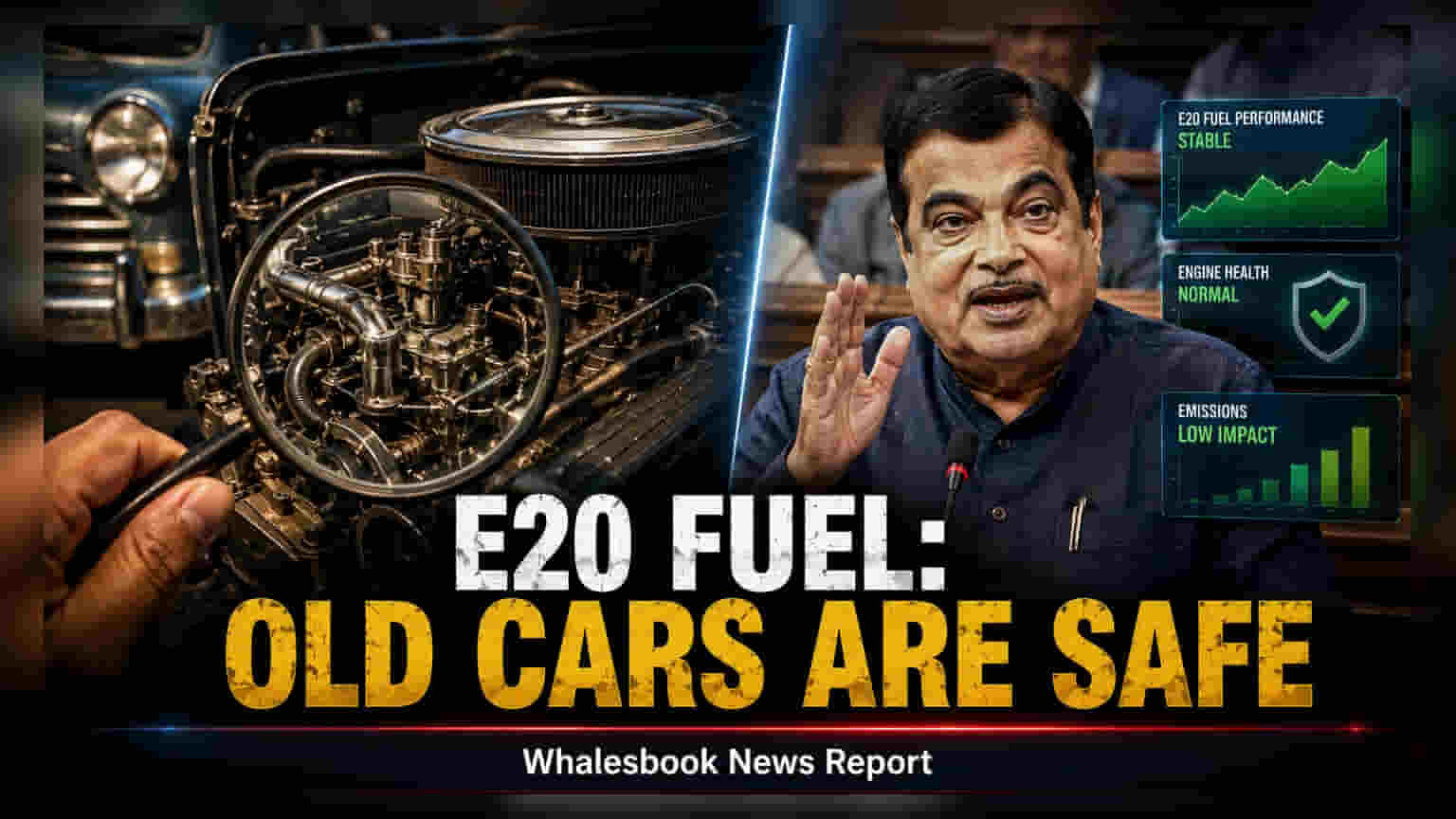
Union Minister Nitin Gadkari has confirmed that E20 ethanol-blended fuel does not negatively impact the performance of older vehicles. While some BS-III cars may need minor rubber component replacements, authorities clarified that mileage concerns are largely due to maintenance and driving habits rather than the fuel itself.
Union Minister for Road Transport and Highways Nitin Gadkari has provided clarity in Parliament regarding the use of E20 fuel, which contains 20% ethanol blended with petrol. Addressing concerns from vehicle owners, the minister stated that studies conducted by the Automotive Research Association of India (ARAI) and the Society of Indian Automobile Manufacturers (SIAM) have shown no major performance issues or unusual engine wear in older vehicle models.
Compatibility for Older Models
The government highlighted that while most vehicles can handle the ethanol blend, specific attention is needed for older models. Vehicles manufactured under the BS-III emission standards, which were produced between 2005 and 2016, may require the replacement of certain rubber gaskets and components. This is a precautionary measure to prevent material degradation over time when exposed to higher ethanol content. The minister noted that this does not constitute a systemic engine failure risk but rather a maintenance update for long-term vehicle health.
Factors Influencing Fuel Efficiency
Public discussions have often focused on a potential drop in fuel efficiency, or mileage, when using E20 petrol. However, the ministry emphasized that mileage is a complex metric influenced by multiple factors beyond the fuel itself. These include consistent vehicle maintenance—such as clean air filters and proper engine oil levels—as well as tire pressure, wheel alignment, and individual driving styles. Testing agencies have concluded that fuel type alone is not responsible for significant variations in efficiency compared to standard petrol.
Background on Ethanol Blending
The rollout of E20 fuel is part of a national strategy to reduce oil imports and lower carbon emissions. The government’s decision was based on findings from an inter-ministerial committee formed under NITI Aayog in December 2020. This committee, alongside inputs from Indian Oil and industry bodies, established a consultative framework for the phased introduction of ethanol blending across the country.
For investors and the automobile sector, the confirmation suggests that the transition to cleaner fuels is proceeding with verified safety standards. The industry has not reported any widespread mechanical failures directly linked to the ethanol blend, countering concerns previously raised in public forums. The next phase for stakeholders will be observing how vehicle manufacturers adapt service schedules and material specifications for newer models to ensure long-term compatibility with evolving fuel standards.