

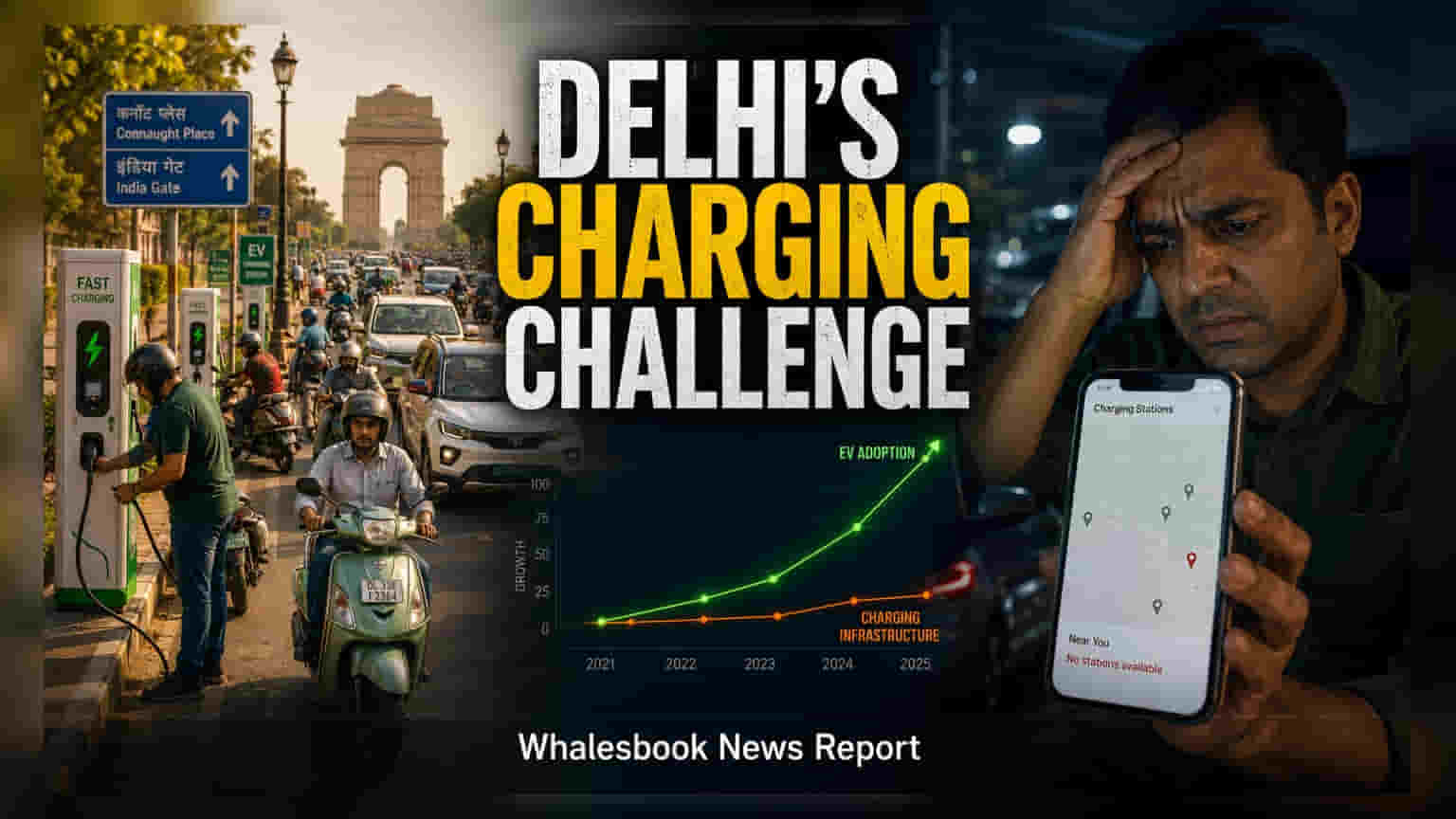
Delhi aims to electrify all new three-wheeler registrations by 2027 and two-wheelers by 2028. The policy uses subsidies and tax waivers to drive adoption, but success depends on rapid expansion of charging networks and electricity grid upgrades to handle increased demand.
The Delhi government has introduced an aggressive electric vehicle (EV) policy aimed at transforming its local transportation sector. By 2027, the mandate requires all new three-wheeler registrations to be electric, followed by a similar requirement for two-wheelers in 2028. This move targets the segment that makes up approximately 70% of the city’s vehicle population, seeking to lower vehicle emissions in one of India's most polluted urban regions.
Policy Incentives and Market Impact
To encourage this shift, the government is offering financial subsidies to buyers alongside waivers on registration fees and road taxes. The policy also encourages the retirement of older internal combustion engine vehicles through scrappage incentives. By providing these benefits, the administration aims to make the upfront cost of EVs more competitive compared to traditional petrol and diesel models. Automakers operating in these segments now have a clear regulatory timeline, which is expected to influence their production planning and inventory distribution in the National Capital Region.
Infrastructure and Grid Readiness
The viability of this transition faces practical tests, primarily concerning the availability of charging stations. Currently, the charging network is limited, which creates range anxiety for vehicle owners accustomed to the convenience of petrol stations. Furthermore, the increased electricity demand for large-scale EV charging requires substantial upgrades to the existing power grid. To manage the load, experts suggest that the integration of battery storage systems at charging sites and the implementation of time-of-day pricing models could help balance energy consumption during peak periods.
Balancing Energy and Execution
Beyond building charging points, the environmental effectiveness of this policy is tied to the source of electricity. Relying on fossil-fuel-heavy power to charge EVs would only shift emissions from the vehicle tailpipe to power plants. Consequently, the government's ability to integrate renewable energy into the grid and coordinate with neighboring states for cleaner power supply will be a deciding factor in the long-term success of this initiative. For stakeholders, the speed at which charging infrastructure scales and the reliability of grid upgrades will be the primary metrics to monitor over the next 18 to 24 months.