

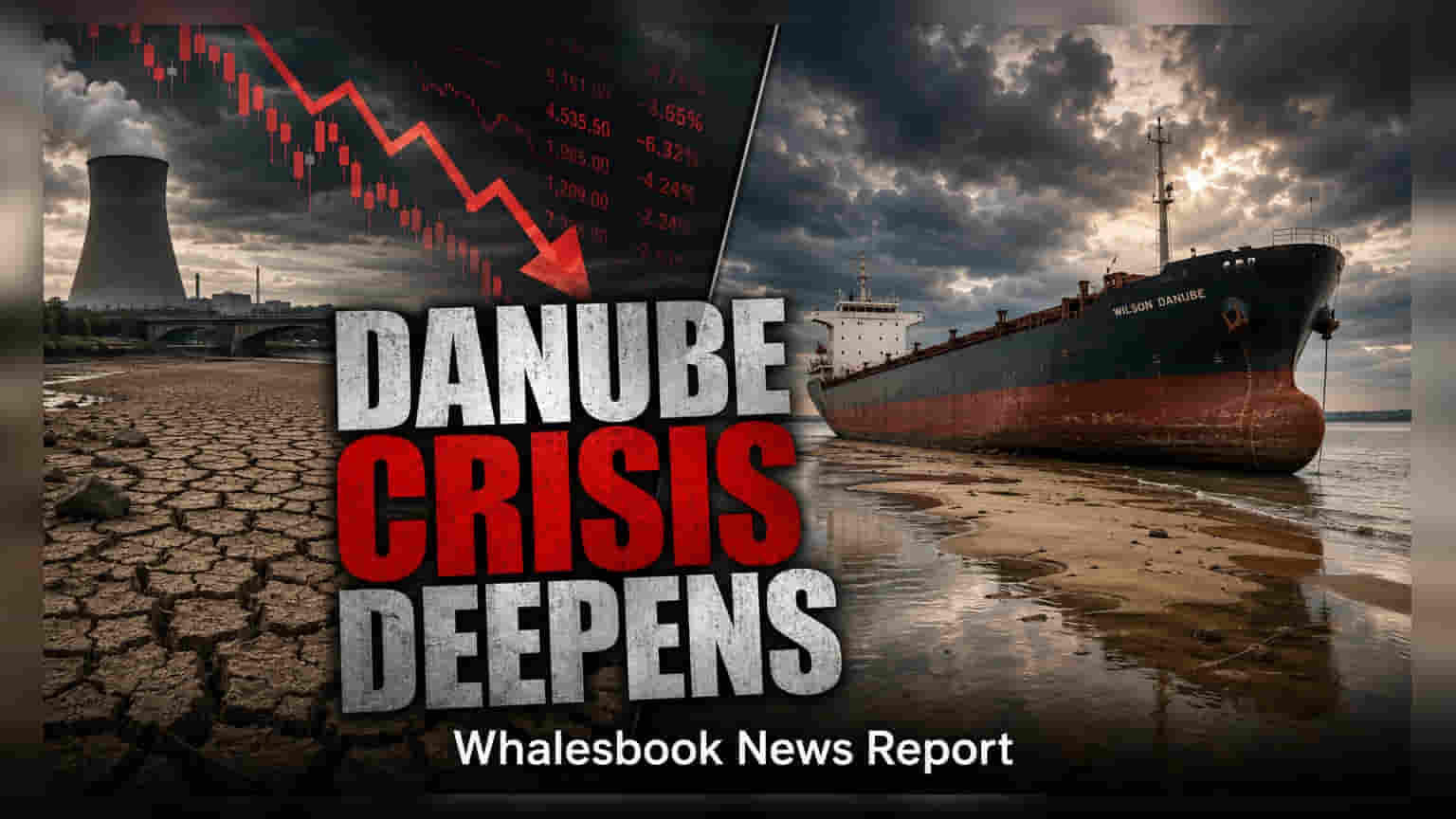
The Danube River has reached a historic low of 23 centimeters in Budapest, disrupting cargo shipping and forcing nuclear power plants in Romania and Hungary to reduce operations. This environmental crisis creates significant pressure on regional supply chains and energy stability, impacting sectors that rely on the waterway for transportation and cooling.
The Danube River, a vital waterway for Central European trade and energy, has fallen to a record low of 23 centimeters in Budapest. This level, recorded on Wednesday, breaks the previous historical low of 33 centimeters set in 2018. With temperatures in the region consistently exceeding 38 degrees Celsius and no immediate rain in the forecast, the river remains under extreme pressure, creating secondary risks for industries that depend on it.
Impact on Trade and Logistics
Logistics and shipping companies operating along the Danube are facing severe operational disruptions. Cargo transport has largely ground to a halt, as low water levels make the river impassable for larger commercial vessels. Many cargo ships are currently stranded, particularly near Novi Sad in Serbia, leading to delays in the movement of raw materials and goods across the region. The tourism sector is also feeling the strain, with cruise lines docking well away from intended destinations and passengers facing emergency evacuations after vessels ran aground in shallow sections near Vidin, Bulgaria.
Energy Sector Vulnerability
The drought has extended its reach into the energy sector, raising concerns about power stability in countries heavily dependent on the river for cooling. Romania’s Cernavoda nuclear power plant has already taken one reactor offline due to a lack of sufficient cooling water, with a second unit facing similar operational risks. Similarly, Hungary’s Paks nuclear power station, which provides a significant portion of the country's electricity, has begun scaling back operations on a reactor unit as a safety precaution. These shutdowns highlight the risks associated with climate-driven resource scarcity for utility companies and the potential for increased electricity costs in the region if generation remains suppressed.
Public Safety and Infrastructure
Beyond trade and energy, the receding waters have created unexpected safety hazards and logistical challenges. In Budapest, the low water level exposed a World War II-era bomb near the Margaret Bridge, requiring immediate area closures for removal operations. Additionally, the exposure of shipwrecks and various submerged debris along the riverbed has necessitated increased monitoring by local authorities to ensure public safety.
For regional businesses and investors, the key monitorable will be the duration of these extreme weather conditions. The ability of transport companies to find alternative logistics routes and the capacity of nuclear power operators to maintain grid stability without access to traditional water cooling levels will determine the long-term economic impact of this environmental event.