

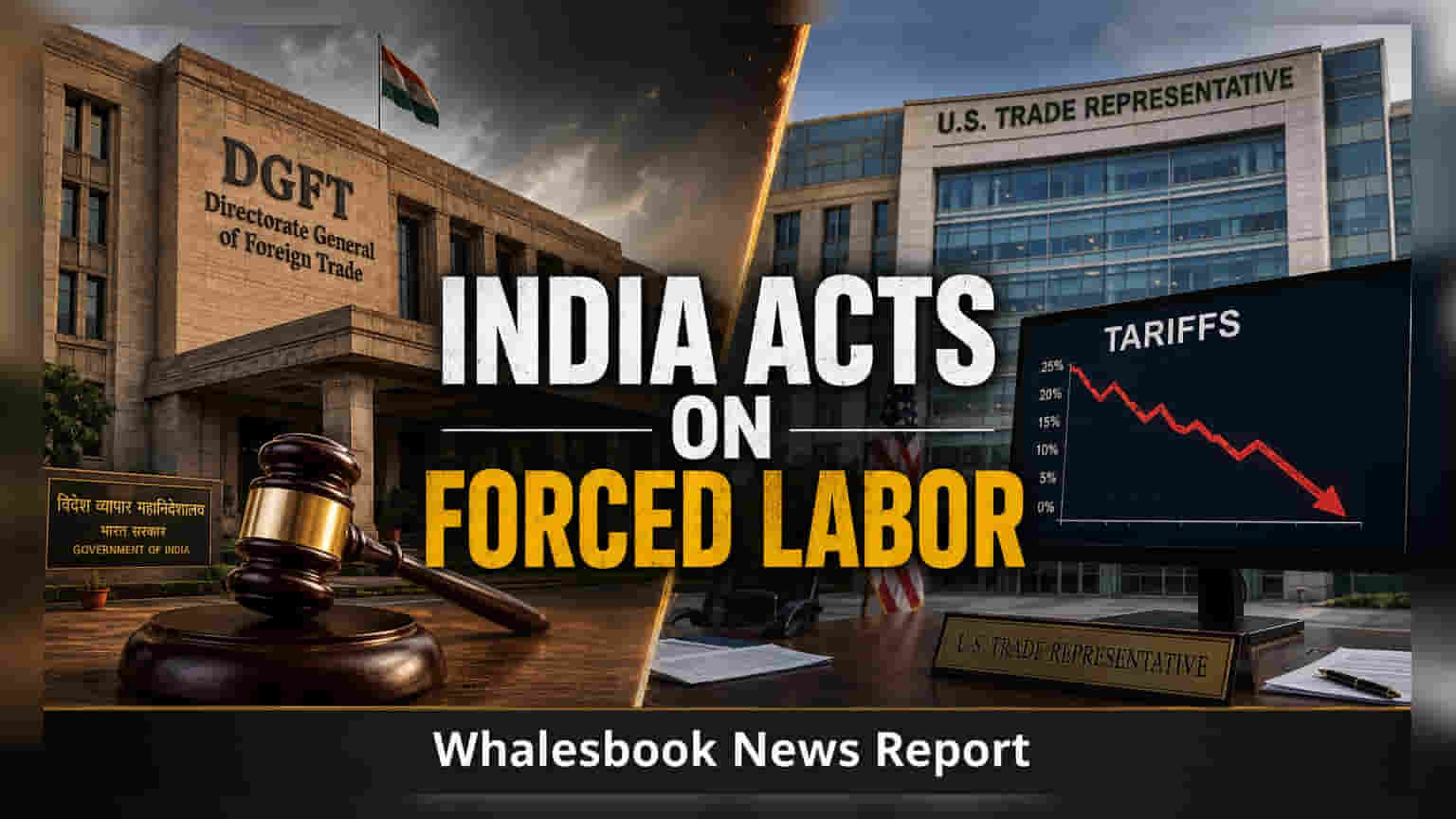
India’s DGFT has introduced a formal framework to investigate and potentially ban imported goods linked to forced labor. This policy update serves as a proactive measure to address international trade concerns, particularly regarding scrutiny from the US. The move strengthens India's regulatory alignment with global ethical trade standards.
The Directorate General of Foreign Trade (DGFT) has officially amended the Foreign Trade Policy 2023 to include a structured process for investigating imported goods suspected of being manufactured through forced labor. According to the public notice issued on July 13, 2026, the government has empowered itself to conduct thorough inquiries to determine whether products entering the Indian market are produced under unethical labor conditions.
Investigative Powers and Process
Under the new framework, the DGFT can launch investigations either on its own initiative or in response to credible complaints. This authority allows the regulator to demand detailed documentation and evidence from importers, exporters, and manufacturers involved in the supply chain. To ensure a comprehensive review, the DGFT is authorized to collaborate with various government ministries and seek professional insights from both domestic and international bodies.
If an investigation concludes that forced labor was used in the production of imported goods, the DGFT has the power to recommend a complete ban on those items. Such a prohibition would be executed under the Foreign Trade (Development and Regulation) Act, 1992. This measure provides a clear legal pathway for the government to curb unethical trade practices.
Strategic Response to Global Trade Scrutiny
This policy shift comes as India addresses international trade tensions. Recently, the Office of the United States Trade Representative (USTR) proposed potential tariffs of 12.5 percent on imports from several nations, including India, citing concerns over the alleged failure to effectively block goods made with forced labor. India had previously challenged these proposals, maintaining that its existing legal framework was already sufficient to combat such issues and arguing that the US lacked concrete evidence for a country-specific trade penalty.
By formalizing these investigation rules, India is signaling a stricter commitment to international labor standards. For investors and businesses, the development highlights a shift toward more rigorous supply chain due diligence. Companies that rely heavily on imports may need to strengthen their compliance monitoring to ensure their supply chains remain free from forced labor allegations, as any identified violations could lead to sudden import restrictions or administrative scrutiny.
The key monitorable for the industry will be the speed and transparency with which the DGFT conducts these new inquiries. Future updates on how the DGFT selects items for investigation and the impact of these potential bans on specific commodity imports will be critical for businesses involved in international trade.