

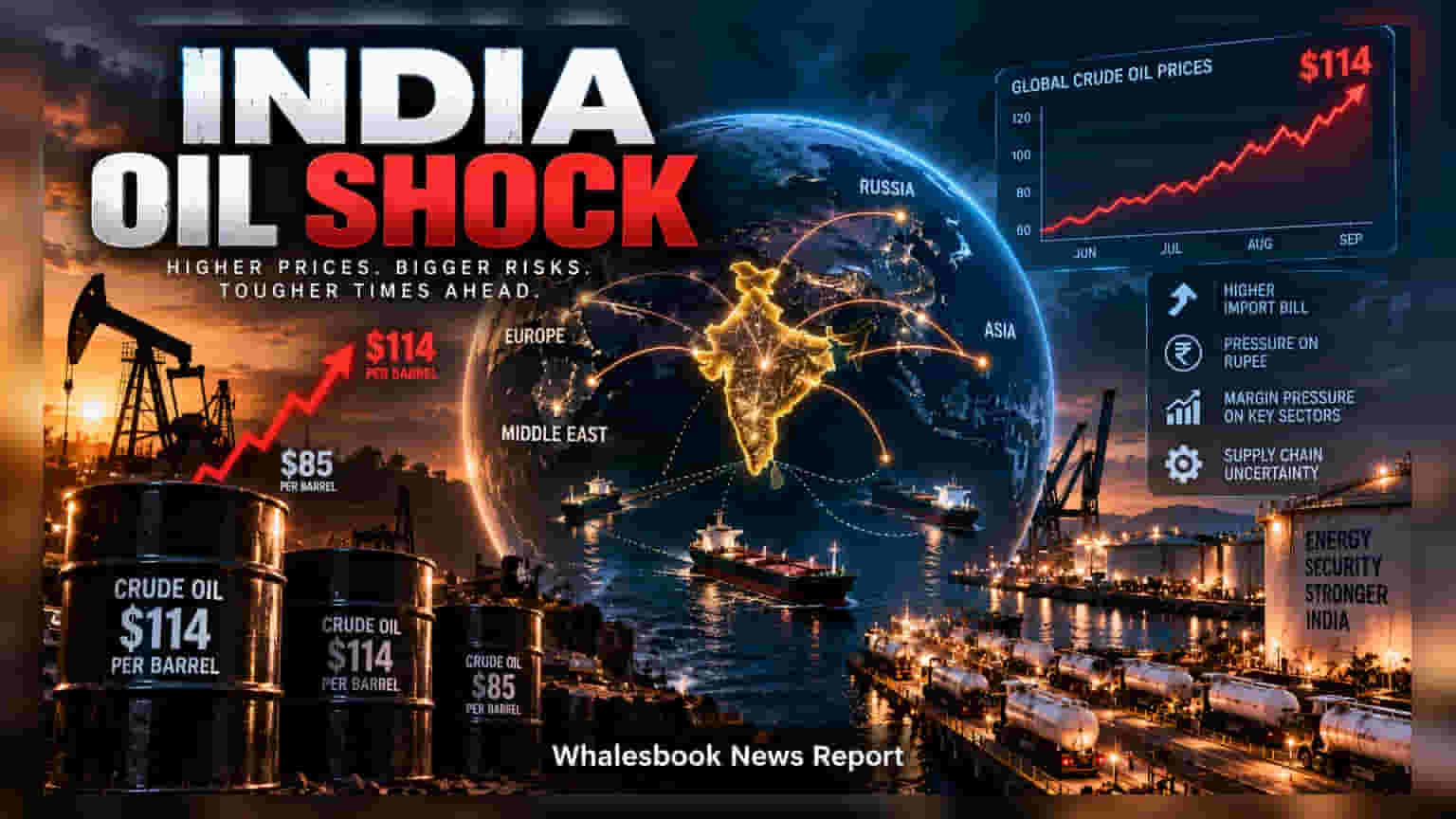
Global crude oil prices have climbed to $114 per barrel, marking a 30% rise since summer. Chief Economic Adviser V Anantha Nageswaran warns this structural shift, driven by AI energy demand and geopolitical tensions, poses persistent inflation risks for India. Investors should monitor the impact on corporate margins and trade stability as the economy adapts to higher energy costs.
Global crude oil prices have surged to $114 per barrel, representing a significant jump from the $85 levels seen during the summer months. This escalation, which saw India’s imported crude basket climb nearly 30% between August and September, has prompted a warning from Chief Economic Adviser V Anantha Nageswaran regarding the nation's economic stability.
Structural Shifts in Global Energy
This rise in prices signals a departure from the disinflationary period that defined the global economy between 1990 and 2020. The current economic landscape is being reshaped by more than just supply-side constraints, such as the conflict in Ukraine and geopolitical tensions in the Persian Gulf. Economic policy is increasingly focusing on trade, technology, and energy as strategic tools. For India, maintaining strategic autonomy while managing the costs of energy procurement has become a critical challenge. The government is now emphasizing a pivot from basic self-reliance to building systemic resilience to manage these persistent supply chain frictions.
The Impact of AI Infrastructure
One of the most notable contributors to the new energy reality is the rapid expansion of artificial intelligence infrastructure. The massive power requirements of AI data centers are creating a structural, long-term demand for electricity that competes with traditional resource consumption. Even if geopolitical hostilities were to ease, this new demand layer is expected to keep commodity and energy costs elevated. As the global economy relies more heavily on physical resources to support technology, the competition for energy will intensify. This may put pressure on growth opportunities for emerging economies, including India, which are heavily dependent on energy imports.
What This Means for Investors
For the Indian stock market and the broader economy, persistent inflation and high energy costs create several areas of pressure. Companies in sectors that are heavy users of crude-based products, such as paint manufacturers, tyre makers, and aviation companies, may face continued pressure on their profit margins if they are unable to pass on these costs to consumers. Additionally, Oil Marketing Companies (OMCs) often face challenges when global crude prices rise sharply, as retail fuel pricing in India is subject to regulatory and social considerations.
Beyond individual sectors, high oil prices typically exert pressure on India’s Current Account Deficit and the Indian Rupee. A weaker rupee can increase the cost of other imports, further feeding into domestic inflation. Investors may want to track forthcoming macroeconomic data, such as trade balance reports and official commentary from the Reserve Bank of India, to understand how these global energy pressures are being managed within the domestic economy.