

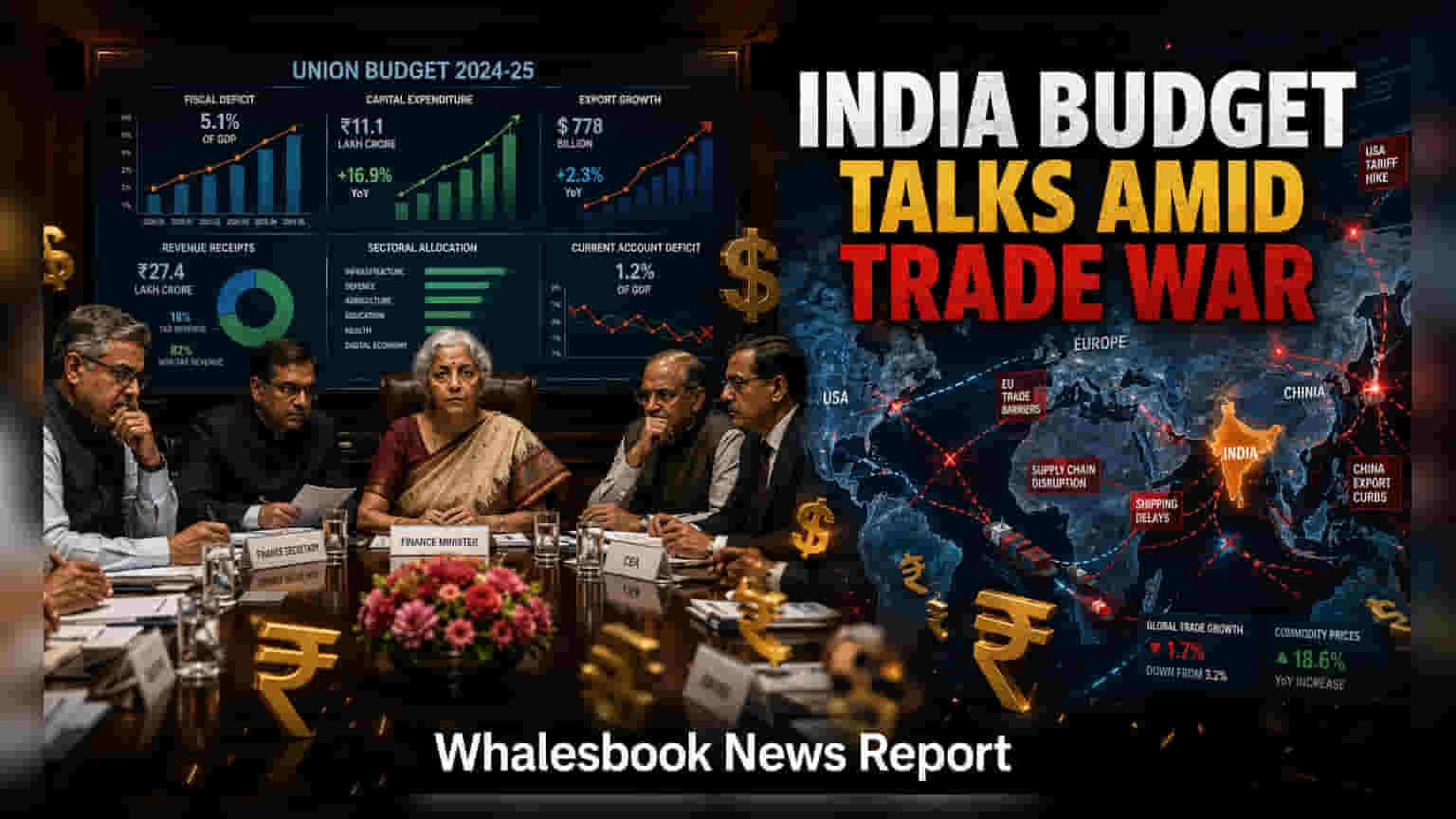
The Commerce Ministry has started seeking industry proposals for the 2027-28 Union Budget to address trade challenges. Stakeholders must submit data-backed recommendations on customs and tax reforms, excluding GST issues. The focus remains on improving export competitiveness amid global geopolitical volatility and shifting tariff environments.
The Ministry of Commerce and Industry has officially launched the consultation process for the 2027-28 Union Budget. The government is reaching out to various export promotion councils and industry associations to gather suggestions on tax, customs, and procedural reforms. This exercise is taking place against a backdrop of global trade uncertainty, including supply chain disruptions and new tariff policies in the United States, which have increased the cost of doing business for Indian exporters.
Prioritizing Actionable Reforms
To ensure the budget process remains efficient, the Ministry has introduced strict guidelines for submissions. Proposals concerning the Goods and Services Tax will not be considered, as these fall under the jurisdiction of the GST Council. Additionally, the government has requested that industry bodies refrain from submitting old demands that have already been rejected. If an industry representative chooses to resubmit a past proposal, they must now provide a detailed justification and demonstrate why the situation has changed over the last three years to warrant a fresh review.
Data-Backed Requirements
For any suggestion involving changes to customs duties, the Ministry now requires a comprehensive data dossier. This includes current import and export statistics, domestic demand-supply patterns, and price trend analysis. Furthermore, stakeholders must clearly explain the expected impact of their proposed changes on domestic manufacturing and the overall economy. This high bar for documentation is designed to prioritize proposals that can be easily analyzed and implemented by the Finance Ministry.
Export Competitiveness and Past Trends
Exporters are expected to seek support through schemes such as the interest equalization program, which helps companies manage borrowing costs. Other areas of interest include the rationalization of duties on raw materials to help Indian products remain price-competitive in international markets. In the previous budget, the government focused on duty exemptions for critical inputs in sectors like footwear, seafood processing, and leather, while also providing relief for defense MRO operations and consumer electronics manufacturing. Investors in export-oriented sectors may track whether these existing incentives are extended or if new support mechanisms are introduced to counter the pressure from international trade volatility. The next significant indicator for market participants will be the eventual inclusion of these recommendations in the upcoming budget session, which will clarify the government's stance on supporting manufacturing growth and trade resilience.