

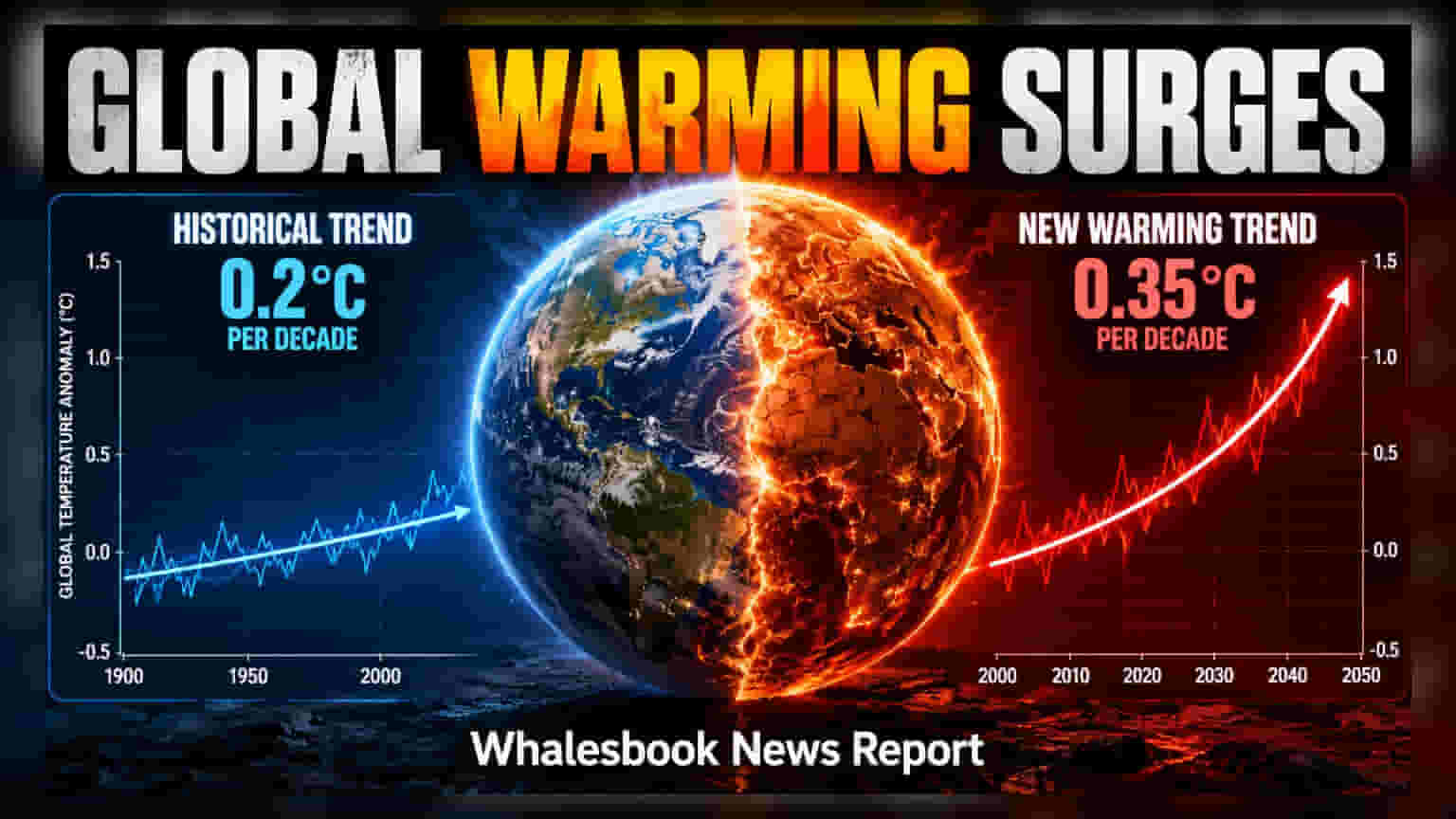
A new study by the Potsdam Institute confirms global temperatures are rising at 0.35°C per decade, double the previous rate. This acceleration raises risks for climate-related policies and global economic planning.
A new scientific analysis conducted by the Potsdam Institute for Climate Impact Research has identified a significant shift in global warming trends. The study indicates that the rate of temperature rise has accelerated since 2015, moving to approximately 0.35°C per decade. This new figure is notably higher than the long-term trend of just under 0.2°C per decade recorded between 1970 and 2015.
Impact on Economic and Climate Thresholds
Researchers highlighted that this increased pace could affect the timeline for reaching critical climate benchmarks, specifically the 1.5°C threshold set by the Paris Agreement. If this accelerated rate continues, experts suggest there is a risk of surpassing these climate limits before 2030. For global investors and policy makers, this development emphasizes the potential for increased pressure on environmental regulations and energy transition targets in the coming years.
Methodology and Data Reliability
The study reached its conclusions by analyzing five major global temperature datasets, including those provided by NASA, NOAA, and Berkeley Earth. To ensure accuracy, the researchers adjusted the data to remove the impact of natural climate drivers such as volcanic activity, solar cycles, and El Nino events. By filtering out these external influences, the study claims a 98% statistical certainty that the acceleration is a result of long-term climate trends rather than temporary fluctuations.
Investor Monitorables
While this study focuses on climate data, the findings may have long-term implications for sectors sensitive to environmental policy, including energy, agriculture, and insurance. Investors often track climate-related regulatory shifts as they can directly impact capital spending on green energy projects, carbon tax structures, and resource management strategies. As global focus remains on reducing carbon dioxide emissions from fossil fuels, the ability of companies to adapt to stricter climate frameworks will be a key factor in assessing long-term business sustainability and operational risk.