

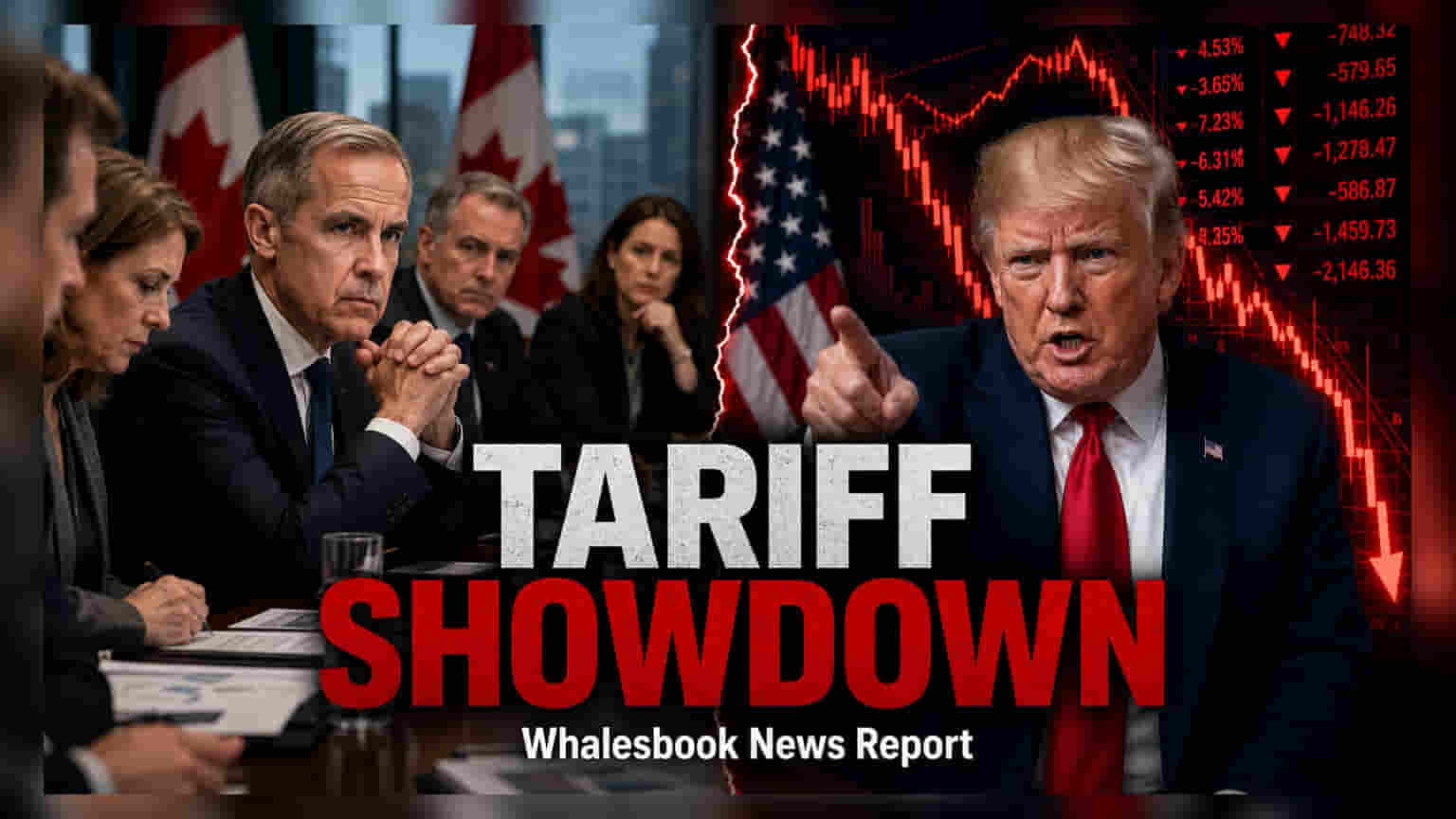
Canada is accelerating trade talks with the US ahead of an August 19 deadline for potential 50% tariffs on various goods. Prime Minister Mark Carney has signaled that Ottawa is prepared to retaliate if a deal is not reached, with nearly CAD 28 billion in exports potentially affected.
Detailed Coverage
Canada is actively engaging in high-stakes trade negotiations with the United States as a mid-August deadline looms. Prime Minister Mark Carney has stated that the Canadian government is preparing a range of responses, including potential retaliatory measures, should the US follow through on its threat to impose a 50% tariff on a wide array of Canadian exports.
While the threat of tariffs has raised concerns among business leaders, the potential impact remains focused on specific sectors. According to recent analysis, goods such as honey, liquor, and dairy products are among those currently targeted by the proposed measures. Importantly, Canada's energy exports and critical minerals remain exempt from this specific tariff threat, providing some stability to those primary industries. Estimates suggest that approximately CAD 28 billion in annual Canadian exports could be exposed to these duties if negotiations fail to produce a favorable outcome by August 19.
Strategic Response and Economic Impact
The Canadian government has adopted a unified approach, with Prime Minister Carney meeting with provincial and territorial leaders to coordinate a response. While the administration is focusing on reaching a diplomatic resolution, officials have emphasized that all options remain on the table to protect Canadian economic interests. The government is also looking at long-term diversification strategies to reduce reliance on single-market trade, aiming to strengthen partnerships with other nations regardless of the immediate outcome of these talks.
For investors and businesses, the uncertainty surrounding this trade dispute represents a significant variable. Trade tensions of this nature often lead to fluctuating business confidence and can affect the valuation of companies with heavy exposure to cross-border trade. The market impact may be particularly relevant for firms in the food, beverage, and manufacturing sectors that rely on access to US consumers.
Looking ahead, the most critical monitorable for the market will be the progress of negotiations as the August 19 deadline approaches. Investors should track official statements from the Canadian federal government and any updates regarding the scope of the tariff threat. Any last-minute breakthrough or escalation in the rhetoric between Ottawa and Washington will be the primary driver for sentiment in the affected export-oriented sectors.