 Whalesbook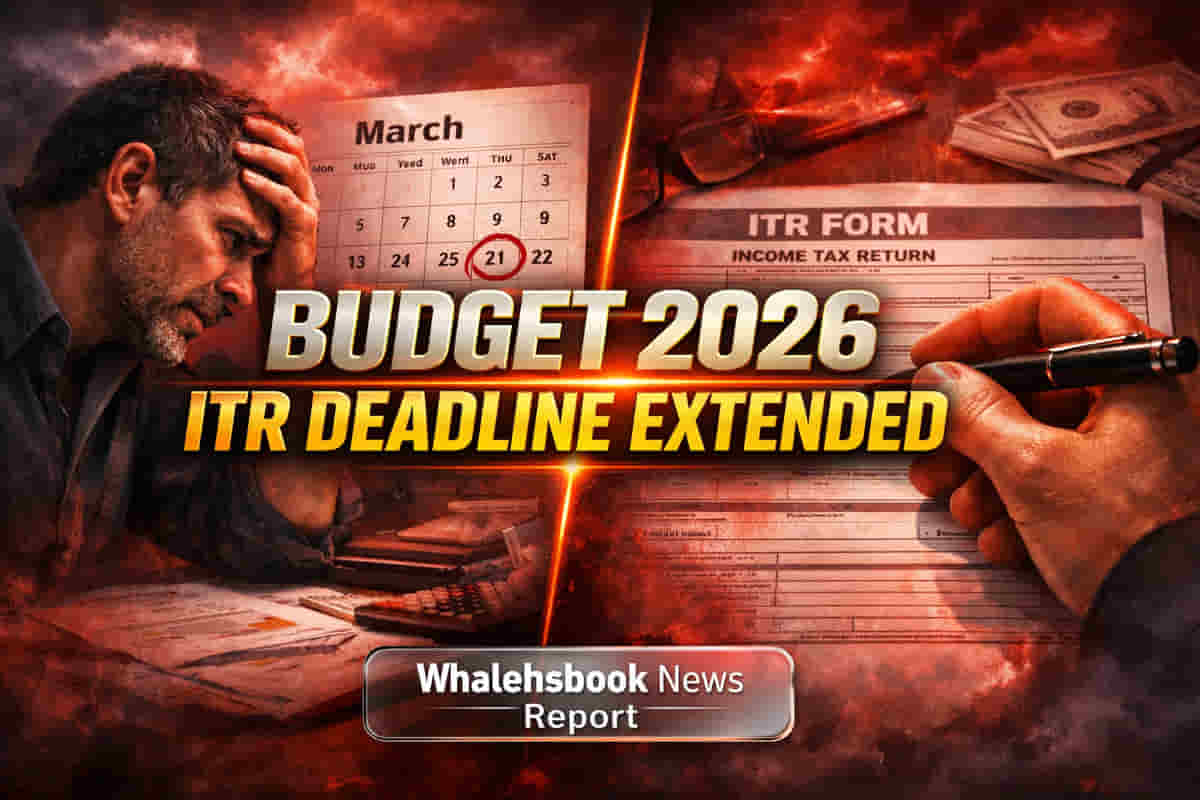
THE SEAMLESS LINK
This extended compliance window is a direct response to the challenges taxpayers face in adhering to strict deadlines, aiming to foster a more facilitative and trust-based tax system. By providing additional time, the government seeks to mitigate inadvertent non-compliance and reduce the incidence of litigation, encouraging more accurate self-reporting.
Enhanced Taxpayer Compliance Window
Budget 2026 introduces a significant relief measure by pushing the deadline for revising Income Tax Returns (ITR) from December 31 to March 31 of the subsequent fiscal year. This adjustment effectively grants taxpayers a full 12 months from the end of the tax year to rectify any omissions or incorrect statements in their original filings, an increase from the prior nine-month allowance. This extension is part of a broader initiative to make tax administration simpler and more taxpayer-friendly. While the flexibility is expanded, a nominal fee will be levied for revisions filed beyond the initial nine-month period, signaling a minor cost for the added compliance time. This policy aims to reduce anxiety for individual taxpayers, including salaried employees, freelancers, and small business owners, offering them a fairer opportunity to ensure their tax filings are accurate.
The Mechanics and Limitations of Revision
A revised return serves as the official mechanism to correct mistakes identified after the initial filing. Crucially, once submitted, the revised return fully replaces the original document and is considered the definitive tax submission. Taxpayers can submit these corrected returns anytime before the conclusion of the relevant Assessment Year or before the tax assessment process is finalized by authorities, whichever occurs first. However, this extended flexibility has a critical limitation: a revised return cannot be filed once an assessing officer has completed the assessment under Section 143(3) of the Income-tax Act. Section 143(3) mandates a detailed scrutiny by tax officers to confirm the correctness and genuineness of claims, deductions, and tax computations, making timely action on revisions paramount before this assessment stage is reached. The Income Tax Act, under Section 139(5), governs this process, emphasizing that revised returns are intended for unintentional errors rather than deliberate misreporting.
Broader Economic and Administrative Implications
The extension of the revision deadline is expected to foster voluntary compliance and reduce the burden on taxpayers who may miss earlier deadlines due to genuine reasons such as delayed information or confusion around tax rules. Experts suggest this move encourages a more trust-based relationship between taxpayers and revenue authorities. By providing this extended window, the government aims to decrease instances of inadvertent non-compliance and minimize tax litigation. This policy aligns with the government's objective of promoting a more humane and efficient tax system. The shift acknowledges that adherence to strict timelines can be challenging, especially when dealing with complex financial information or global tax practices, which the extended deadline is intended to better accommodate.