 Whalesbook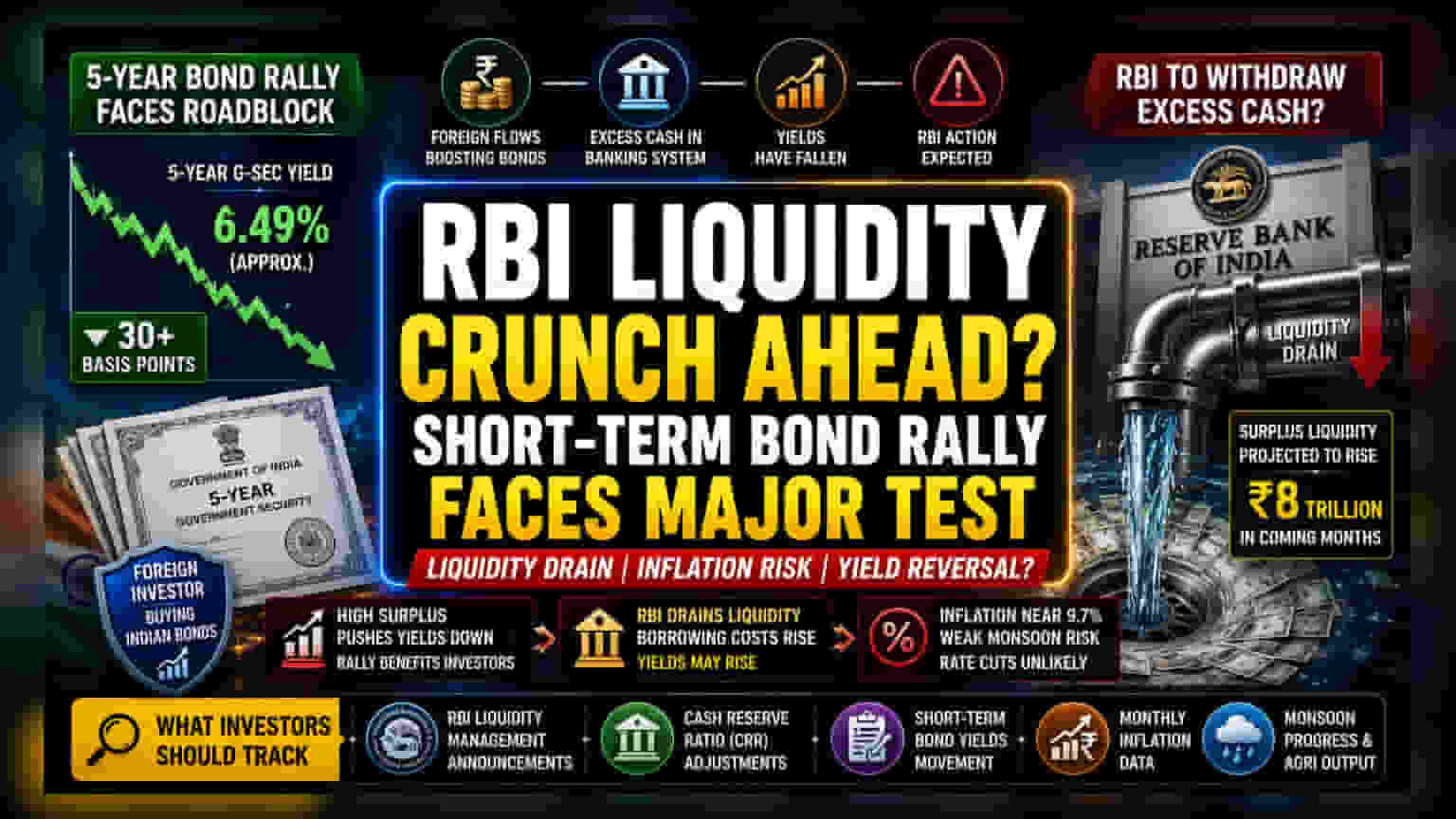
A recent rally in India’s short-term bonds is showing signs of fatigue. Analysts expect the Reserve Bank of India to pull back excess cash from the banking system to manage liquidity. This potential move could cap the gains in short-end bond yields, as the central bank balances foreign inflows with the need to control inflation.
What Happened
The recent strong rally in short-term Indian bonds, especially five-year notes, faces a potential roadblock. Market expectations are shifting as analysts predict the Reserve Bank of India (RBI) will soon take steps to withdraw excess cash from the banking system. While foreign investors have been buying local bonds—helping yields on five-year notes drop by over 30 basis points to approximately 6.49%—the central bank is expected to prioritize managing this surplus liquidity to keep the financial system stable.
Why This Matters For Investors
In the banking system, when there is too much surplus cash, it typically pushes bond yields down. Investors have been enjoying the benefits of this rally recently. However, if the RBI decides to absorb this extra cash, it will likely increase the borrowing costs for banks. This, in turn, can stop or reverse the fall in bond yields. For bondholders, this means the recent price gains may be harder to sustain if the central bank actively drains liquidity from the system.
The Liquidity Puzzle
The current surplus in the banking system is projected to rise significantly, with estimates pointing toward ₹8 trillion in the coming months. This surplus is largely driven by foreign capital flowing into India, as the government has introduced measures to make local bonds more attractive to global investors. When banks receive these foreign dollars and convert them into rupees, it automatically adds cash to the system. The RBI must manage this to ensure the excess money does not fuel unwanted price increases or volatility in the financial markets.
Inflation and External Risks
The primary risk for the bond market is the combination of persistent inflation and potential policy action. With recent data showing wholesale prices increasing by nearly 9.7% year-on-year, the central bank remains under pressure to keep the economy from overheating. Additionally, the monsoon season is a key variable to watch. A weak monsoon could potentially hurt agricultural output and push food prices higher, which would force the RBI to maintain or even raise interest rates later in the year, rather than easing them.
What Investors Should Track
Investors should keep a close eye on upcoming RBI announcements regarding liquidity management. Key indicators include any potential adjustments to the Cash Reserve Ratio, which dictates how much money banks must hold in reserve, or the use of other tools designed to soak up excess cash. Furthermore, monitor the movement in short-term bond yields and updated monthly inflation figures. If liquidity remains high, the rally might persist for a while, but if the RBI acts decisively to drain cash, the market environment for short-end debt is likely to become more restrictive.

