

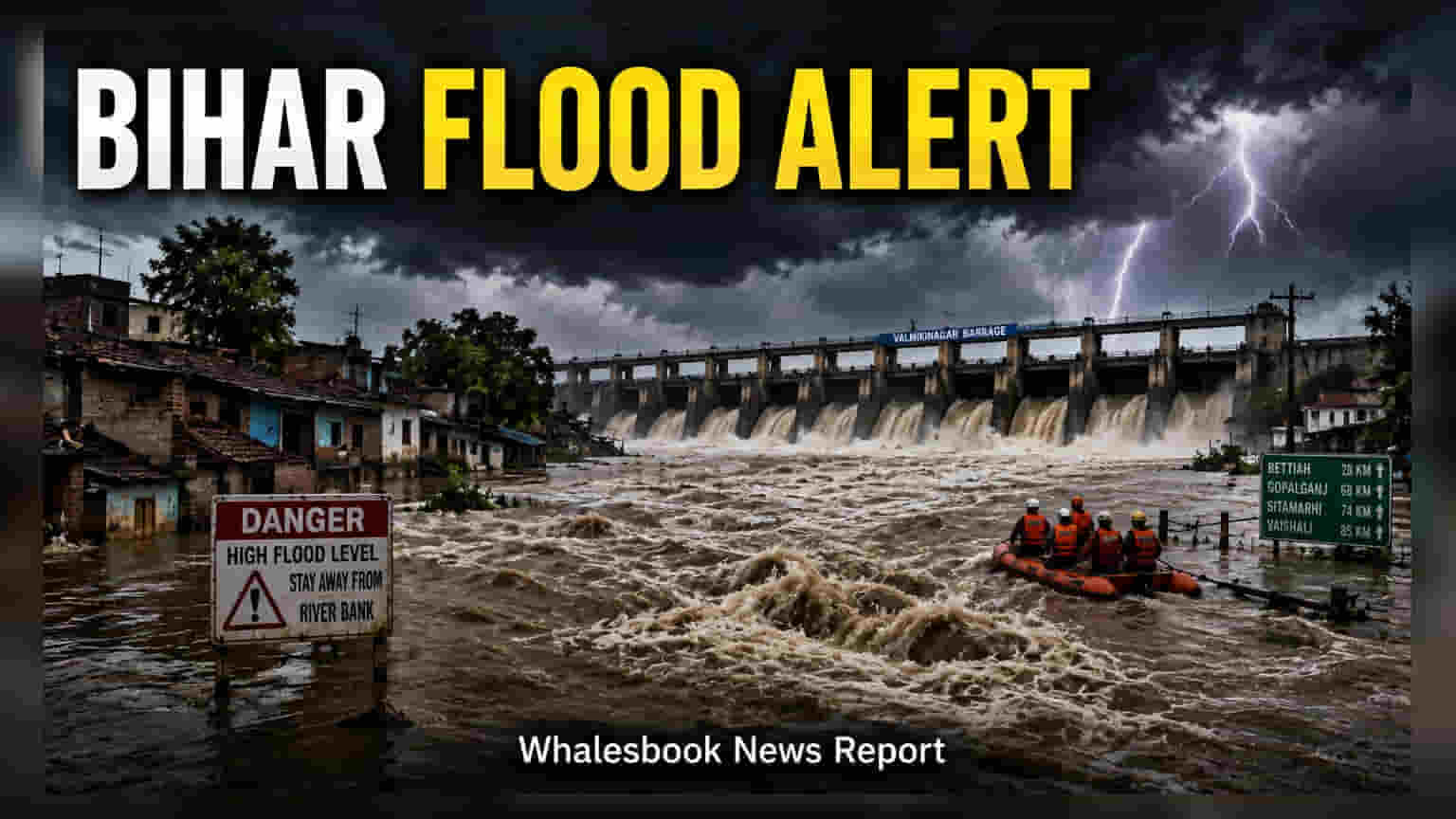
Heavy flooding from Nepal has forced the opening of all 36 gates at the Valmikinagar Barrage, placing nine districts in Bihar and seven in Uttar Pradesh on high alert. This regional emergency raises immediate concerns for local logistics, agricultural production, and infrastructure stability in the affected border zones.
Authorities in North India have escalated emergency measures as severe flooding in Nepal has caused a dangerous surge in water levels along the Gandak River. To manage the pressure, officials have opened all 36 gates of the Valmikinagar Barrage in West Champaran, allowing a massive volume of water to flow downstream. This action has prompted a high-alert status for nine districts in Bihar and seven in Uttar Pradesh, as local administrations rush to manage the incoming flood wave.
Regional Infrastructure and Logistics Impact
The immediate concern for the region is the potential for damage to critical infrastructure, including embankments, bridges, and local road networks. With the National Disaster Response Force (NDRF) deploying 20 teams across the two states, the primary focus is on evacuation and preventing loss of life. For investors and businesses with operations in these border regions, the situation creates operational uncertainty. Local logistics, supply chain movement, and the transport of essential goods are likely to face disruptions as authorities prioritize flood management over normal traffic and trade routes.
Economic Monitoring for Affected Districts
Agriculture remains the sector most exposed to these events. The heavy rainfall and subsequent flooding threaten crop fields in vulnerable zones, potentially impacting regional agricultural output in the current season. While the long-term impact on soil and yield will depend on how quickly water recedes, the immediate risk is the loss of standing crops and damage to farm infrastructure. Beyond agriculture, businesses involved in construction or heavy machinery operations in these districts may face project delays due to waterlogging and restricted site access.
Investors monitoring this situation should track the speed of water recession and the subsequent damage assessment reports from state governments. The financial impact, while currently localized, will largely depend on the duration of the flood alerts and the cost of repair for damaged public infrastructure. Market participants may also watch for government announcements regarding relief packages or infrastructure restoration funds, which often follow such natural disasters in these high-risk river basins.