

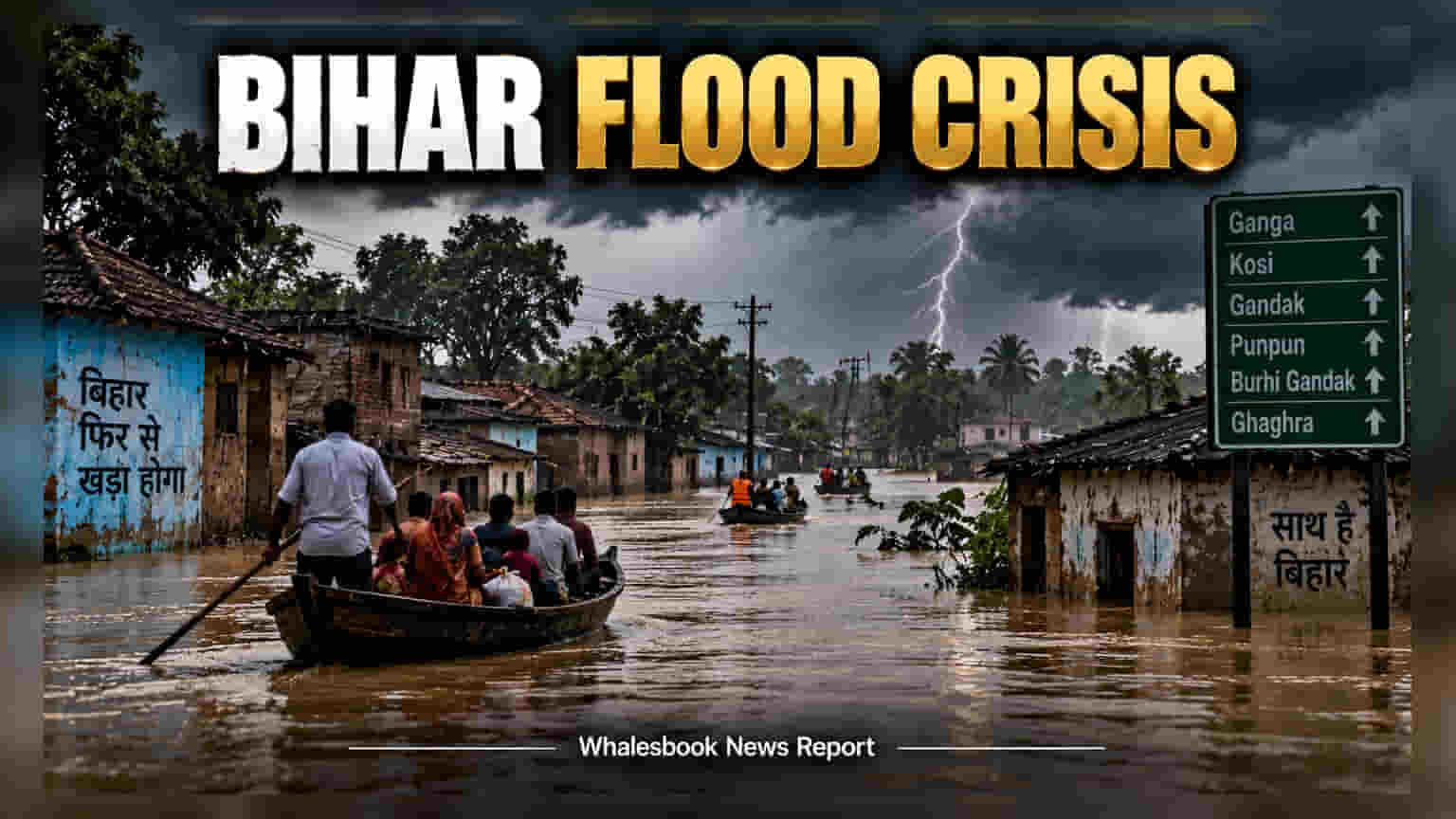
Severe flooding across 13 districts in Bihar has disrupted essential infrastructure and logistics as major rivers rise above danger levels. For the regional economy, the situation creates supply chain challenges and risks to agricultural output, with persistent monsoon alerts expected to complicate recovery efforts in the coming days.
The flood situation in Bihar has intensified, impacting approximately 27 lakh people across 13 districts as of September 8, 2026. Major river systems, including the Ganga, Gandak, Kosi, Punpun, Burhi Gandak, and Ghaghra, have surged past their danger marks. This has led to widespread inundation of low-lying areas and the disruption of critical transport infrastructure, complicating the movement of goods and essential supplies across the region.
From a regional economic perspective, the primary concern is the physical damage to infrastructure and the potential interruption of supply chains. With roads submerged and transport links severed in several parts, local businesses and distributors face immediate hurdles in maintaining distribution networks. The agricultural sector is also under strain, as standing crops in affected areas are at risk of damage. Such events often lead to temporary localized inflation in perishables and essential commodities due to the difficulty in transporting goods to markets.
Meteorological Outlook and Risks
The India Meteorological Department has issued yellow alerts for thunderstorms and heavy rainfall in multiple districts. These conditions are forecasted to continue through September 10, 2026, creating a high risk of further embankment breaches and secondary flash flooding. The persistence of heavy precipitation increases the vulnerability of residential and rural infrastructure, which may necessitate further emergency relief operations and resource allocation by state authorities.
While the monsoon is showing signs of weakening in other parts of the country, its focus on eastern and northeastern India is testing the region's readiness. Beyond the immediate humanitarian crisis, there is a risk of waterborne health issues and sanitation challenges which can further impact labor productivity and local economic activity in the immediate aftermath of the flooding.
Investors and observers of the regional economy should monitor the pace of infrastructure restoration and the subsequent impact on agricultural yield estimates. The speed with which state authorities can stabilize transport routes and resume normal logistics will be a key factor in how quickly the local economy recovers. Future updates on the receding water levels and the assessment of damage to rural infrastructure will provide a clearer picture of the lasting financial impact on the affected districts.