

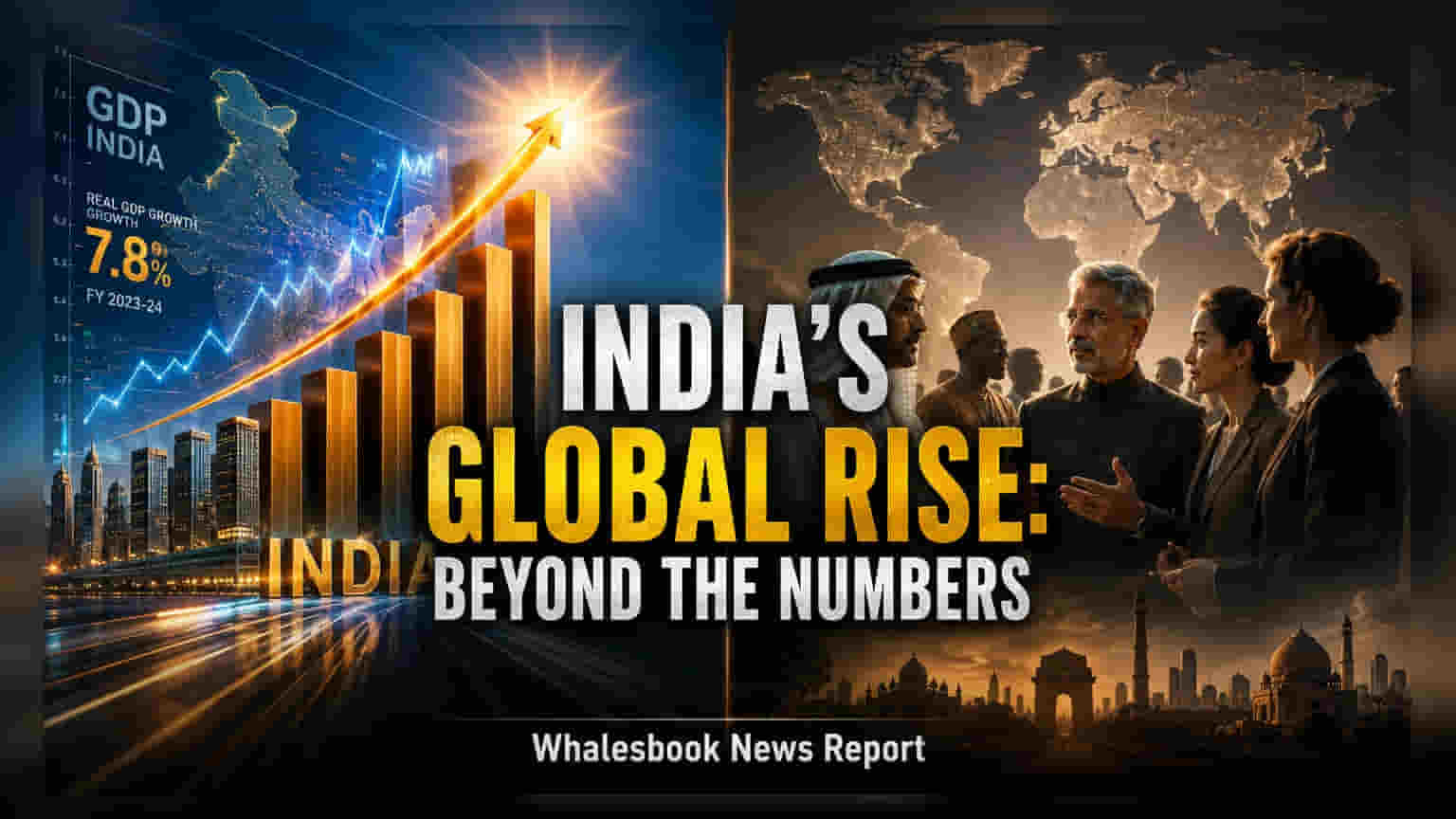
India's rise as a top global economy is being supported by its growing soft power, including cultural influence and digital technology. Experts suggest that while GDP growth is vital, building long-term international trust through education and digital infrastructure is necessary to sustain global leadership.
India is currently one of the fastest-growing major economies globally, gaining significant attention for its contributions to trade, technology, and climate policy. While this economic expansion is critical, international business advisors note that long-term global influence requires more than just GDP growth. True leadership is often measured by a country's soft power, which is the ability to shape global opinion and build trust through culture, education, diplomacy, and innovative development models.
Digital Infrastructure as a Diplomatic Tool
Technology is becoming a core component of India's international standing. Digital Public Infrastructure (DPI) initiatives such as the Aadhaar identity system and the Unified Payments Interface (UPI) are attracting global attention. These systems are being studied by other nations as practical frameworks for improving financial inclusion and public service delivery. With more than 200,000 startups recognized by the Department for Promotion of Industry and Internal Trade (DPIIT), India is increasingly viewed as a provider of scalable technology solutions for emerging markets, which enhances its reputation for innovation.
Diaspora and Educational Ties
India's influence is also strengthened by its global diaspora, which includes over 35 million people. Many members of this community hold leadership roles in global technology, finance, and multinational corporations. These professional networks help create strong institutional and economic ties between India and various host nations. Additionally, academic partnerships and student exchanges are serving as instruments of modern diplomacy, helping to foster goodwill and collaborative research efforts that often span decades.
The Role of Domestic Development
Experts emphasize that global credibility is deeply connected to a country's domestic performance. Improvements in education, social inclusion, women's empowerment, and environmental sustainability directly impact how India is perceived on the world stage. Successfully addressing domestic challenges is considered essential for earning international respect, as it demonstrates the effectiveness of a nation's institutions and governance.
Balancing Economic and Human Factors
The future of India's global leadership likely depends on maintaining a balance between rapid economic expansion and investments in human capital. While economic data such as growth rates and trade balances capture the immediate scale of a country, sustained influence is built on human connections, cultural understanding, and the ability to inspire confidence. Ongoing investments in research, cultural exchange, and democratic values are expected to be the key monitorables for those analyzing India's long-term integration into the global order.