

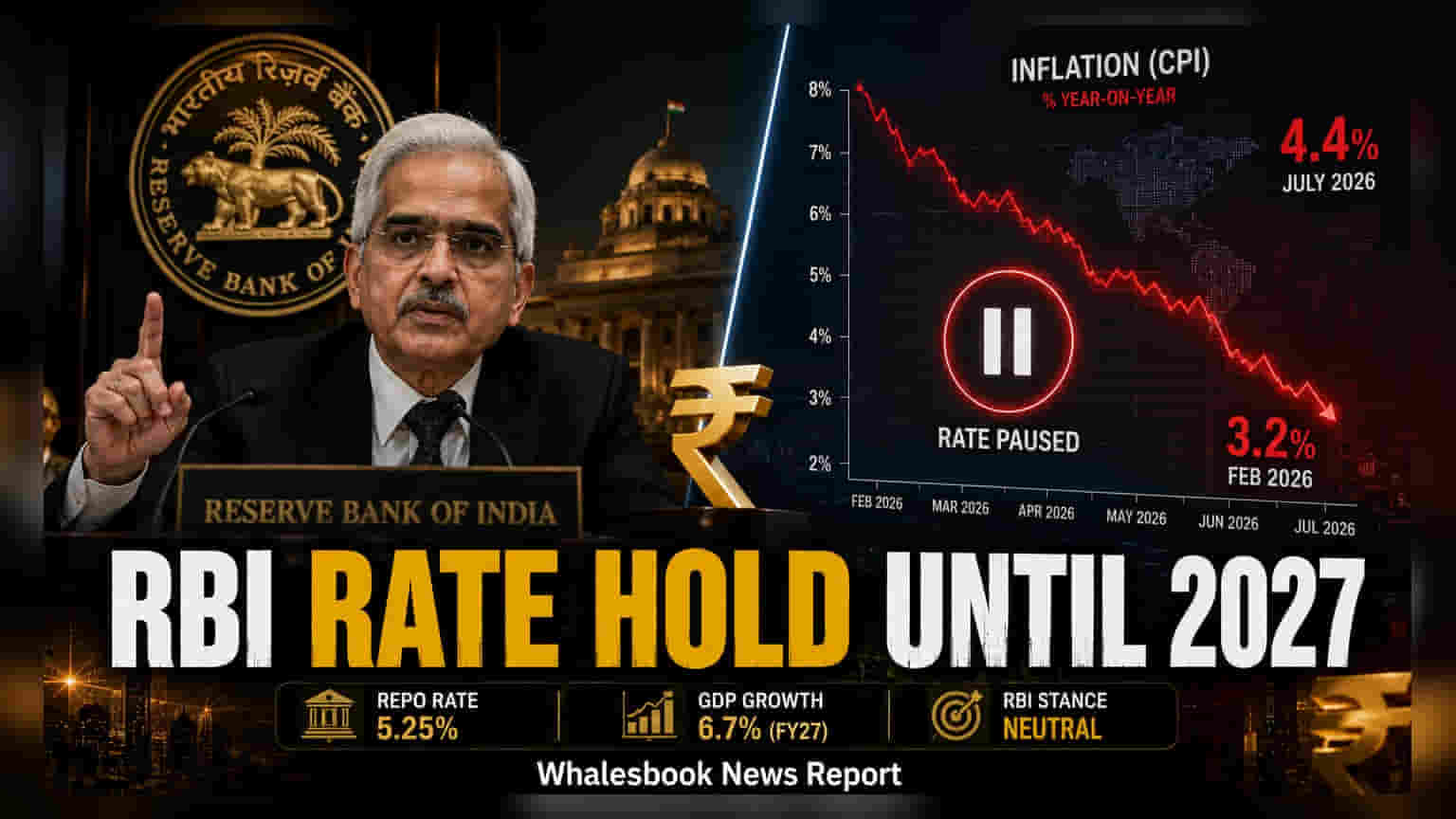
Global brokerage Barclays expects the Reserve Bank of India to keep interest rates steady through 2026. The firm argues that while headline inflation has risen due to temporary supply-side factors, core inflation remains stable, supporting a prolonged pause.
Global brokerage Barclays has forecasted that the Reserve Bank of India (RBI) will likely maintain its benchmark interest rates at current levels for the remainder of 2026. This outlook suggests that potential rate hikes, if necessary, may not commence until early 2027. The brokerage's assessment comes as the central bank balances managing inflation with supporting economic growth.
The report indicates that the recent rise in headline Consumer Price Index (CPI) inflation, which increased to 4.4% in July from 3.2% in February, is largely driven by specific supply-side factors. According to the analysis, approximately 74% of this inflation jump is attributed to volatility in food, fuel, and jewellery prices rather than a broad-based surge in demand. Barclays highlighted that most items in the CPI basket continue to show inflation below the 4% mark, suggesting that price pressures have not yet become deep-rooted across the economy.
Current Economic Context
The RBI, in its most recent policy review, decided to maintain the repo rate at 5.25% and retained a 'neutral' policy stance. This data-dependent approach reflects the central bank’s ongoing focus on inflation management while nurturing the domestic economy. Recent official projections have set the GDP growth forecast for the fiscal year 2027 at 6.7%, while the CPI inflation forecast has been adjusted to 5.0%. This stable growth-inflation balance provides the RBI with the flexibility to hold rates steady, provided that inflation expectations remain anchored.
For investors, the prospect of interest rate stability is a key monitorable. Sectors that are highly sensitive to borrowing costs, such as banking, real estate, and automobiles, often view a stable interest rate environment as a supportive factor for business planning and consumer demand. When interest rates are steady, companies can manage their capital spending and debt servicing more predictably.
Monitoring Risks
While the baseline expectation is for a pause in rate hikes, the economic outlook is not without risks. Analysts and the RBI itself continue to track external factors that could alter this trajectory. Geopolitical tensions, particularly in West Asia, and their potential impact on global oil prices and supply chains remain primary concerns. Additionally, fluctuations in food prices due to unpredictable monsoon outcomes or other supply-side shocks could put renewed pressure on headline inflation figures.
If these risks cause inflation to broaden beyond the current temporary drivers, the RBI may be forced to reconsider its stance. Consequently, the central bank’s future commentary in its upcoming Monetary Policy Committee (MPC) meetings will be critical. Investors should track official RBI updates and data releases regarding core inflation trends, as these will serve as the primary indicators for any potential shift in monetary policy.