 Whalesbook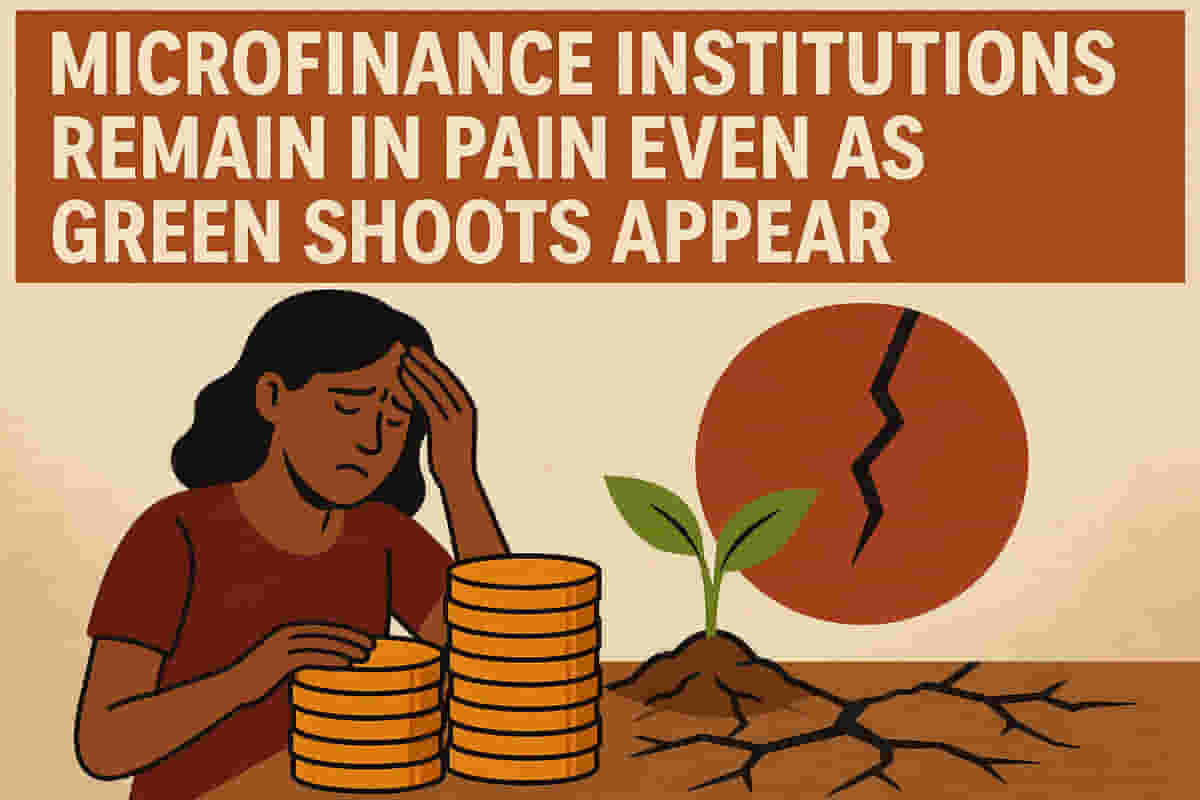
The Core Issue
India's vital microfinance sector is navigating a period of significant contraction, grappling with a continuous shrinking of its loan book and diminished liquidity support from lenders. This challenging scenario has led to the sixth consecutive quarterly decline in the sector's overall portfolio.
According to data released by the Microfinance Institutions Network (MFIN), the total loan book stood at ₹1.31 trillion as of September 2025. This represents a notable decrease from ₹1.6 trillion recorded in March 2024. The contraction has forced an estimated half a million customers out of the ambit of these crucial financial service providers.
Liquidity Squeeze
The tightening of liquidity support from banks and other financial institutions poses a substantial hurdle for microfinance players. Reduced access to funds directly hampers their operational capacity and their ability to disburse new loans, a core function for supporting small businesses and low-income households.
This drying up of credit lines creates a domino effect, limiting the reach and scale of microfinance operations across the country. Without adequate liquidity, MFIs struggle to meet existing commitments and expand their services to new borrowers.
Sector-Wide Contagion
The pressures are not confined solely to non-banking financial companies (NBFCs) focused on microfinance. The situation is equally challenging at the sector level, affecting larger entities like banks and Small Finance Banks (SFBs) that are significant participants in microcredit lending.
This widespread impact suggests underlying systemic issues within the microfinance ecosystem. The interconnectedness of these financial entities means that stress in one segment can quickly translate to others, demanding careful monitoring by regulators and market participants.
The Unmet Need
Microfinance institutions play a pivotal role in fostering financial inclusion, providing essential credit access to millions of individuals and micro-entrepreneurs who are often excluded from traditional banking services. Their services are critical for poverty alleviation and economic empowerment at the grassroots level.
The current contraction raises concerns about whether the sector can continue to meet this demand. A sustained decline could leave a significant portion of the population underserved, potentially hindering economic progress and increasing financial vulnerability.
Impact
The ongoing decline in the microfinance sector's loan book and liquidity could lead to reduced credit availability for vulnerable populations. This may slow down micro-enterprise growth and impact household consumption in lower-income segments. For financial institutions involved in microfinance, this could mean tighter margins and increased risk management focus.
The challenges highlight the need for strategic interventions to ensure the sustainability of the microfinance model and its continued contribution to India's development goals. The potential for increased non-performing assets, as hinted at by the partial mention of "portfolio-at-risk (31-90 days past," also warrants attention.
Impact Rating: 7/10
Difficult Terms Explained
- Loan Book: The total sum of money lent out by a financial institution that is still outstanding and yet to be repaid by borrowers.
- Liquidity Support: Financial assistance, typically in the form of loans or credit lines, provided by lenders to ensure a financial institution has sufficient cash to meet its short-term obligations.
- Portfolio-at-Risk (PAR): A metric used to measure the proportion of a lender's loan portfolio that is experiencing repayment difficulties, often categorized by days past due (e.g., 31-90 days).